
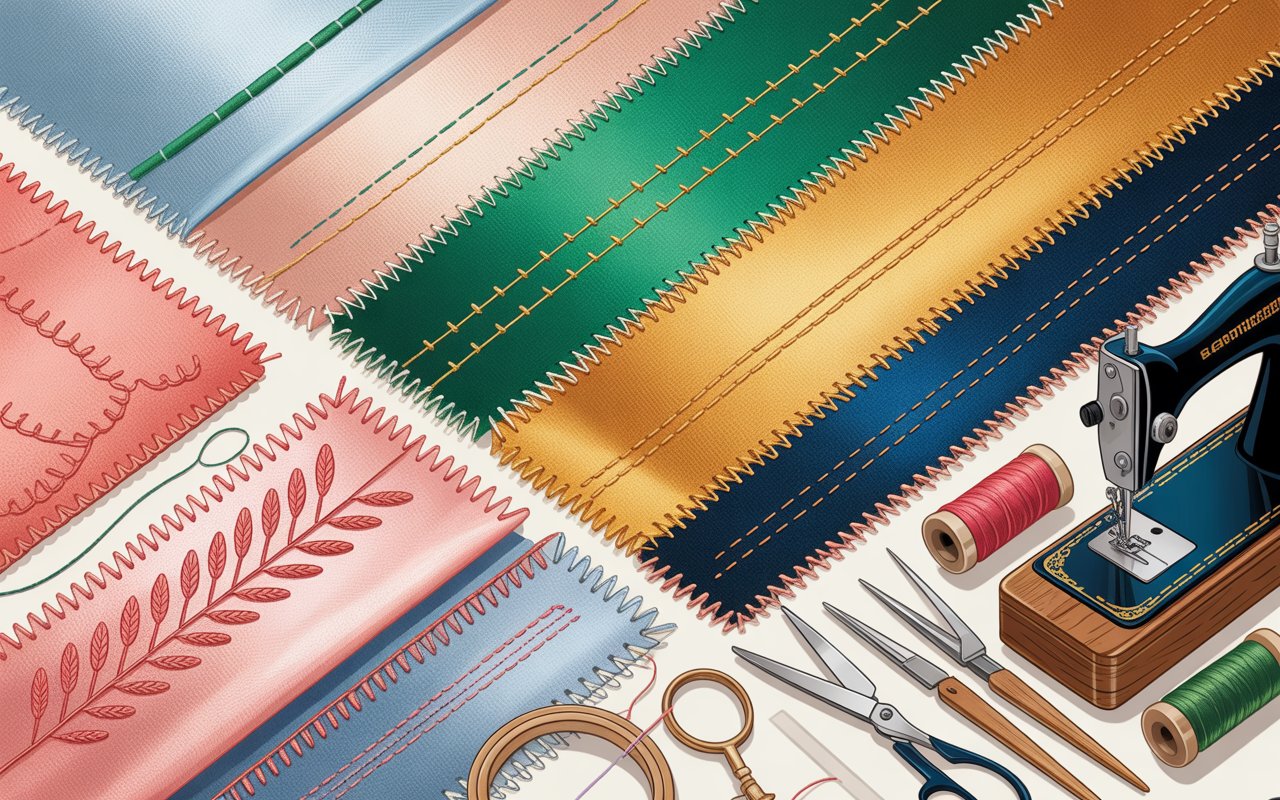
Nahttypen—the various types of seams and stitches—play a crucial role in shaping, reinforcing, and beautifying fabric. Whether you are a beginner just learning to sew, a hobbyist working on creative projects, or a professional designer in the fashion or industrial sector, understanding it can elevate your work from ordinary to extraordinary. Each seam and stitch type has its unique purpose, affecting durability, comfort, flexibility, and aesthetics. Mastering it ensures that every project you undertake is functional, visually appealing, and long-lasting.
In this comprehensive guide, we will explore everything you need to know about it: its definition, types, practical applications, creative uses, industrial importance, and modern innovations. By the end, you will have a clear understanding of how to choose the perfect seam or stitch for any fabric or project.
Understanding the Concept of Nahttypen
The term refers to the different ways fabrics are joined together through stitching. In sewing, a seam is not just a functional connection between pieces of fabric—it’s a key element that determines the overall performance and appearance of the garment. The right choice can provide strength, flexibility, comfort, and visual appeal, while the wrong choice may lead to tearing, discomfort, or a poorly finished product.
Seams and stitches are influenced by several factors: fabric type, garment structure, intended use, and aesthetic goals. For instance, a lightweight silk blouse may require a delicate seam such as a French seam, whereas a pair of denim jeans will benefit from the strength of a flat-felled seam. In addition, modern sewing projects increasingly blend traditional techniques with innovative materials and machine technology, making nahttypen more versatile than ever.
Why Nahttypen Matter in Sewing and Textile Work
Choosing the right one is essential for several reasons:
- Durability: A properly selected seam ensures that the garment can withstand stress, movement, and frequent washing. For example, workwear, activewear, or outdoor clothing often require reinforced seams like flat-felled or overlock seams to prevent ripping.
- Comfort: Some seams lie flat against the skin, reducing irritation and making garments more comfortable to wear. Lightweight fabrics, such as chiffon or silk, benefit from enclosed seams to prevent raw edges from rubbing.
- Appearance: Nahttypen also contributes to a professional and polished look. Clean, straight, and evenly stitched seams can enhance the overall design and perception of quality. Decorative seams, such as topstitching or piped seams, add style and sophistication.
- Functionality: Certain items are engineered to provide stretch, waterproofing, or specialized protection, making them suitable for technical or industrial applications.
- Efficiency: In mass production or industrial sewing, the right seam type saves time and ensures consistent results. Overlock seams, for instance, combine trimming, stitching, and finishing in a single step.
By mastering it, sewers and designers can make informed decisions that improve both the functionality and visual impact of their projects.
Common Types of Nahttypen
It can be categorized into functional, decorative, heavy-duty, and industrial seams. Each type has its own strengths and ideal applications.
Basic Functional Seams
- Straight Stitch Seam (Geradstichnaht)
The straight stitch is the simplest and most widely used nahttypen. It consists of a single line of straight stitches, perfect for woven, non-stretch fabrics.
Advantages:
- Simple to sew
- Strong and precise
- Works well with cotton, linen, and denim
Typical Uses: Shirts, pants, pillowcases, and table linens
- Simple to sew
- Zigzag Seam (Zickzacknaht)
This offers flexibility, making it ideal for stretch fabrics. The zigzag pattern prevents fraying and adds elasticity to seams.
Advantages:
- Stretchable and versatile
- Can be decorative
Typical Uses: Activewear, leggings, underwear, and swimwear
- Stretchable and versatile
- Overlock Seam
Overlock seams are often used in factory-made garments. They trim, stitch, and finish fabric edges simultaneously.
Advantages:
- Provides a clean finish
- Stretchy and durable
- Saves sewing time
Typical Uses: T-shirts, hoodies, knitwear
- Provides a clean finish
Seams for Delicate and Decorative Work
- French Seam
A refined nahttypen, French seams enclose raw fabric edges completely, offering a clean interior finish.
Advantages:
- Elegant and professional
- Protects delicate fabrics
Typical Uses: Lingerie, silk blouses, chiffon dresses
- Elegant and professional
- Blind Stitch Seam
Invisible from the outside, this seam is ideal for hems and elegant garments.
Advantages:
- Nearly invisible
- Professional appearance
Typical Uses: Suits, dresses, skirts
- Nearly invisible
- Decorative Seams (Topstitch, Piped, Flatlock)
These combine aesthetic appeal with functionality. Piped seams incorporate a cord along the seam, while topstitching adds visual interest and reinforcement.
Typical Uses: Cushions, formalwear, modern fashion designs
Heavy-Duty and Industrial Seams of Nahttypen
- Flat-Felled Seam (Kappnaht)
Among the strongest, flat-felled seams lie flat and are double-stitched, making them ideal for heavy-duty garments.
Advantages:
- Extremely durable
- Neat on both sides
Typical Uses: Denim jeans, jackets, uniforms, outdoor clothing
- Extremely durable
- Lapped Seam
This seam overlaps two layers of fabric for added strength. It’s often used in leather goods, upholstery, and industrial textiles.
Typical Uses: Leather items, upholstery, technical textiles - Welded and Sealed Seams
Advanced nahttypen that do not rely on thread, using heat or ultrasonic energy to bond fabrics. Sealed seams protect against water, chemicals, or contaminants.
Typical Uses: Outdoor gear, protective clothing, medical textiles
Modern and Stretch Seams
- Flatlock Seam
Ideal for activewear, flatlock seams lie flat against the skin, preventing irritation.
Advantages:
- Comfortable and flexible
- Visually decorative
Typical Uses: Sportswear, yoga clothing, swimwear
- Comfortable and flexible
Hand-Stitching vs. Machine-Stitching
Understanding requires knowing when to use hand-stitching or machine-stitching:
- Hand-Stitching: Offers control, precision, and a personal touch. Ideal for delicate fabrics and intricate designs.
- Machine-Stitching: Fast, consistent, and strong, suitable for large projects or heavy fabrics.
Choosing the right method enhances both the strength and appearance of your seams.
Factors to Consider When Selecting Nahttypen
When selecting a, consider the following:
- Fabric Type: Stretchy fabrics require flexible seams; heavy fabrics need reinforced seams.
- Project Purpose: Functional seams for everyday wear; decorative for style or design.
- Appearance: Visible stitches for decoration; invisible stitches for a clean finish.
- Durability: High-stress garments need stronger seams.
- Thread Type & Stitch Length: Must match fabric weight and seam purpose.
- Testing: Always test on scrap fabric before final sewing.
Creative Uses of Nahttypen
| Creative Use | Description / Benefit | Typical Application |
| Zigzag Stitches | Adds elasticity and stretch | Activewear, leggings, swimwear |
| Decorative Stitches | Enhances hems and seam aesthetics | Garment embellishments, hems, fashion accents |
| Contrasting Thread Colors | Creates visual interest and striking designs | Quilting, patchwork, visible seams |
| Straight Stitches | Provides precision and structure | Quilting, patchwork, basic garment construction |
| Embroidery | Combines decoration with functional stitching | Decorative garments, monograms, creative textile projects |
| Modern Innovations | Smart machines and eco-friendly threads allow experimentation while ensuring durability | Innovative sewing projects, sustainable textiles, advanced fashion designs |
Common Mistakes in Stitching
Even experienced sewers can make mistakes with nahttypen:
- Incorrect thread tension → puckering or breakage
- Wrong stitch for fabric type → reduced durability
- Skipping testing on scrap fabric → errors on final project
- Neglecting seam pressing → uneven or bulky seams
Avoiding these errors ensures professional-quality results.
Tips for Durable and Clean Seams
- Use high-quality thread that matches the fabric type.
- Adjust stitch length: shorter for lightweight, longer for heavy fabrics.
- Press seams to maintain shape and reduce bulk.
- Clean the sewing machine regularly to prevent lint buildup.
- Wash garments on gentle cycles to protect seams.
Modern Innovations in Nahttypen
Recent developments in sewing technology and materials have revolutionized it:
- Smart sewing machines: automatic tension, precision stitching
- Innovative threads: stretchable, water-resistant, or eco-friendly
- Technical fabrics: waterproof, chemical-resistant, and high-stress durable
- These innovations allow designers and hobbyists to combine durability, aesthetics, and creativity in new ways.
Conclusion
Mastering it is a cornerstone of sewing, garment construction, and textile design. From basic straight stitches to advanced industrial and decorative seams, every stitch contributes to the strength, comfort, and beauty of your project. By understanding the function and purpose of each nahttypen, sewers can make informed choices, avoid mistakes, and create professional-quality garments and textiles.
Whether hand-stitching delicate fabrics, machine-stitching durable denim, or experimenting with decorative seams, embracing it empowers you to combine functionality and creativity. Explore, practice, and innovate with your stitches, and every project will reflect your skill, care, and artistic vision.
Mastering it isn’t just about sewing—it’s about transforming fabric into something extraordinary, one stitch at a time.
 Sahil
Sahil