Interior Decoration Advice Mintpaldecor: Colour, Light and Texture Done Right
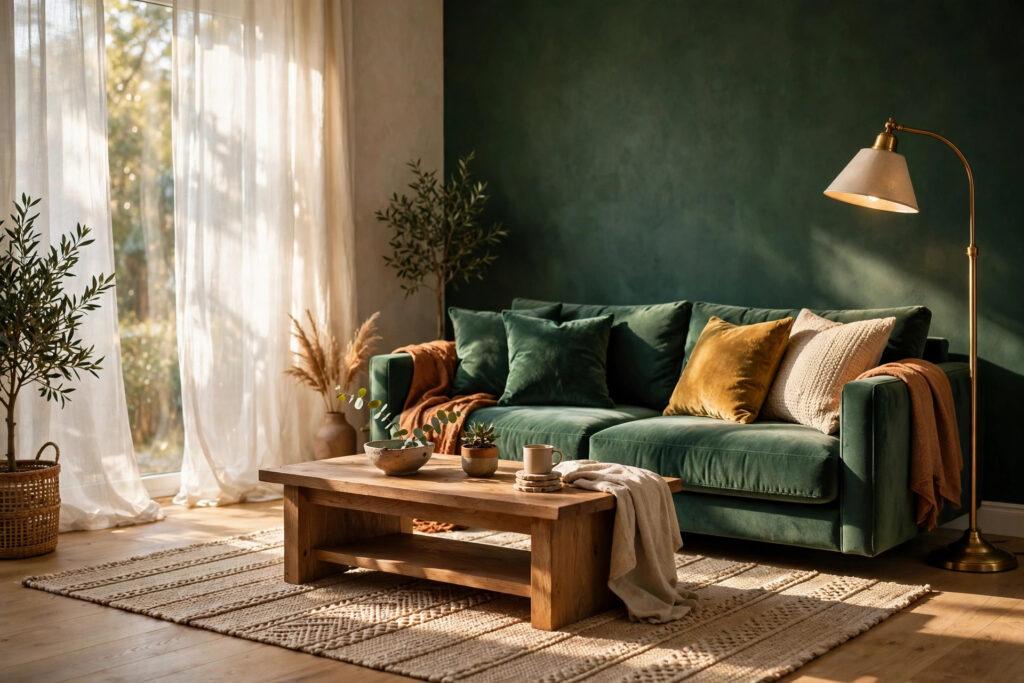
Colour, light and texture are the three tools that decide how a room feels, and they work together rather than alone. A colour that looks calm in bright daylight can feel heavy in a dark corner; a rough texture can warm a cool colour; a good light can rescue a plain wall. The best interior decoration advice mintpaldecor treats the three as one decision, tested in the real room before anything is bought. This guide explains how to choose colours that suit your light, layer light through the day, and mix textures so a room feels rich without feeling busy.
Interior Decoration Advice Mintpaldecor: Colour Starts with Light
Before you choose a colour, study the room’s light. Note which way the windows face, when the sun arrives, and how the room looks at night under lamps. North-facing rooms suit warmer colours, because cool colours can feel grey there; south-facing rooms can take cooler tones, because the sun warms them. Test paint properly: paint a large patch on the wall, look at it morning and evening, and live with it for a few days before you buy the full tin. Choose one main colour for the walls, one supporting colour for larger furniture, and one accent for small items. That ratio keeps the room calm and gives you a clear rule when you shop.
Warm, Cool and the Mood of a Room
Warm colours — cream, terracotta, soft gold, warm timber — make a room feel cosy and welcoming, and they suit rooms where people gather. Cool colours — pale blue, soft green, cool grey — make a room feel calm and spacious, and they suit bedrooms and bathrooms. Neither is better; the question is what the room is for. A dining room can take a deeper, warmer tone because it is used in the evening; a study can take a cooler tone because it needs focus. Our guide to simple ideas to refresh every room shows how a single coloured wall can change a room for the price of one tin of paint.
Layering Light Through the Day
A room needs different light at different times, so layer it. Daylight is the first layer: clean windows, sheer curtains and mirrors that bounce light deeper into the room. The second layer is general light for the evening — a ceiling fitting or a floor lamp with a warm bulb. The third layer is task light: a reading lamp, a kitchen worktop light, a desk lamp. The fourth, and most overlooked, is low light for winding down: a small lamp, a candle, a dimmer turned down. For more on choosing fittings, read our complete guide to home decor ideas.
Texture: The Sense You Forget
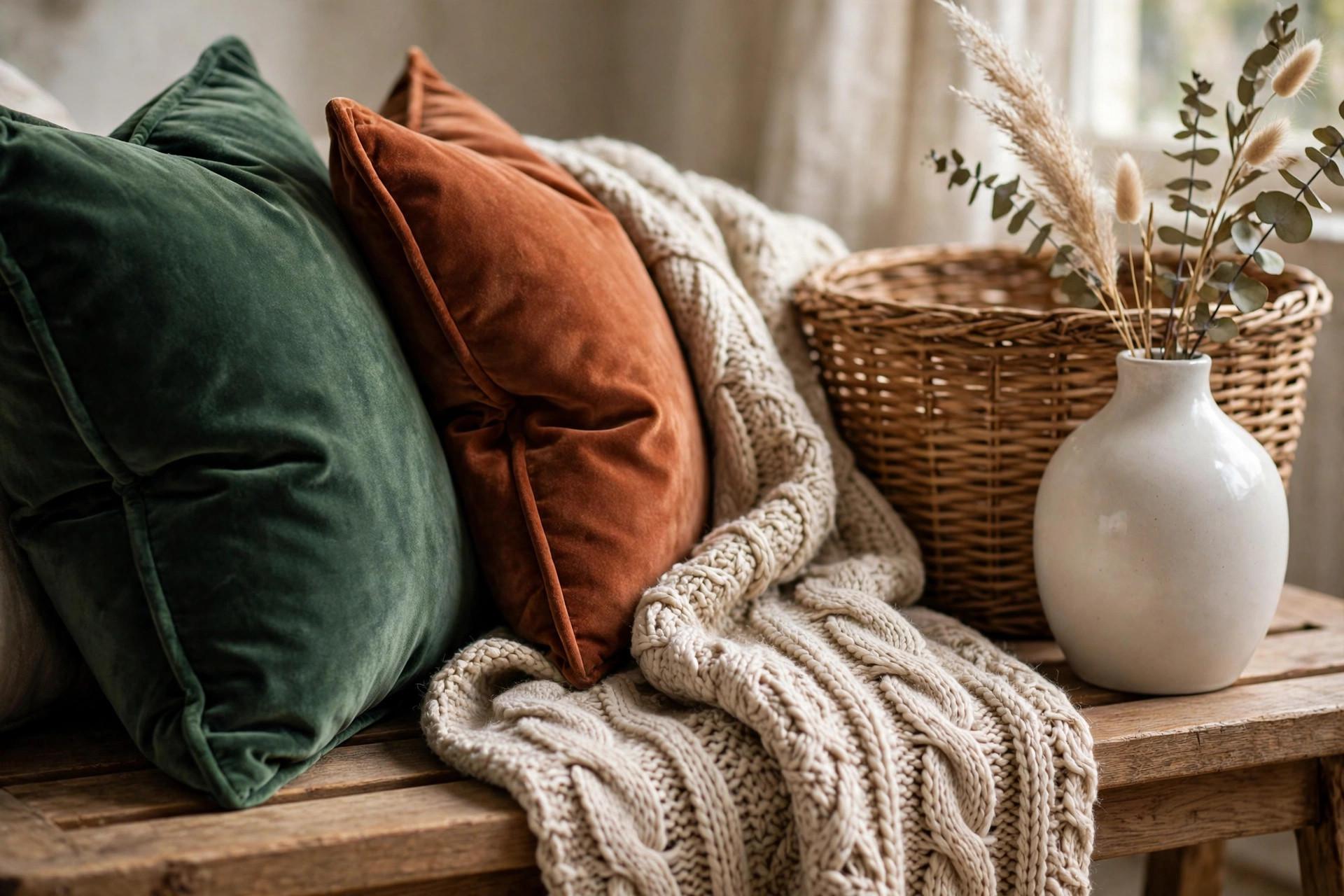
Texture is the sense most people forget when they decorate, yet it is what makes a room feel expensive or cheap. A room of only smooth, shiny surfaces feels cold; a room of only soft surfaces feels shapeless. Mix them: a smooth table with a woven rug, a soft sofa with a firm cushion, a matte wall beside a polished lamp, a rough basket next to a sleek vase. Natural textures — timber, linen, wool, rattan, stone — add warmth and age well, while a single metallic or glass accent adds a little shine. Our guide to home decor ideas for every room has more on mixing textures in small spaces.
Pattern, Scale and the Rule of Three
Pattern works best in small doses and at different scales. One large pattern — a rug or a curtain — can sit beside a small pattern — a cushion or a lampshade — as long as the plain surfaces between them give the eye a rest. If everything is patterned, nothing stands out. The rule of three helps with grouping: three objects of different heights, three cushions in two colours, three frames in a row. Odd numbers feel natural to the eye, while even numbers can feel formal. Scale matters too: a tiny picture on a large wall looks lost, and a huge lamp on a small table looks wrong. For choosing larger pieces at the right scale, read our guide to comparing large furniture chains.
Common Mistakes and Cheap Fixes
The most common decorating mistake is choosing everything at once from a photograph, without testing it in your own light. The second is buying a whole matching set, which makes a room look like a showroom rather than a home. The third is ignoring scale — furniture too big for the room, art hung too high, rugs too small. All three have cheap fixes. Live with a colour sample before you buy, mix old and new pieces, and measure before you shop. Fix the function first, then decorate. Our room-by-room repair and upkeep guide helps you spot the fixes that should come before the decorating.
Putting It Together: A Simple Method
Work in this order and the room will come together. First, clear the room and fix anything broken. Second, sort the light — clean windows, add a lamp where you need one. Third, choose the wall colour and test it properly. Fourth, place the large furniture and check the walkways. Fifth, add texture and pattern in small doses. Sixth, add the personal touches last: art, photographs, plants and the objects that mean something to you. At each step, stand at the doorway and look at the whole room rather than at one corner. Our guide to finding good deals helps you buy the finishing pieces without overspending, and our simple home hacks collection has more low-cost ideas.
Conclusion
Colour, light and texture are not separate choices; they are one decision made in the real room, in real light, with real materials you can touch. Warm or cool, bright or soft, smooth or rough — the right combination is the one that suits the room’s purpose and the people who live in it. That is the lasting value of interior decoration advice mintpaldecor: test before you buy, layer the light, mix the textures, and let the room grow slowly. A room decorated this way will still please you in a year’s time. For the next step, read our companion pieces on a room-by-room decoration guide, simple tips for beautiful rooms and what is new in home decoration for 2026.