Introduction
Few household problems are as inconvenient as turning on the shower and discovering that the water is completely cold. Hot water is part of everyday life, from washing dishes and cleaning to taking a comfortable shower before work. When the system suddenly stops working, the first reaction is often to assume that the boiler has failed.
However, the cause is not always the heating equipment itself. A blocked filter, faulty thermostat cartridge, electrical issue, or insufficient water flow can also prevent hot water from reaching the taps. Understanding how the system works and identifying the pattern of the problem can help homeowners decide what to check and when professional assistance is necessary.
First, Find Out Where the Problem Occurs
Before touching any equipment, establish whether the issue affects the entire property or only one water outlet.
Turn on the hot water at different taps, such as the kitchen sink, bathroom basin, and shower. Observe whether all outlets produce cold water or whether only one is affected.
If every tap remains cold, the problem may involve the central heating system, water heater, or a shared hot-water supply. If the kitchen has hot water but the bathroom shower does not, the issue may be limited to the shower mixer or thermostat cartridge.
This simple comparison can save time because it helps narrow down the possible causes before any repair work begins.
Common Reasons Why Hot Water Stops Working
1. A Faulty Thermostat or Mixer Cartridge
If only one shower or tap produces cold water, a faulty mixer is a likely possibility. Thermostatic shower fittings regulate the temperature by combining hot and cold water. When the internal cartridge becomes damaged or blocked, the correct temperature may no longer be achieved.
Mineral deposits can also affect the movement of internal components. In some cases, replacing the cartridge is sufficient to restore normal operation.
If other taps work properly, replacing the entire water heater is unlikely to be the first solution.
2. Limescale Blocking Filters and Components
Hard water contains minerals that can gradually accumulate inside plumbing components. Over time, limescale may restrict water flow through small filters, aerators, and internal passages.
This can create a situation where a tap produces only a weak stream or the water remains lukewarm.
A blocked filter may also affect an instantaneous water heater. Some units require a minimum flow rate before they activate. If too little water passes through the system, the heating process may not start.
Cleaning accessible tap aerators and filters can sometimes improve the flow. However, internal heater components should be inspected by a qualified professional.
3. An Electrical Supply Problem
Electric instantaneous water heaters and storage systems depend on electrical power. If a circuit breaker trips or a safety temperature limiter activates, the appliance may stop heating water.
Check whether the appliance displays an error message or whether its external indicator lights have changed.
You may also check the relevant circuit breaker if the electrical panel is dry and safe to access. However, repeated tripping is not something to ignore. It may indicate an electrical or appliance fault that requires professional diagnosis.
Never open an instantaneous water heater yourself. These devices combine water and high-voltage electricity in a compact installation, making unqualified repairs dangerous.
4. A Fault in the Central Heating System
In properties with central hot-water production, the boiler or heating system may be responsible.
A fault code on the display, unusual pressure readings, or a complete loss of heating and hot water may indicate a problem with the boiler or circulation system.
Sometimes the heating continues to work while domestic hot water stops. This can happen when a component responsible for switching between heating and hot-water production develops a fault.
The correct solution depends on the heating system and should be determined after inspection.
5. Low Water Flow or Pressure
Some instantaneous heaters need a minimum amount of water passing through them before they activate.
A clogged filter, partially closed valve, or restricted pipe can reduce the flow below the required level. As a result, the heater may not switch on even though the appliance itself is functioning.
If both hot and cold water pressure have changed, the issue may involve the wider plumbing installation rather than the heating equipment alone.
What Can You Safely Check Yourself?
There are a few basic observations that can help identify the problem without dismantling any equipment.
Check different taps: Determine whether the issue affects one outlet or the entire property.
Look at the appliance display: If the water heater shows an error code, record it. This information can help a technician identify the likely fault.
Check the water flow: Notice whether the hot-water stream is weaker than the cold-water stream.
Inspect accessible tap filters: If you know how to remove an ordinary tap aerator safely, check whether mineral deposits are restricting the flow.
Check the circuit breaker: Only inspect the external breaker panel if it is completely dry and safe to access. Do not repeatedly reset a breaker that keeps tripping.
Avoid opening boilers, storage tanks, or instantaneous heaters. Repairs involving electrical connections, gas components, pressure systems, or internal heating elements should be handled by qualified technicians.
When Is a No-Hot-Water Problem an Emergency?
A loss of hot water is frustrating, but not every situation requires an emergency callout.
If one shower is affected while the rest of the property has normal hot water, a planned appointment may be sufficient. A faulty mixer or blocked filter can often be investigated without treating the situation as an urgent plumbing emergency.
However, faster assistance is advisable when the entire property suddenly loses hot water, the appliance begins leaking, there is a burning smell, or the electrical protection repeatedly trips.
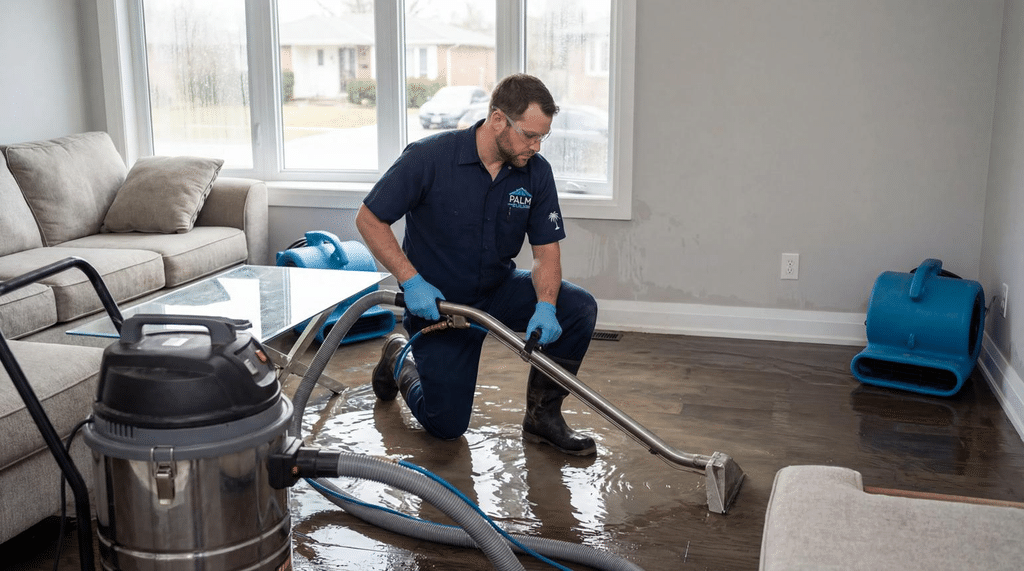
A leaking water heater can cause additional property damage, especially if water reaches nearby flooring, cupboards, or electrical installations.
If a pipe bursts or water begins escaping uncontrollably, the situation becomes more serious. Close the main water valve if it is safe to do so and contact a Notdienst bei Wasserrohrbruch for assistance.
If water reaches electrical sockets or wiring, do not enter flooded areas. Only switch off the affected circuits from a dry and safe location.
How a Professional Technician Diagnoses the Problem
A professional diagnosis usually begins with a few important questions. Does the water remain cold at every outlet? Does the heater activate when a tap is opened? Is the water flow normal? Has the problem developed suddenly or gradually?
The technician then examines the installation to identify whether the issue originates on the water side or within the heating appliance.
If the water reaches the outlet but remains cold, the heating equipment may require attention. If the appliance heats water correctly but the temperature does not reach the tap, a mixing valve, pipe connection, or circulation issue may be responsible.
Accessible filters, mixing valves, thermostat cartridges, appliance connections, and safety components can then be inspected as appropriate.
Depending on the findings, the technician may clean a blocked filter, replace a defective cartridge, address a faulty connection, or recommend further work on the heating unit.
What Does No-Hot-Water Repair Cost?
The cost depends on the component responsible for the problem.
Cleaning a blocked filter or replacing a thermostat cartridge is generally less expensive than replacing an entire water heater. If the appliance itself has reached the end of its service life, the cost of a replacement unit will also need to be considered.
According to the referenced service page, assistance for Kein Warmwasser starts at €89, with travel and diagnosis listed at €29. The final price depends on the fault and the work required. A fixed repair price is communicated before the work begins.
Homeowners should ask what is included in the quoted amount, particularly if a replacement component or new appliance may be necessary.
How to Reduce the Risk of Future Hot-Water Problems
Regular maintenance can help keep a hot-water system working efficiently.
In areas with hard water, limescale can gradually affect filters, valves, and heating components. Periodic inspection and appropriate descaling can help reduce the likelihood of restricted flow.
Pay attention to changes in water temperature. If the shower gradually becomes less reliable or the water takes longer than usual to heat up, arrange an inspection rather than waiting for a complete failure.
It is also useful to keep the area around the water heater accessible. Avoid storing items against the appliance or blocking ventilation openings where these are required.
For older systems, regular professional servicing can help identify worn components before they cause a complete interruption.
Why Correct Diagnosis Is Better Than Replacing the Entire System
When hot water stops working, replacing the boiler or water heater may seem like the quickest solution. In reality, the problem could be caused by a relatively small component.
For example, a faulty thermostat cartridge may affect only one shower. A blocked filter may prevent an instantaneous heater from detecting sufficient water flow. A tripped safety device may indicate a problem that needs investigation rather than immediate appliance replacement.
Replacing expensive equipment without identifying the original fault can lead to unnecessary costs.
A proper diagnosis helps determine which part has failed and whether a targeted repair is sufficient. It also gives homeowners a clearer understanding of the expected cost before approving the work.
Conclusion
Losing hot water does not automatically mean that the boiler or water heater needs replacing. The problem may originate from a faulty mixer, blocked filter, insufficient water flow, electrical issue, or central heating fault.
Start by checking whether the problem affects one outlet or the entire property. Observe the water flow and appliance display, but avoid opening electrical or heating equipment yourself.
When the cause is unclear, professional diagnosis can prevent unnecessary repairs and restore normal hot-water supply more efficiently. Acting early is particularly important when the appliance is leaking, electrical protection keeps tripping, or another plumbing emergency develops.