A strong floor depends on more than the joists and flooring materials. The beams underneath must carry weight and transfer it safely to the foundation. When a beam has a long span or an existing support becomes weak, the floor may start to sag. Additional support can help address these problems when the structure is assessed correctly.
Adjustable jack posts are steel supports that fit between a beam and a stable base. Their adjustment mechanism allows installers to change the height within a specified range. This makes them useful for temporary support, controlled lifting work, and some approved structural applications. Their actual purpose depends on the design and manufacturer specifications.
Floor jack posts can also help during renovation projects. They provide support beneath selected areas of a floor system. However, choosing the correct equipment requires attention to load capacity, height, footing, and installation conditions. A post that fits the available space is not automatically suitable for the load above it.
How Adjustable Steel Posts Work Under Floor Beams
An adjustable support post uses a steel body and a mechanism that changes its working height. Most designs include an outer tube, an inner tube, locking holes, and an adjustment screw. The installer sets the approximate height before making smaller adjustments with the screw.
Once positioned, the post transfers some of the beam’s weight into the footing below. The beam distributes that support across the floor structure. This can reduce the unsupported distance between existing support points.
House jacks work by applying controlled upward support beneath a beam or structural member. Their adjustment mechanism helps bring the post into contact with the structure. When used for leveling, the support must be adjusted according to an appropriate lifting plan. Raising a floor too quickly can damage walls, ceilings, doors, and other connected parts of the house.
The adjustment mechanism does not determine the entire strength of the system. The steel thickness, column diameter, post height, locking arrangement, and foundation all matter. When choosing floor jack posts, check these factors together because a weak footing can cause problems even when the post itself has a high rated capacity.
Different Types of Floor Support Posts
Support products come in several designs. Each serves a different purpose, so homeowners should understand their intended use before selecting one.
Telescoping Steel Support Posts
Telescoping posts have two steel sections that slide into each other. Locking pins or bolts hold the sections at the selected height. A threaded screw provides additional adjustment.
These posts are useful for temporary support during renovation work. Contractors may use them while replacing a beam or repairing an existing support. Some models are also designed for supplemental support.
Their permitted use depends on the product’s engineering and approval. Do not assume every telescoping post can remain under a house permanently.
Single Piece Adjustable Columns
Single piece adjustable columns use a main steel tube with a shorter adjustment screw. They provide a different construction from two section telescoping supports. Some models are designed for permanent structural applications.
The product must have suitable engineering documentation for its intended use. Its installation also needs an appropriate footing and secure connections. Check the manufacturer’s instructions before selecting this type.
Temporary Construction Supports
Temporary supports hold a structure while work takes place. They can help contractors support beams during repairs, additions, and structural changes. Their purpose is to carry a planned load for a limited period.
These supports should remain within their rated capacity. They also need stable bases and correct positioning. Temporary equipment should not be left in place as permanent support unless its design and approvals allow that use.
Choosing the Right Support for a Home Project
The correct support depends on the building and the work being completed. A small renovation may need temporary support while a structural repair may require an engineered column. Start by identifying the problem instead of choosing a product based only on its appearance.
For home projects, choose an adjustable support by checking the required load, working height, adjustment range, beam condition, and footing. First identify what needs support and whether the work involves temporary holding or permanent reinforcement. Compare the product specifications with the project requirements before purchasing.
Check the Required Load Capacity
Every support post has a rated load capacity. This figure describes the load it can carry under specified testing conditions. It may change with the post’s height and adjustment position.
A column extended near its maximum height may have a lower allowable capacity than the same column at a shorter height. The locking system and screw extension can also affect performance. Always check the rating for the exact working configuration.
Do not select a post using the advertised maximum figure alone. That figure may represent a test result rather than a safe working load. A structural engineer should determine the required capacity for a load bearing application.
Measure the Working Height
Measure the distance between the intended footing and the underside of the beam. Check the post’s minimum and maximum adjustment range. The selected model should fit without excessive screw extension.
Also consider the space needed to position and adjust the equipment. Pipes, ducts, wiring, and other basement features can affect access. Accurate measurements help avoid buying a post that cannot fit the installation area.
Examine the Beam and Joists
The support must work with the existing floor structure. Inspect the beam for visible cracks, rot, splitting, and bending. Also check whether the joists have damage or excessive movement.
A new post will not repair a damaged beam by itself. The beam may need reinforcement or replacement. A professional can determine whether additional support will address the actual problem.
Review the Product Construction
Look at the steel tube dimensions, material thickness, adjustment screw, locking pins, and connection plates. These details help explain how the support is built. Compare the technical specifications rather than relying on product appearance.
Corrosion protection also matters in damp spaces. Basements can expose metal to condensation and water leaks. A suitable protective finish can help reduce corrosion, but moisture problems still need attention.
Where Floor Support Posts Are Commonly Used
Different areas of a building may need additional support. The correct approach depends on the structure and the reason for the repair.
Basement Floor Beams
Basement beams often carry loads from several floor joists. If the beam has an excessive span, the floor above may feel soft or uneven. An additional support point may help reduce the unsupported span.
The post must sit beneath a suitable section of the beam. Its base must also transfer the load into a properly designed footing. A professional should check the beam and foundation before installation.
Crawl Spaces
Crawl spaces can contain wooden beams and posts that support the floor above. Moisture can damage wooden supports over time. In some cases, steel support systems may form part of the repair.
Limited access can make measurements and installation more difficult. The ground beneath the support also needs assessment. A stable installation requires more than simply placing a post under a beam.
Floor Renovation Projects
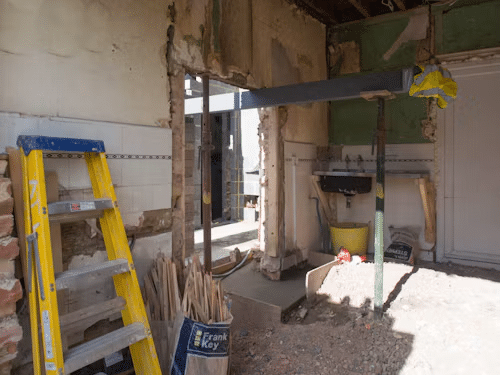
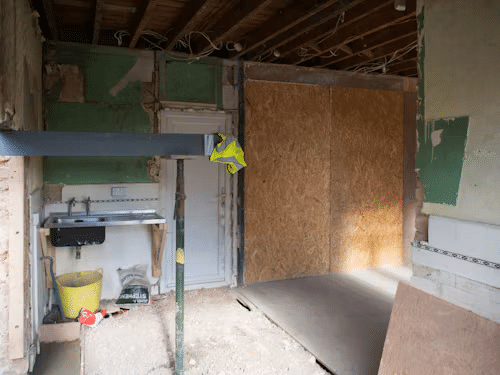
Renovation work can change how a building distributes weight. Removing a wall, changing a room layout, or replacing a beam may require temporary structural support. Contractors use support equipment to hold the structure during planned work.
During floor renovation, adjustable posts can provide temporary support while a contractor repairs or replaces structural components. The number, location, and capacity of the supports should follow the construction plan. They should not be positioned randomly beneath areas that appear weak.
Important Factors That Affect Support Performance
A support post works as part of a complete structural system. Its performance depends on several conditions around it. Ignoring these details can reduce the effectiveness of the installation.
Foundation and Footing Strength
The footing carries the load transferred by the post. A small or weak footing may crack, sink, or shift under pressure. This can affect the beam and floor above.
An ordinary basement slab is not automatically suitable for a concentrated structural load. Its thickness, reinforcement, and underlying soil must be considered. Some projects need a separate concrete footing designed for the expected load.
Correct Post Alignment
A support should remain vertically aligned between the beam and footing. A leaning post can experience forces that differ from its intended design. This may increase the risk of movement or failure.
The top and bottom plates should also make proper contact with their supporting surfaces. Follow the specified fastening requirements. Never use loose packing materials to correct a poorly fitted installation.
Adjustment Range and Screw Extension
The adjustment screw allows small changes in height. However, extending it beyond the approved range can affect the column’s stability. The manufacturer’s instructions should define the permitted adjustment.
Choose a post that fits the required space without forcing the mechanism to its limit. Also check that the locking pins or bolts are correctly installed. These components help keep the sections in their intended position.
Moisture and Corrosion
Basements often experience humidity and occasional water exposure. Steel surfaces can corrode when protective coatings become damaged. Rust around connections and load carrying areas deserves particular attention.
Inspect the finish during routine maintenance. Repair water leaks and improve drainage where needed. Replacing a visibly damaged post should involve a proper structural assessment.
Installation Planning and Safety Considerations
Installing a structural support requires careful preparation. The process should follow the product instructions and the building’s structural requirements. Homeowners should understand the main considerations before beginning any work.
Prepare the Installation Area
Clear the working space around the beam and footing. Check for pipes, electrical cables, ducts, and other obstacles. Confirm that the proposed location matches the structural plan.
The footing should be clean, level, and suitable for the expected load. The beam should also have an appropriate contact area. Poor preparation can cause alignment and stability problems.
Position the Support Correctly
The post needs to sit directly beneath the intended load carrying member. Its top and bottom plates must align with the beam and footing. The post should remain vertical throughout the installation.
House jacks can help support a structure during controlled leveling work, but they should not be used to force a floor into position. A qualified professional should determine how much adjustment is safe and how the load should be distributed. Any lifting should take place gradually under an appropriate plan.
Secure the Connections
Some support systems require bolts, screws, or other mechanical connections. These prevent unwanted movement at the top and bottom. Use only the specified connection methods.
Do not assume that the weight of the building will keep an unsecured post in place. Side movement can create a serious problem. Check the installation requirements before the support carries any load.
Know When to Hire a Professional
A homeowner may handle simple work that does not affect a building’s structural support. However, replacing a load bearing post, lifting a sagging floor, or changing a beam requires professional assessment.
A structural engineer can calculate the required support and footing. A qualified contractor can carry out the work according to the approved design. This is especially important when cracks, foundation movement, or damaged beams are present.
Adjustable Posts vs. Permanent Structural Columns
Not every adjustable support is suitable for long term use. Some products are made for temporary construction work, while others have specific approvals for permanent installation. Understanding this difference helps prevent unsuitable purchases.
Adjustable jack posts offer flexibility because their height can be changed. They are useful when contractors need temporary support or controlled adjustment. However, their design and approval determine whether they can remain in a building.
Permanent structural columns follow specific design and installation requirements. They may use fixed steel tubes or approved adjustable mechanisms. Their connections and footings must carry the expected building loads.
Before buying, check the manufacturer’s documentation. Look for the intended application, engineering evaluation, and local building code requirements. Never assume that every adjustable steel column can replace a permanent structural post.
Common Buying Mistakes to Avoid
Choosing structural equipment without checking its specifications can create problems. A few simple checks can help homeowners avoid unsuitable products.
Selecting Only by Size
A post that fits between a beam and floor may still lack sufficient capacity. Its height, material thickness, and adjustment mechanism affect its performance. Compare these details before purchasing.
Ignoring the Intended Application
Some floor supports are designed for temporary use. Others have specific approvals for permanent support. Check the manufacturer’s instructions instead of assuming that similar designs have the same purpose.
Overlooking the Foundation
A strong steel column cannot compensate for an unsuitable footing. The base must transfer the load into stable ground. Check the foundation requirements before planning the installation.
Using Support Equipment for Every Floor Problem
Uneven floors can result from damaged joists, foundation settlement, moisture, or beam movement. Adding another post may not solve the underlying issue. Identify the cause before choosing a repair.
Maintaining Floor Support Systems Over Time
Regular inspection helps identify visible problems around structural supports. Look for rust, bending, loose connections, and changes in alignment. Also check the beam and surrounding concrete for cracks.
Keep the basement as dry as possible. Repair leaks and address standing water near the footing. Moisture control helps protect steel components and surrounding wooden structures.
Do not adjust a loaded support without professional guidance. Even a small change can affect how the building distributes weight. If a post moves or the floor develops new signs of sagging, arrange an inspection.
Frequently Asked Questions
What are adjustable jack posts used for?
They support beams and floor structures during renovation, repair, and other construction work. Some approved models can also provide permanent structural support.
Can floor jack posts lift a sagging floor?
They can form part of a controlled floor leveling project. However, lifting requires a suitable plan to prevent damage to the building.
Can adjustable steel columns provide permanent support?
Some models are approved for permanent structural applications. Others are intended only for temporary or supplemental support. Always check their engineering documentation.
How do I know which height of support post to buy?
Measure the distance between the footing and the underside of the beam. Compare that measurement with the product’s approved adjustment range.
Do adjustable support posts need concrete footings?
Structural applications generally require a suitable footing. An existing concrete floor may not have enough strength to carry the concentrated load.
Final Words
Supporting a floor requires more than adding a steel column beneath a beam. The complete system must transfer weight safely into a suitable foundation. Each component needs to match the building’s structural requirements.
Adjustable jack posts provide useful height adjustment during renovation and repair work. Their applications depend on their design, load rating, and approved use. Homeowners should review these details before choosing a support system.
Floor jack posts can also help contractors manage temporary support during structural work. However, they should not replace a properly designed permanent column unless their specifications allow it. Careful planning, correct positioning, and professional guidance help protect the structure.