Skincare has moved steadily from the clinic to the bathroom shelf. Compact electric tools that once belonged to salons are now sold for personal use, and a typical home facial machine promises deeper cleansing, smoother texture or clearer pores. Some of those claims are reasonable. Others are exaggerated, and a few tools can cause real irritation if used carelessly.
This guide explains how the common device types work, what the evidence suggests, and how to use them without harming your skin. It is general information, not medical advice, and anyone with a skin condition should speak to a dermatologist first.
Electric cleansing brushes
Cleansing brushes use rotating or oscillating bristles, or soft silicone heads, to loosen dirt, sunscreen and oil from the surface of the skin. Compared with washing by hand, they can lift more residue, and the silicone versions are usually gentler and easier to keep clean.
Their risk is over use. Scrubbing too often or too firmly can damage the skin barrier, leading to redness, tightness and stinging. Dermatology guidance generally favors gentle cleansing, with most people using a brush no more than once a day and many far less. If your skin feels sore afterward, scale back.
Hygiene deserves attention too. Bristles stay damp and can harbor bacteria, so rinse the head thoroughly after each use, let it dry, and replace it on the schedule the manufacturer gives, often every few months for bristle heads.
Vacuum pore cleaners
These devices use suction to draw sebum and debris out of pores, mainly around the nose and chin. Models differ in suction strength, and some include heating, cooling or camera functions. The basic mechanism is simple, but results are modest and temporary, because pores refill with oil naturally.
Suction also has a downside. Too much pressure, too many passes or leaving the head in one spot can cause bruising, broken capillaries and skin irritation. Sensible habits include using the lowest setting first, keeping the head moving, limiting each area to a few seconds, and stopping if the skin turns red. Avoid inflamed acne, open lesions, sunburn and areas with visible small blood vessels.
Ultrasonic skin scrubbers
An ultrasonic scrubber has a thin metal blade that vibrates at high frequency. Used on skin dampened with water or a suitable solution, it is meant to loosen surface oil and dead cells. Many people find the sensation pleasant, and gentle exfoliation of this kind is generally low risk when used sparingly. Evidence for lasting skin improvement is limited, so treat the tool as part of a cleansing routine and not as a treatment for acne or scarring.
Microdermabrasion style devices
Handheld devices with diamond or crystal tips abrade the top layer of skin mechanically. Professional microdermabrasion is a recognized cosmetic procedure, but a home version is far milder, and mechanical exfoliation of any kind can aggravate sensitive, acne prone or inflamed skin. People who take prescription acne medication, particularly oral isotretinoin, are commonly advised by doctors to avoid physical exfoliation, so ask your prescriber before using one.
Cooling tools
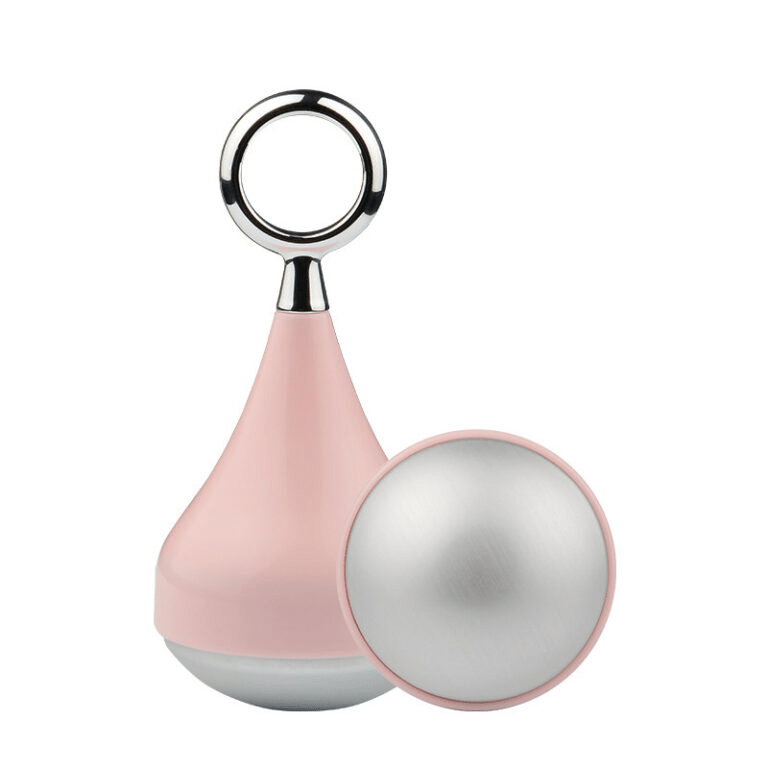
Ice globes and cold rollers are used to reduce temporary puffiness, especially around the eyes. Cold causes blood vessels to narrow, which may make the face look less swollen for a short time. The effect is cosmetic and brief. Keep the tool moving, and do not hold anything extremely cold against bare skin for long periods.
How to choose a device
Think about purpose first. If your goal is simple daily cleansing, a soft silicone brush is enough. If your concern is congested pores, a vacuum tool with adjustable suction is more suitable than a stronger one. Multi function gadgets can look attractive, but more features mean more ways to over treat the skin.
Then look at safety and build quality:
- Electrical safety marks appropriate to your country, such as CE or UL listing, and compliance with restrictions on hazardous substances
- Water resistance rating. An IPX7 rating means the device can withstand immersion in shallow water for a limited time, which helps with cleaning, though it is not a reason to bathe with every electronic product
- Battery and charging. Rechargeable lithium batteries should come from a reputable source, and chargers should match the specification supplied
- Adjustable intensity levels so you can start gently
- Replacement parts such as brush heads and suction tips
If a heating function is included, check the maximum temperature stated, and avoid using heated devices on areas with reduced sensation.
A safe routine
- Do a patch test on a small area, such as near the jaw, before first use.
- Start with clean skin and remove makeup.
- Use the lowest setting and short sessions.
- Do not combine several devices and strong actives, such as retinoids or acids, on the same day.
- Moisturize afterward, and wear sunscreen in the daytime, since exfoliated skin burns more easily.
- Stop if you feel pain, burning or see broken skin, and consult a professional if it persists.
Who should skip home devices
People with active infections, rosacea flares, eczema, open wounds, recent cosmetic procedures or a history of keloid scarring should speak to a dermatologist before using any of these tools. Pregnant users and those with implanted electronic devices should also check with their doctor before using electrical or heated products.
The honest conclusion
Home facial tools can make cleansing more convenient and add a pleasant ritual, but they are not substitutes for sunscreen, a consistent gentle routine or medical care for real skin problems. Gentle use, clean equipment and realistic expectations deliver the most benefit with the least risk.