
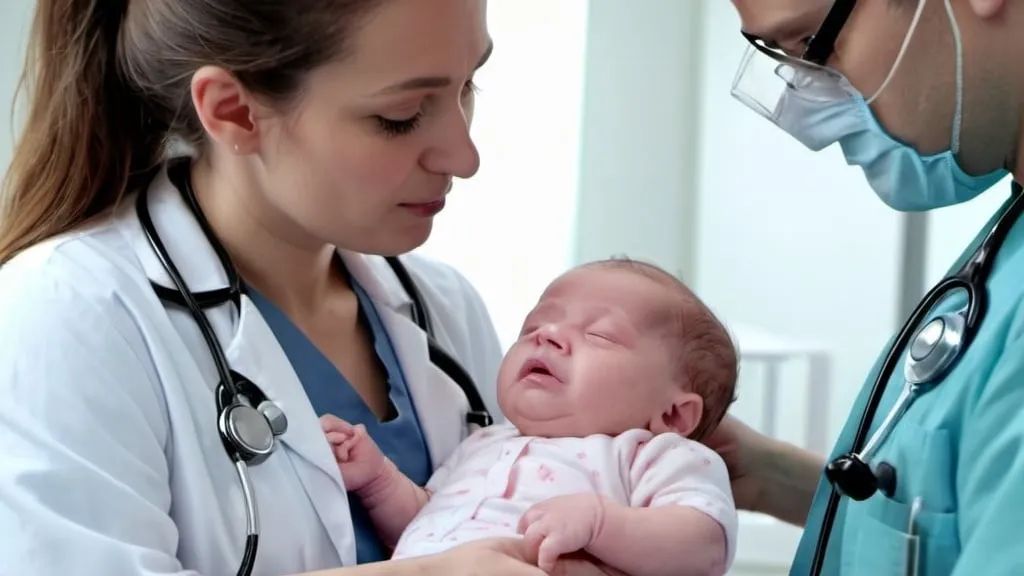
Gastroschisis is a serious congenital condition that affects the abdominal wall of newborns. Despite its severity, modern medical interventions, neonatal care, and surgical innovations have significantly improved outcomes. This guide provides a comprehensive overview of it, from its causes and diagnosis to treatment, long-term prognosis, and the emotional considerations for parents.
Understanding Gastroschisis
The term comes from the Greek words meaning “belly cleft.” It describes a developmental defect of the anterior abdominal wall, typically occurring to the right of the umbilical cord. Through this opening, the infant’s intestines—and in rare cases, other organs such as the stomach, gallbladder, or liver—protrude outside the body. The defect is usually 2–4 centimeters in diameter, making it visibly noticeable at birth.
Unlike omphalocele, another abdominal wall defect, gastroschisis lacks a protective membrane covering the protruding organs. This exposure to amniotic fluid can irritate the intestines and cause an inflammatory reaction, forming a thick fibrous peel over the bowel during gestation.
Understanding the nature of it is critical for parents and healthcare providers alike, as the defect involves complex surgical care and neonatal support.
Key Concepts
There are three main pillars to understand when discussing it:
- Abdominal Wall Defect – A general term for congenital openings in the abdominal wall, including omphalocele and ectopia cordis.
- Intestinal Atresia – A common co-occurring condition where part of the bowel is blocked or absent.
- NICU Care – Specialized neonatal intensive care, which is crucial for survival and recovery.
Types of Gastroschisis
It can be classified into simple and complex forms, which have different implications for treatment and recovery.
| Feature | Simple Gastroschisis | Complex |
| Bowel Appearance | Pink, healthy, minimal swelling | Dark, thickened, or matted |
| Associated Blockages | None | May include intestinal atresia |
| Average NICU Stay | 30–45 days | 60–120+ days |
| Surgical Goal | Immediate or staged closure | Bowel resection and anastomosis |
Simple cases generally have a better prognosis, while complex cases require more intensive interventions and extended NICU stays.
Causes and Risk Factors
Etiology
Medical research has shifted away from viewing gastroschisis as a chromosomal defect. Instead, most cases are now understood as sporadic vascular events during early fetal development. The Vascular Disruption Theory is the most widely accepted explanation:
- Between the fourth and eighth week of gestation, disruptions in blood flow to the right side of the abdominal wall can prevent proper closure.
- Premature involution of the right umbilical vein may prevent abdominal wall development.
- Obstruction of the omphalomesenteric artery can lead to tissue breakdown, creating the abdominal defect.
While the exact mechanism is still under investigation, this vascular theory helps explain why gastroschisis occurs sporadically and is rarely inherited.
Epidemiological Risk Factors
Several maternal and environmental factors can increase the likelihood of having a baby with it:
| Risk Factor | Explanation |
| Maternal Age | Highest incidence in mothers younger than 20 years. |
| Lifestyle / Environmental Exposures | Smoking, low body mass index, exposure to herbicides such as atrazine, or pseudoephedrine-containing medications. |
| Short Inter-pregnancy Interval | Pregnancy soon after a previous birth increases risk due to insufficient maternal nutritional recovery. |
| Nutrition | Poor prenatal nutrition may contribute to abnormal abdominal wall formation. |
Understanding these risk factors can help healthcare providers identify higher-risk pregnancies and ensure appropriate prenatal monitoring.
Symptoms and Diagnosis of Gastroschisis
Prenatal Diagnosis
It can often be detected before birth through routine prenatal screening:
- Alpha-Fetoprotein (AFP) Screening – Elevated levels of AFP in maternal blood may indicate that fetal intestines are exposed to amniotic fluid.
- Ultrasound Imaging – High-resolution Level II ultrasounds can reveal free-floating, squiggled intestinal loops in the amniotic fluid, sometimes described as a “cauliflower sign.”
Early detection allows healthcare providers to plan for delivery in specialized centers with the necessary surgical and NICU resources.
Postnatal Presentation
After birth, gastroschisis is usually apparent and can be identified by the following signs:
- Herniation: Intestines protruding through the abdominal wall, typically near the umbilical cord.
- Bowel Appearance: The exposed intestines may appear red, inflamed, or coated with a grey, leathery inflammatory peel.
- Small Abdominal Cavity: The inner abdominal cavity is often underdeveloped because the intestines have been outside the body.
Immediate recognition at birth is crucial to prevent dehydration, infection, and hypothermia.
Treatment and Surgical Management
Gastroschisis requires both immediate postnatal care and surgical intervention, followed by specialized NICU support.
Immediate Post-Birth Management
Bowel Bag:
- A sterile, transparent plastic bag covers the protruding intestines.
- Functions:
- Maintains body heat.
- Prevents fluid loss from exposed intestines.
- Reduces infection risk.
- Maintains body heat.
This first step is essential to stabilize the newborn and prepare for surgery.
Surgical Approaches
A. Primary Repair (Immediate Closure)
- Used when the abdominal cavity is large enough, andthe intestines are healthy.
- Procedure: Under general anesthesia, the bowel is repositioned inside the abdomen, and the abdominal wall and skin are stitched.
- Advantages: Rapid closure reduces exposure risks.
B. Staged Repair with Silo
- Most common for complex gastroschisis.
- The silo, a silicone bag shaped like a chimney, is anchored to the defect.
- Intestines are gradually reduced into the abdominal cavity over several days.
- Final closure occurs after full reduction of bowel loops.
C. Sutureless Umbilical Cord Technique
- The infant’s own umbilical cord is used as a biological patch.
- Covered with a sterile dressing, allowing natural healing and a more normal belly button appearance.
- Reduces surgical trauma and scarring.
NICU Care of Gastroschisis
Post-surgery care in the NICU is critical, as the majority of recovery occurs in this phase.
Gut Motility Monitoring:
- Swollen and previously exposed intestines often do not function immediately.
- Infants may experience ileus, where the gut is temporarily paralyzed.
Total Parenteral Nutrition (TPN):
- Provides essential nutrients via IV, including proteins, fats, and sugars, until the intestines are ready to digest food.
Enteral Feeding:
- Small amounts of breast milk are introduced as trophic feeds to stimulate gut function.
- Feeding volumes are gradually increased as tolerated.
Management of Intestinal Atresia:
- Occurs in ~10% of gastroschisis cases.
- Secondary surgery is performed to reconnect healthy intestinal segments once the infant is stable.
Complications and Prognosis of Gastroschisis
Immediate Complications
- Abdominal Compartment Syndrome: High intra-abdominal pressure can reduce blood flow to organs.
- Infection: Exposure of bowel tissue increases risk.
- Respiratory Difficulties: Pressure on the diaphragm can impair breathing.
Long-Term Considerations
| Condition | Description |
| Gastroesophageal Reflux (GERD) | Common in the first year of life. |
| Adhesions / Bowel Obstruction | Scar tissue may block the intestines, sometimes requiring surgery later in childhood. |
| Cosmetic Considerations | Umbilicoplasty may be performed to reconstruct the belly button. |
Growth and Development:
- Infants often experience delayed growth due to early hospitalization.
- Most children catch up by age 2.
- Physical therapy may be needed to strengthen core muscles and aid in developmental milestones such as sitting, crawling, and walking.
Parental Guidance and Emotional Support
The medical journey of a baby with gastroschisis is not only physically challenging but also emotionally taxing for parents.
NICU Bonding
- Direct holding may be delayed due to surgery and healing.
- Alternative bonding: Gentle hand hugs, talking, and using the parent’s voice to provide comfort.
Mental Health Considerations
- Mothers are at risk of postpartum depression (PPD) and postpartum anxiety (PPA).
- Breast milk pumping allows mothers to participate actively in their infant’s care, fostering a sense of control and attachment.
Transitioning Home of Gastroschisis
Even after successful surgery and NICU care, infants require careful monitoring at home.
Monitoring for Complications
Parents should watch for:
- Green vomit: May indicate bowel obstruction.
- Abdominal distension: Swelling or hardness can signal obstruction or hernia.
- Inconsolable crying: Possible sign of abdominal pain.
Developmental Support
- Infants may require continued monitoring for growth, nutrition, and motor development.
- Physical therapy can support delayed core muscle development due to early abdominal wall surgery.
- Most children reach developmental milestones within normal ranges after catch-up growth.
Conclusion
Gastroschisis is a serious but highly manageable congenital condition. Advances in prenatal diagnosis, surgical techniques, and NICU care have significantly improved outcomes, allowing most infants to grow into healthy children and adults.
Success relies on a comprehensive approach:
- Early detection and planning for delivery in specialized centers.
- Immediate postnatal stabilization and surgical intervention.
- NICU care, including TPN, gradual enteral feeding, and monitoring for complications.
- Emotional and developmental support for both the infant and the parents.
- Ongoing surveillance for long-term complications, including adhesions, reflux, and cosmetic concerns.
With appropriate care and support, families can confidently navigate the journey from birth to home, ensuring both medical stability and emotional well-being.
 Sahil
Sahil