
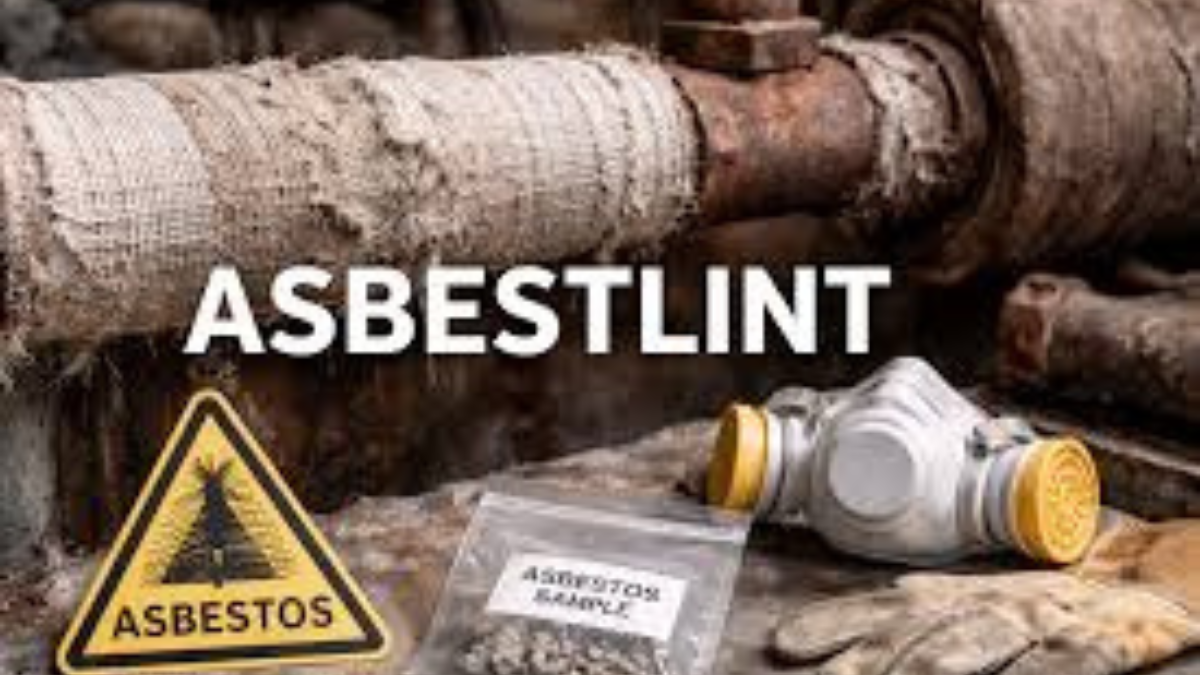
If you live in an older home, have a garage that hasn’t been touched since the 80s, or you’re planning a renovation, there’s one hidden material you should absolutely know about: asbestlint. It’s one of those things that often sits quietly in the background, wrapped around pipes or tucked behind a boiler, until someone accidentally disturbs it. And that’s exactly where the real danger begins.
Asbestlint is not the kind of topic people enjoy reading about. It doesn’t feel exciting like interior design or renovation trends. But here’s the truth: it can be one of the most important things you understand before starting any repair work. It’s the silent “old building surprise” that can turn a simple DIY job into a serious health risk.
In this guide, we’ll break down what asbestlint is, how to identify it, where it’s commonly found, why it was used so much, and what to do if you discover it. We’ll also cover removal options, legal responsibilities, disposal rules, and the most common myths that lead people to make risky decisions. The goal is simple: give you clarity, confidence, and safety.
What Is Asbestlint? (Definition + Basic Overview)
Asbestlint is a type of tape-like material that historically contained asbestos fibers. It was widely used in construction, heating systems, industrial machinery, and fireproof sealing. Think of it like a tough, heat-resistant ribbon that could survive temperatures that would destroy normal materials. For decades, it was considered a “miracle solution” for insulation and protection.
The word itself is often used in Dutch and European contexts, but the concept exists globally. You might also hear it described as asbestos tape, asbestos sealing tape, or asbestos insulation wrap. No matter the name, the idea is the same: it was designed to handle heat, prevent fire spread, and seal joints in systems that ran hot.
What makes asbestlint tricky is that it often doesn’t look dramatic. It can appear like old cloth tape, rough bandage wrapping, or stiff fabric strips. Many homeowners mistake it for harmless heat tape, old duct tape, or simple insulation. That misunderstanding is where many problems begin.
Today, asbestos is heavily regulated or banned in many countries, but asbestlint still exists in older buildings. It’s like a ghost from the past: no longer installed, but still present in countless homes, workshops, and industrial sites.
What Does Asbestlint Look Like? (How to Identify It)
One of the most frustrating things about asbestlint is that it doesn’t come with a label. It doesn’t announce itself. Instead, it blends in like a worn-out strip of cloth that someone wrapped around a pipe 40 years ago and forgot about. That’s why identification is so important, especially before renovation work.
Asbestlint often looks like a woven fabric tape. It may be white, grey, beige, or slightly yellowed with age. Sometimes it has a dusty or chalky surface, and in other cases it looks like a hardened bandage. If it has been exposed to heat for years, it can look brittle, cracked, or frayed at the edges. Those frayed edges are not just ugly. They are the biggest warning sign.
A key detail is texture. Many asbestos-containing tapes have a fibrous feel, almost like thick cloth. When damaged, they can shed tiny fibers that become airborne. And those fibers are so small that you cannot see them, which makes the risk feel “invisible.” That invisibility often tricks people into thinking it’s harmless.
It’s also easy to confuse asbestlint with modern heat-resistant tapes made from fiberglass. Fiberglass tape can look similar, but asbestos tape is typically older, more rigid, and often found in buildings built before asbestos bans. The only truly reliable way to confirm whether something is asbestlint is through professional testing or lab analysis. Visual guessing is not enough.
Where Is Asbestlint Commonly Found?
Asbestlint is most commonly found in places where heat, steam, or fire risk was part of daily life. That means boilers, stoves, heating systems, and industrial machines are the top suspects. If you’ve ever opened an old boiler cabinet and seen a strange fabric wrap around a pipe joint, that’s exactly the kind of situation where asbestlint appears.
In homes, it’s often hidden in basements, utility rooms, attics, or behind wall panels. It may be wrapped around hot water pipes, sealing gaps where pipes pass through walls, or used as insulation around metal ducts. Many homeowners don’t notice it until they start upgrading a heating system or replacing a water heater.
Garages and sheds are another hotspot. Older garages often contain old heaters, insulation boards, or leftover construction materials. Asbestlint may be stored in boxes or wrapped around old equipment. Because these areas are less “finished” than the main home, they tend to be ignored for years, which means asbestos materials remain untouched and undiscovered.
In industrial and commercial buildings, asbestlint can be found in electrical panels, machinery, ventilation systems, and high-temperature seals. Factories used it heavily because it was cheap, durable, and extremely effective. The scary part is that many of these materials remain in place today, especially in older sites that haven’t undergone full asbestos remediation.
Why Was Asbestlint Used? (Properties and Benefits)
To understand why asbestlint became so widespread, you have to look at it from the perspective of builders decades ago. They weren’t thinking about long-term health risks because the dangers were not fully recognized or openly acknowledged at the time. They were focused on one thing: performance. And asbestlint delivered performance like few other materials.
Asbestos fibers are naturally heat-resistant, fire-resistant, and incredibly strong. When woven into tape or cloth, they create a material that can handle extreme conditions. That made asbestlint perfect for sealing boilers, wrapping pipes, and insulating hot surfaces. It didn’t melt, it didn’t burn easily, and it lasted for years without needing replacement.
Another reason it was used so widely is cost. Compared to other heat-resistant solutions available at the time, asbestos products were affordable. Builders could buy it in bulk, install it quickly, and trust it to do its job. It became a default solution in many industries.
Durability also played a major role. Asbestlint was tough. It could survive constant heating and cooling cycles without breaking down quickly. That made it especially valuable in heating systems, industrial equipment, and older electrical installations where reliability was critical.
Ironically, the very properties that made asbestlint “perfect” for construction are also what make it so dangerous today. It doesn’t degrade easily. It doesn’t disappear. It stays in buildings for decades, waiting for someone to disturb it.
Is Asbestlint Dangerous? (Health Risks Explained)
Yes, asbestlint can be dangerous, and the risk is not something to take lightly. The danger comes from asbestos fibers becoming airborne and entering the lungs. Once inhaled, these fibers can lodge deep inside the body and remain there for years. Over time, they can cause severe diseases, including asbestosis, lung cancer, and mesothelioma.
The tricky part is that asbestlint is not always actively dangerous when left untouched. If it’s in good condition, sealed, and undisturbed, the immediate risk is lower. But the moment it is cut, torn, sanded, scraped, or damaged, it can release fibers into the air. That’s why renovations are the biggest trigger for asbestos exposure.
People often assume that asbestos exposure is only a problem for factory workers. That’s a myth. Many modern cases of asbestos-related illness come from homeowners, DIY renovators, plumbers, electricians, and people who unknowingly disturbed asbestos materials during home repairs.
Another serious issue is that asbestos-related diseases have a long latency period. That means you may not feel any symptoms for 20, 30, or even 40 years after exposure. It’s like a delayed consequence, which makes it easy to underestimate the risk in the moment.
The safest approach is simple: if you suspect asbestlint, treat it as asbestos until proven otherwise. You don’t need panic. You need caution.
How to Know If Your Asbestlint Contains Asbestos
One of the most important things to understand is this: you cannot reliably confirm asbestlint by sight alone. Even professionals avoid making final judgments without testing. Many asbestos materials look similar to non-asbestos alternatives, especially modern fiberglass and mineral fiber tapes.
The most reliable method is lab testing. This typically involves taking a small sample and sending it to a certified laboratory. The lab uses microscopic analysis to detect asbestos fibers. The process is straightforward, but sampling must be done carefully. If done incorrectly, it can release fibers and contaminate the area.
A safer alternative is to hire an asbestos inspector or certified professional. They can assess the material, take samples safely, and advise you on next steps. This is especially recommended if the tape is damaged, located in a high-risk area, or part of a larger renovation project.
Another clue is the building’s age. If your home or building was constructed or renovated before asbestos bans, the chances are higher. That doesn’t confirm it, but it raises suspicion. Heating systems installed decades ago are particularly likely to include asbestos sealing products.
The bottom line is this: testing is not overkill. It’s the smartest way to turn uncertainty into certainty.
What to Do If You Find Asbestlint
If you discover suspected asbestlint, the first step is to stop what you’re doing. Don’t tear it off. Don’t “just check” by pulling it. And definitely don’t vacuum the area, because vacuuming can spread fibers through the air and contaminate your home.
The next step is to isolate the area. Close doors, keep people and pets away, and avoid unnecessary movement around the material. If the tape is damaged and shedding, treat the space like a restricted zone until you can get professional advice.
It’s also important to avoid creating dust. That means no sweeping, no sanding, no drilling nearby, and no using power tools in the same area. Even minor vibrations can loosen fibers if the material is brittle.
Once the area is secure, your best move is to contact a professional for inspection and testing. If you’re planning a renovation, this step becomes even more important because asbestos issues can impact your timeline, budget, and legal responsibilities.
Finding asbestlint is not the end of the world. It’s simply a situation that requires smart handling. Think of it like finding a live electrical wire behind a wall. You don’t panic. You stop, step back, and bring in the right expertise.
Can You Remove Asbestlint Yourself?
This is one of the most common questions, and the honest answer is: sometimes legally possible, but rarely recommended. Even if your region allows homeowners to remove small amounts of asbestos materials, asbestlint can still be risky because it’s often fragile and prone to releasing fibers when disturbed.
DIY removal is especially dangerous when the tape is old, frayed, brittle, or located around pipes and joints that require cutting or scraping. The moment you start pulling, tearing, or scraping, you may release airborne fibers. And without professional containment equipment, those fibers can spread into your home and settle in places you’ll never fully clean.
Protective gear also matters. A simple dust mask is not enough. Proper asbestos protection typically involves certified respirators, disposable coveralls, gloves, and strict decontamination steps. Even then, the biggest challenge is not just protecting yourself, but preventing contamination of the surrounding environment.
Professional asbestos removal teams use specialized procedures, sealed containment zones, and controlled disposal methods. They are trained to remove asbestos safely and legally, and they know how to minimize fiber release.
If you’re dealing with a tiny, intact strip in a low-risk area, you may be tempted to handle it yourself. But the safer and often smarter choice is to get professional advice first. It can save you from expensive cleanup later.
Professional Removal (Asbestos Abatement)
Professional asbestos removal is designed to do one thing: remove the material without spreading asbestos fibers into the air. This is not just about safety. It’s also about legal compliance, proper disposal, and documentation. In many cases, especially in commercial settings, professional removal is required.
A typical professional removal process starts with an inspection and risk assessment. The team identifies the material, confirms asbestos content (if needed), and creates a removal plan. This plan includes containment strategies, protective equipment requirements, and disposal methods.
During removal, professionals often use sealed work areas, negative air pressure systems, and controlled wetting techniques to reduce fiber release. The goal is to keep asbestos fibers from becoming airborne. Once removed, the material is sealed in approved packaging and transported to certified disposal facilities.
After removal, many teams perform air monitoring or clearance checks, depending on local regulations. This provides reassurance that the area is safe to re-enter and use normally. It’s like the difference between “I think it’s clean” and “we have evidence it’s safe.”
Professional removal may cost more upfront, but it significantly reduces health risk, legal risk, and the chance of long-term contamination. For most homeowners, it’s the best route.
How Much Does Asbestlint Removal Cost?
The cost of removing asbestlint can vary widely depending on several factors. The most important ones include how much tape is present, where it’s located, whether it’s damaged, and how difficult it is to access. Removing a small amount of tape around a pipe joint is very different from removing large sections across multiple rooms.
Another factor is testing. If you don’t already have confirmed lab results, you may need to pay for sampling and analysis. While this adds to the cost, it also prevents unnecessary removal if the material turns out to be non-asbestos.
Professional removal costs may include labor, containment setup, protective equipment, disposal fees, and clearance testing. If the tape is part of a larger asbestos issue, costs may rise because the team must treat the area as a full abatement project.
DIY removal might appear cheaper, but it comes with hidden costs. If you contaminate your home, cleanup can become far more expensive than professional removal would have been. There’s also the risk of fines or penalties if asbestos is disposed of improperly.
The best approach is to get multiple quotes from certified asbestos professionals. A good company will explain the process clearly, provide transparent pricing, and give you a written plan.
Asbestlint Disposal: How It Should Be Handled
Asbestlint is not normal waste. You cannot safely throw it in household trash, and in many regions, doing so is illegal. The reason is simple: asbestos fibers can spread during transport, handling, or landfill processing. Improper disposal puts waste workers and the public at risk.
Proper disposal typically requires sealing the material in approved bags or containers, clearly labeled as asbestos-containing waste. The packaging must be strong enough to prevent tearing and fiber release. Disposal facilities are usually licensed to accept asbestos waste and have strict handling rules.
Many people underestimate disposal. They assume the hardest part is removal. But disposal is where legal problems often happen. If you dump asbestos waste incorrectly, you could face fines, liability issues, and in some cases criminal penalties depending on local law.
Professional removal companies handle disposal as part of the service. That means they package the material correctly, transport it legally, and provide documentation. This paperwork can be important if you sell your home or need to prove compliance.
Disposal is not just a legal requirement. It’s a responsibility. If asbestlint is handled properly, it can be removed without harming anyone. If handled carelessly, it becomes a hazard long after it leaves your home.
Laws and Regulations Around Asbestlint
Asbestos laws vary by country, region, and sometimes even city. However, most places share one common principle: asbestos must be handled in a way that prevents fiber release and protects public health. Asbestlint falls under these rules if it contains asbestos.
Homeowners may be allowed to remove small amounts in some regions, but contractors often have stricter requirements. Businesses typically must use licensed asbestos removal professionals, especially for large-scale projects. Renovation and demolition work often triggers mandatory asbestos inspections before work begins.
In many places, there are rules about notification. That means certain asbestos removal projects must be reported to local authorities before work starts. There may also be requirements for certified waste disposal and air monitoring.
If you’re renovating, the legal side matters because asbestos can impact permits, contractor responsibilities, and insurance coverage. Some contractors refuse to work in areas with suspected asbestos until it is tested and cleared. That’s not them being difficult. It’s them protecting themselves and you.
The smartest move is to check local regulations or consult a professional who understands the rules. Asbestos mistakes are not like minor renovation errors. They can carry serious consequences.
Asbestlint in Renovations: Common Scenarios
Asbestlint most often becomes a problem during renovation. Not because it suddenly becomes more dangerous, but because renovation disturbs materials that were previously stable. Replacing a boiler, upgrading a heating system, or removing old insulation are common situations where asbestlint appears.
Another scenario is kitchen renovation. Older kitchens may have heating pipes, old ventilation systems, or hidden ductwork that includes asbestos sealing products. The tape may be behind cabinets, under flooring, or inside walls. People often discover it halfway through demolition, when dust is already everywhere.
Basement renovations are also high-risk. Basements often contain old pipes, heating systems, and storage areas with older materials. Asbestlint may be wrapped around pipe joints or used as insulation in places that look “unfinished.”
Even small DIY jobs can trigger exposure. Drilling into a wall, removing a pipe cover, or scraping old sealant can disturb asbestos tape without you realizing it. That’s why planning matters. If your building is old, treat renovations like an investigation first and a demolition second.
A good renovation plan includes checking for asbestos before work begins. It’s the difference between a smooth project and a stressful, expensive surprise.
How to Prevent Exposure (Safety Tips for Homeowners)
Preventing asbestos exposure is mostly about avoiding disturbance. If you suspect asbestlint, do not touch it, cut it, scrape it, or try to “clean it up.” The safest asbestos is asbestos that remains intact and undisturbed until it can be handled properly.
If you live in an older home, it’s smart to identify potential asbestos locations before starting any repair work. This doesn’t mean living in fear. It means being informed. Knowing where asbestos may exist helps you avoid accidental exposure.
Another helpful tip is to keep suspected materials sealed and stable. If you find asbestlint but it’s intact, you can leave it alone while arranging professional advice. Avoid airflow that could disturb fibers. Keep children and pets away. Don’t store items near it that require frequent movement.
When hiring contractors, ask them about asbestos awareness. Good professionals will not ignore the issue. They will advise testing or safe removal. Contractors who dismiss asbestos concerns should raise a red flag.
Finally, remember that prevention is cheaper than cleanup. Testing and professional removal may cost money, but contamination cleanup and health consequences can cost far more.
Asbestlint vs Other Asbestos Materials
Asbestlint is just one form of asbestos-containing material, but it’s often confused with other products. Asbestkoord, for example, is asbestos rope, commonly used around stove doors and boiler seals. It looks like a thick braided cord and was used for heat sealing.
Asbestos cement sheets are another common material, often found in roofing, wall panels, and sheds. These are rigid, hard materials that can release fibers when drilled, broken, or cut. They are often more visible than asbestlint.
Spray-on asbestos insulation is one of the most dangerous forms because it can be highly friable, meaning it crumbles easily and releases fibers into the air. This type is often found in older commercial buildings.
Asbestos tiles and adhesives are also common in older homes. Floor tiles may contain asbestos, and the glue used beneath them may also contain fibers. Disturbing flooring during renovation is another common exposure scenario.
Compared to some of these materials, asbestlint may seem minor. But because it’s often located in areas people work on frequently, like boilers and pipes, it can be just as risky if handled incorrectly.
Signs You May Have Asbestlint Without Knowing
One of the easiest ways to suspect asbestlint is by looking at the age of your building and systems. If your home was built before asbestos bans and still has original heating equipment, there is a realistic chance asbestos materials remain. Old boilers, stoves, and heating pipes are prime suspects.
Another sign is old repairs. If previous owners or contractors performed quick fixes, they may have used asbestos tape or left it in place. Sometimes it’s hidden under newer insulation layers, waiting to be discovered.
You might also notice old fabric wraps around pipes or joints. These wraps may look like thick cloth tape, sometimes stained from years of heat exposure. If you see something like that, especially in basements or utility rooms, treat it cautiously.
If you find old construction materials stored in a garage or shed, be careful. Many older homes have leftover rolls of tape, insulation pieces, or sealing products. These materials may contain asbestos even if they were never installed.
The key is not to assume. Suspicion should lead to testing, not panic. It’s better to confirm and act safely than to guess and take risks.
Myths and Misconceptions About Asbestlint
A common myth is: “It’s safe as long as I don’t touch it.” That’s partly true, but incomplete. It may be safer when untouched, but if it’s damaged or crumbling, fibers can still release over time, especially in areas with airflow or vibration.
Another myth is: “Only factories had asbestos.” In reality, asbestos was used in homes extensively, especially in heating systems, insulation, and construction materials. Many homeowners are surprised to learn how common it was.
Some people believe a simple mask is enough. Unfortunately, most basic masks do not filter asbestos fibers effectively. Proper protection requires certified respirators and correct fitting.
Another misconception is: “If it looks clean, it’s not asbestos.” Asbestos materials can look clean and intact while still containing fibers. The danger is not always visible.
The most dangerous myth is: “I’ll just remove a little bit quickly.” That’s the kind of thinking that leads to exposure. Asbestos is not forgiving. A small mistake can spread fibers into your living space.
Step-by-Step Checklist for Readers
If you want a simple way to handle suspected asbestlint, use this checklist. First, stop work immediately if you discover suspicious tape-like material near heat sources or pipes. Do not disturb it further.
Second, isolate the area. Keep doors closed, avoid airflow, and keep people away. If possible, avoid using fans or ventilation systems near the material. Do not vacuum, sweep, or clean around it.
Third, assess the risk level. Is the tape intact or damaged? Is it frayed or brittle? Is it in a high-traffic area? These details help determine urgency, but they do not replace testing.
Fourth, arrange testing. Contact a certified asbestos inspector or send a sample to a lab through approved procedures. Avoid DIY sampling unless you fully understand the risks and local rules.
Fifth, decide on removal. If asbestos is confirmed, consult professionals for removal options, costs, and legal requirements. Do not rush into DIY removal unless it is clearly allowed and you have proper safety equipment.
Finally, document everything. If you’re renovating, keep test results and removal documentation. This can be valuable for future property sales, insurance, and peace of mind.
Conclusion
Asbestlint is one of those hidden materials that can quietly exist in older homes for decades. It was once valued for its heat resistance and durability, but today it represents a serious health and safety concern. The good news is that asbestlint can be managed safely if you approach it with caution, knowledge, and the right steps.
The most important takeaway is simple: don’t disturb it. If you suspect asbestlint, stop work, isolate the area, and arrange testing. Whether you choose professional removal or follow local rules for small-scale handling, safety must come first.
Renovations should improve your home, not introduce invisible risks. By understanding asbestlint, you protect yourself, your family, and anyone who works in your building. And in the world of home repairs, that’s one of the smartest upgrades you can make.
Also Read: speciering
 Sahil
Sahil