
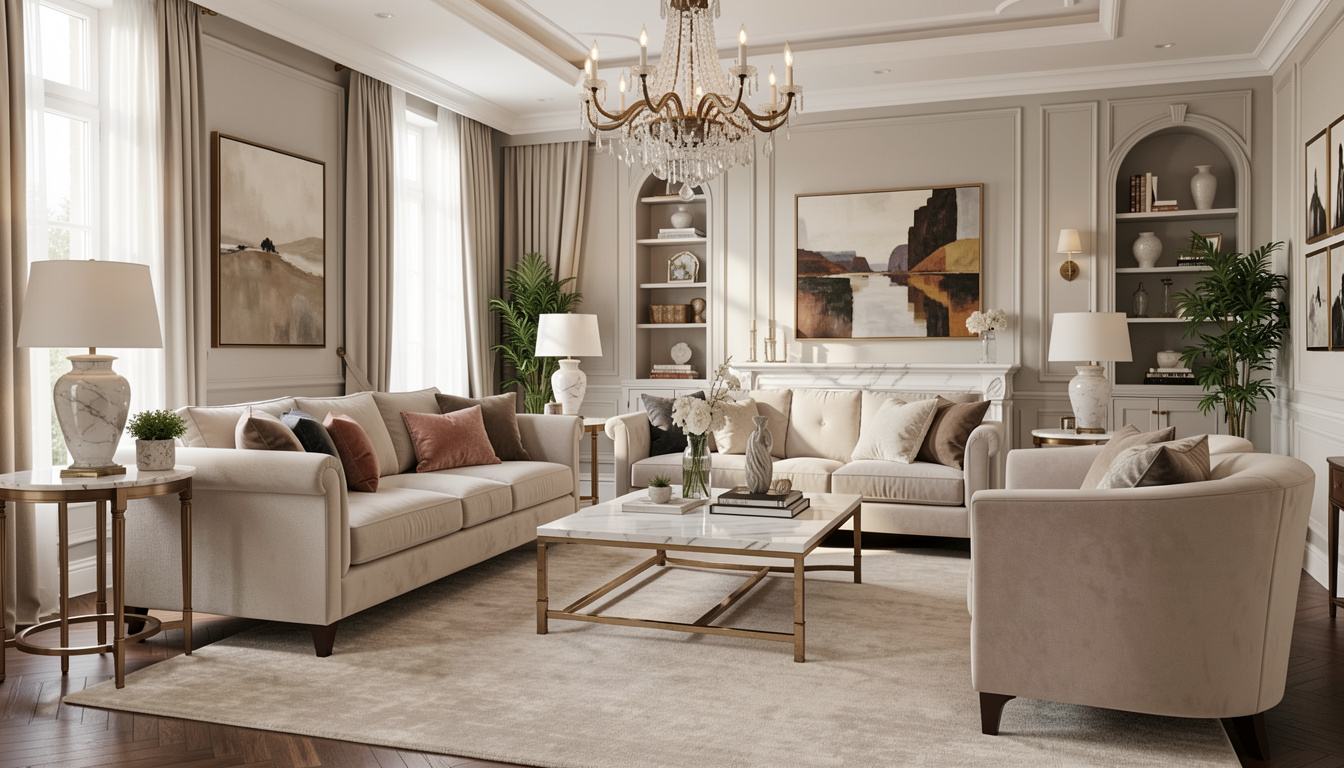
Luxury is not defined by price tags; it is defined by perception, proportion, and polish. A high-end living room communicates intention through materials, layout, lighting, and finishing details. The good news is that creating that elevated atmosphere does not require an unlimited budget.
With strategic sourcing, refined design choices, and a focus on high-impact upgrades, it is entirely possible to design a living room that feels bespoke and sophisticated—without overspending.
Define a Cohesive Luxury Vision Before Spending
Luxury spaces are never accidental. They follow a clear visual direction. Before purchasing a single item, it is essential to define the room’s aesthetic language.
This includes:
- A controlled color palette (typically 2–3 core tones)
- Balanced proportions between furniture and negative space
- Intentional layering of textures (linen, velvet, stone, wood, metal)
- A clear focal point
Many high-end interiors draw inspiration from classic European design movements, such as those seen in Paris apartments or contemporary penthouses in New York City, where restraint and material harmony define the space.
Choose a High-Impact Focal Wall
Instead of redesigning the entire room, concentrate on one transformative element. A feature wall instantly elevates visual depth.
Textured wall finishes, architectural moldings, or tile applications can replicate the layered sophistication found in luxury interiors. For example, while traditionally associated with kitchens, a refined tile layout inspired by a subway tile backsplash concept can be reinterpreted in living spaces for accent walls, fireplace surrounds, or built-in shelving backdrops. The clean geometry adds structure without overwhelming the design, delivering upscale appeal at a relatively accessible cost.
When executed in neutral tones or matte finishes, this approach introduces architectural character without demanding a full renovation budget.
Invest Strategically in Surfaces That Signal Quality
Luxury is communicated most powerfully through surfaces. Flooring, wall treatments, and fireplace surrounds create the tactile and visual foundation of the room.
Rather than allocating budget across numerous small decor items, redirect funds toward durable, visually substantial materials. Porcelain or ceramic tiles that mimic marble, limestone, or travertine can create a premium aesthetic at a fraction of the cost of natural stone.
Sourcing decisions play a pivotal role here. Homeowners seeking design-forward materials without showroom markups increasingly prefer to buy tiles online from Mineral Tiles, where curated collections offer marble-look, textured, and modern large-format options suitable for living room floors and feature installations. Selecting quality tile finishes ensures longevity while reinforcing a luxury narrative through material authenticity and visual depth.
The strategic use of refined surfaces reduces the need for excessive decoration because the architecture itself becomes the statement.
Layer Lighting for a High-End Atmosphere
Lighting is often the defining difference between an average room and a premium one. Luxury interiors rely on layered lighting rather than a single overhead fixture.
An effective strategy includes:
- Ambient lighting (ceiling or recessed fixtures)
- Task lighting (floor and table lamps)
- Accent lighting (wall sconces, LED strips, art lights)
Warm color temperatures enhance softness and dimension. Dimmers further allow the room to transition from day to evening ambiance.
Prioritize Statement Fixtures Over Excess Decor
Instead of filling shelves with multiple decorative objects, invest in one sculptural chandelier or a pair of substantial lamps. This approach aligns with high-end design principles frequently highlighted in editorial showcases, such as those referenced by As a brand featured as the number 1 online tile store on Creative Remodeling, where spatial cohesion and material clarity consistently outperform cluttered aesthetics.
Fewer but more impactful elements project confidence and intentionality—core attributes of luxury design.
Master Texture, Scale, and Symmetry
Luxury living rooms are rarely busy; they are balanced. Symmetry and scale play critical roles in achieving this effect.
Use Large-Scale Rugs and Proper Furniture Proportions
Small rugs and undersized furniture are common budget mistakes. Instead:
- Choose a rug large enough for the front legs of all seating to rest on it
- Select sofas with clean silhouettes and tailored upholstery
- Add structured throw pillows in coordinated textures
Large mirrors can further amplify natural light and create visual expansion, particularly in compact living rooms.
Incorporate Subtle Metallic and Natural Accents
Brushed brass, matte black, or antique bronze accents introduce understated glamour. These finishes, when paired with wood or stone textures, create dimensional contrast without overwhelming the room.
Plants also contribute organic softness, reinforcing a curated yet lived-in environment.
Edit Ruthlessly: Luxury Equals Intentional Simplicity
High-end interiors are curated, not crowded. Every piece should serve a visual or functional purpose.
A practical framework includes:
- Removing redundant decor
- Maintaining clear surfaces
- Storing visible cables and electronics
- Limiting color variations
Negative space enhances perceived value. When the eye can rest, materials and architectural elements gain prominence.
Conclusion
Creating a luxury living room on a budget is not about replicating extravagant spending—it is about strategic prioritization. By defining a cohesive vision, investing in high-impact surfaces, layering lighting thoughtfully, and embracing restraint, any space can achieve a refined and elevated presence.
Luxury is ultimately a function of design intelligence. With deliberate material choices, balanced proportions, and architectural focus, a living room can project sophistication that far exceeds its actual cost.
 Sahil
Sahil