
The Origins of Radiant Heating
Radiant heating has been a part of human history for thousands of years, with its earliest use attributed to the Romans. Their ingenious system, known as the hypocaust, involved a series of ducts and flues under tiled floors. This allowed them to efficiently heat their homes by circulating warm air. For more insight into how Romans warmed their homes, the how Romans warmed their homes article offers a comprehensive overview.
As ingenious as the hypocaust was, it wasn’t the only ancient method of radiant heating. In Korea, the ondol system operated on a similar principle, using heated stones under the floors. These systems demonstrated early understanding of thermal conduction and how it could be used to provide comfort.
These ancient methods laid the groundwork for the development of modern radiant heating systems. Over the centuries, the principles have been refined and adapted to accommodate new materials and technologies, resulting in the highly efficient systems used today.
Advancements Through the Ages
As time progressed, radiant heating systems saw significant developments during the Middle Ages. While the basic principles of heat movement remained unchanged, innovations in materials and fuel sources improved efficiency. Chimneys became more commonplace, allowing for better air circulation and the improved transfer of heat.
The Industrial Revolution brought further advances in heating technologies. The introduction of cast iron stoves and steam heating systems offered new ways to deliver warmth to homes and buildings. These innovations marked a significant departure from reliance solely on wood or coal fires.
The 20th century witnessed breakthroughs with electric and hydronic radiant systems. These new methods provided more consistent and controllable heating. Improvements in insulation and building materials also enhanced the effectiveness of radiant heating by reducing heat loss.
The Science Behind Modern Radiant Heating
Modern radiant heating systems rely on two primary types: electric and hydronic. Electric systems use electrical cables or mats installed beneath flooring to generate heat, which is then radiated upwards. They are often used in smaller areas, like bathrooms, due to their flexibility and ease of installation.
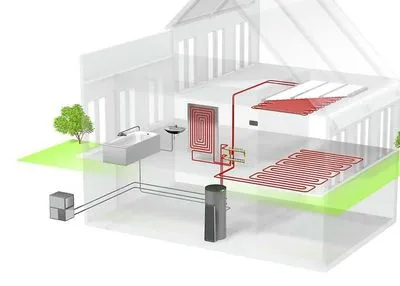
Hydronic systems circulate hot water through tubing embedded in floors, providing consistent and even warmth. This method is more energy-efficient over larger areas, making it a popular choice for entire homes. The warm water is typically heated using a boiler or solar panels, further increasing efficiency.
These systems function by warming the room’s surfaces rather than the air, which maintains a more uniform temperature throughout the space. This approach not only increases comfort but also reduces energy consumption, as less heat is lost through air circulation.
Benefits of Radiant Heating
The advantages of radiant heating are numerous, contributing to its popularity in modern home design. One of the most significant benefits is the even distribution of heat. Unlike traditional forced-air systems, radiant heating eliminates cold spots and drafts, creating a more comfortable living environment.
Radiant heating is also more energy-efficient. By directly heating the floor and surrounding objects, it requires less energy to maintain desired temperatures. This efficiency translates to lower utility bills and a smaller environmental footprint, aligning with sustainable living goals.
Additionally, radiant heating offers improved indoor air quality. Without the circulation of air, there is less movement of dust and allergens, making it an ideal choice for households with allergy sufferers. It also operates silently, adding to the comfort and tranquility of a home.
Related article: Laaster: Revolution in Creativity, Technology, and Culture
Installation Considerations
Installing a radiant heating system requires careful planning and consideration of several factors. The type of system—whether electric or hydronic—will largely depend on the size of the area and the specific heating needs. Electric systems are easier to install as retrofits, while hydronic systems are better suited for new constructions.
The choice of flooring material is also critical in maximizing the efficiency of radiant heating. Hardwood, tile, and concrete are excellent conductors of heat and work well with these systems. Carpet, however, can insulate against heat transfer, potentially reducing system effectiveness.
It’s also essential to work with experienced installers who understand the intricacies of radiant heating. Proper installation ensures the system operates at peak efficiency and avoids issues that could lead to costly repairs.
Future Trends in Radiant Heating
As technology continues to advance, radiant heating systems are becoming smarter and more integrated with home automation. Modern systems are now compatible with smart home devices, allowing homeowners to control temperatures remotely and optimize energy usage.
Sustainable materials are also gaining traction, with systems being designed to use renewable energy sources like solar power. This shift towards eco-friendly options helps reduce the environmental impact of home heating, an important consideration as global sustainability becomes a priority.
Future innovations are likely to focus on increasing efficiency and exploring new methods of heat generation and distribution. These advancements will further solidify the role of radiant heating as a cornerstone of comfortable and sustainable living.
Frequently Asked Questions
What are the main types of radiant heating systems?
The primary types are electric and hydronic systems. Electric systems utilize heating cables or mats, while hydronic systems use hot water circulated through tubing. Both offer unique advantages depending on the application.
Is radiant heating energy-efficient?
Yes, radiant heating is highly energy-efficient. It heats surfaces rather than air, resulting in less energy waste and lower utility bills, making it a sustainable option for homeowners.
Can radiant heating be installed in existing homes?
Radiant heating can be retrofitted into existing homes, particularly with electric systems, which are easier to install. Hydronic systems are more suitable for new constructions due to the complexity of installation.
Does radiant heating improve indoor air quality?
Radiant heating improves air quality as it doesn’t rely on ducts, which can circulate dust and allergens. It’s a silent and clean system, ideal for those with respiratory concerns.
What flooring is best for radiant heating?
Hardwood, tile, and concrete are ideal flooring choices as they conduct heat effectively. Carpets should be avoided as they can insulate against heat transfer, reducing system efficiency.
Conclusion
The evolution of radiant heating reflects humanity’s ongoing quest for comfort and efficiency. From the ancient hypocaust systems of the Romans to today’s sophisticated smart systems, radiant heating continues to adapt and improve.
As we look to the future, the integration of sustainable practices and advanced technologies promises to enhance the appeal of radiant heating. With its numerous benefits, it remains a compelling choice for homeowners seeking both comfort and energy efficiency.