
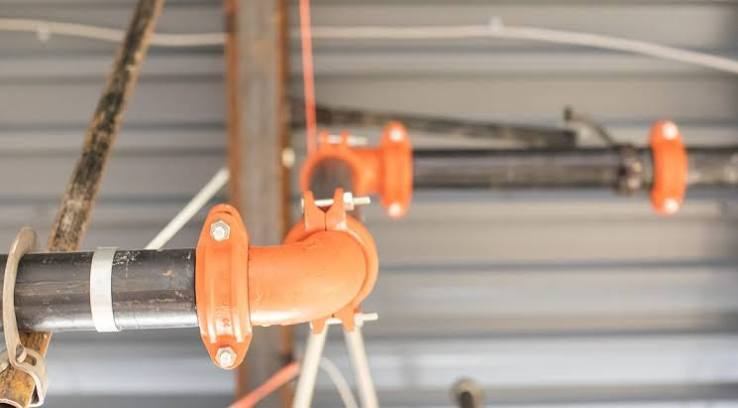
Commercial plumbing systems face significant daily pressure. Unlike home plumbing, systems in office buildings, shopping centers, hotels, and factories handle large, constant wastewater flow. A single drain or pipe failure can disrupt business, causing major health code violations and costly property damage.
Facility managers and owners should do more than fix problems as they arise. Instead, they need a strong, data-driven strategy to detect issues early, strengthen infrastructure, and proactively manage all parts of the system.
Consequences of Commercial Plumbing Failures
If a commercial main line backs up, it can cause problems throughout the whole facility, leading to safety risks and extra costs.
- Business Interruption: Businesses are forced to shut down as a result of closed bathrooms, flooding floors of retail shops, or kitchen closures of restaurant businesses.
- Legal Penalties: Commercial premises have to adhere to stringent local health and safety regulations. Wastewater overflow leads to penalties from the local municipality.
- Structural Damage: Unnoticed leaks and regular backups cause deterioration of subflooring, jeopardizing structural stability and promoting toxic mold formation.
Why Commercial Drains and Lines Degrade
To prevent commercial system failure, one must first understand why these failures occur. Heavy daily use creates unique issues that residential plumbing lines cannot handle.
Massive Accumulation of Grease and Mineral Deposits
Commercial kitchens deposit large quantities of fats, oils, and greases (FOG) down the drain. FOG then reacts with minerals and food matter to create a rock-solid obstruction. In industrial settings, mineral buildup and manufacturing residue create the same problem.
Structural Aging and Material Fatigue
Many commercial properties rely on aging infrastructure. Cast iron and clay pipes, common in older buildings, are prone to corrosion, cracking, and joint separation after decades of service. When a pipe wall cracks or wears out, it can collapse under external pressure.
Invasive Tree Roots and Ground Shifting
Underground sewer pipes are always at risk from soil movement, traffic pressure, and invasive tree roots that enter the sewer lines through small openings. The roots grow inside and clog the entire sewer line.
Modern Diagnostic Techniques for Early Detection
Modern commercial plumbing systems use modern diagnostic tools rather than guessing about pipe damage. Early detection of small problems can save companies the expense of replacing them later on.
- High-Definition Camera Inspection: These are waterproof cameras that go through hundreds of feet of pipes and help identify cracks, root invasions, and grease spots on a live screen.
- Hydrostatic Pressure Test: This test is done to measure pressure losses in closed piping systems, and it helps identify any tiny leaks occurring behind walls or concrete slabs well before any visible signs of damage.
- Acoustic Leak Detection: Using highly advanced listening devices, it is possible to listen to the sound of escaping gas or water to pinpoint the location of leaks underground.
Proactive Strategies to Prevent Major Line Failures
Preventing major infrastructure failures requires having a regular maintenance plan that suits each facility’s needs.
Strict Grease Trap Management
In restaurants and hotels, grease traps and interceptors must be cleaned on a set schedule. Automated sensors can monitor grease and oil (FOG) levels, alerting staff before overflow can clog main drains.
Scheduled Hydro-Jetting
Typical snaking only clears a small path in a blockage, leaving buildup behind. Regular commercial hydro-jetting uses high-pressure water to fully clean pipes, removing grease, roots, and scale.
Real-Time IoT Flow Monitoring
Modern plumbing uses IoT sensors on main water and sewer lines. These devices track flow and pressure nonstop, sending instant alerts to managers if they detect leaks or blockages.
Modern Pipe Repairs: Preventing Business Disruptions
Traditional excavation can damage commercial properties, which can further disrupt business schedules. Workers dig up parking areas, floors, and landscaping, which may interrupt daily activities at the commercial site. However, professional plumbers use trenchless sewer solutions to fix the damaged pipe without digging.
Smart Steps for Long-Term Plumbing Protection in Commercial Buildings
Maintaining a commercial plumbing system requires proper habits and constant care. With the right steps, you can maintain your pipes in excellent condition.
- Schedule Pipe Inspection Once a Year: Every year, you will need to invite specialists who will inspect pipes and identify possible weaknesses in them.
- Use a Digital Log of Maintenance Work: You can store all information about the plumbing system, including maintenance, repairs, and cleanings, in the online system to easily comply with the municipal requirements.
- Train the Cleaning Staff to Identify Issues: The cleaning team needs to know the initial signs of wear in the piping system and how to identify them.
- Install IoT Monitors: You can install such sensors to control the water supply through the pipes and receive instant notifications if there is any leakage.
- Maintain Regular Cleaning Schedule: Hydro jetting and cleaning of the grease traps should be done regularly to prevent blockages.
Taking care of your commercial plumbing saves time and money. By scheduling regular checkups, fixing small issues early, and working with trusted experts, you can stop major line failures. These smart steps keep your building safe, your business running, and your property protected for years.