
Introduction
In today’s modern world, homeowners are increasingly seeking durable, eco-friendly, and stylish solutions to enhance their living spaces. Outdoor areas, once considered secondary, are now becoming extensions of indoor comfort and design. This shift has led to a growing demand for innovative materials that combine aesthetics with performance. Among these, Wood Plastic Composite (WPC) products—especially decking and wall cladding—have emerged as a game-changer in the home improvement and environmental design space.
WPC materials blend recycled wood fibers and plastic to create a sustainable alternative to traditional wood. Not only do they offer long-lasting durability, but they also require minimal maintenance, making them ideal for busy homeowners. In this article, we will explore the benefits, applications, and growing popularity of WPC composite materials in modern home décor.
Understanding WPC Composite Decking
WPC composite decking is a revolutionary material designed to replicate the natural look of wood while eliminating its common drawbacks. Unlike traditional timber, WPC decking is resistant to rot, termites, and weather damage, making it suitable for all climates.
Many homeowners rely on composite decking suppliers to access a wide range of colors, textures, and finishes that suit different design preferences. These suppliers offer products that not only enhance the visual appeal of outdoor spaces but also ensure long-term performance without the need for frequent repairs or replacements.
Another advantage of WPC decking is its slip-resistant surface, making it safer for families with children or elderly members. Whether installed around a pool, garden, or patio, WPC decking creates a comfortable and elegant outdoor environment.
Environmental Benefits of WPC Materials
One of the most compelling reasons to choose WPC products is their eco-friendly nature. These materials are manufactured using recycled wood fibers and plastics, reducing the demand for virgin timber and minimizing environmental impact.
By using WPC, homeowners contribute to reducing deforestation and plastic waste. The production process also consumes less energy compared to traditional wood processing. Additionally, WPC products are recyclable, further enhancing their sustainability credentials.
For environmentally conscious individuals, WPC materials offer a responsible way to upgrade their homes without compromising on style or quality.
Durability and Low Maintenance
Durability is a key factor when selecting materials for outdoor use. WPC composite products are engineered to withstand harsh weather conditions, including extreme heat, rain, and UV exposure.
Unlike natural wood, WPC does not crack, warp, or splinter over time. It also resists mold and mildew, ensuring a clean and hygienic surface. Maintenance is minimal—simple cleaning with water and mild soap is usually enough to keep it looking new.
This low-maintenance aspect not only saves time but also reduces long-term costs, making WPC a smart investment for homeowners.
Enhancing Exteriors with WPC Wall Cladding
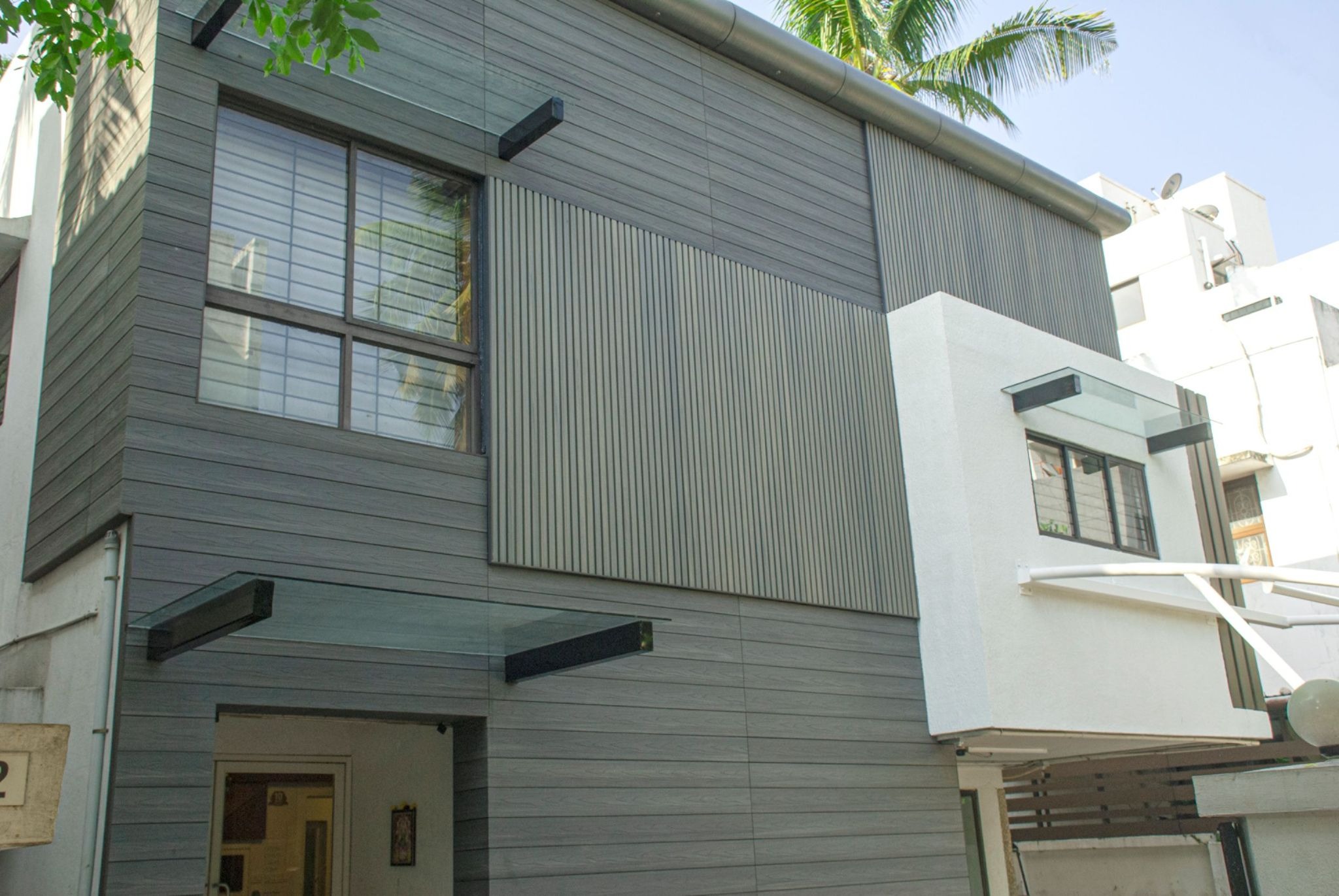
Exterior design plays a crucial role in defining a home’s character. With wpc exterior wall cladding, homeowners can achieve a modern and sophisticated look while protecting their structures from environmental damage.
WPC cladding panels are available in various styles and finishes, allowing for creative architectural designs. They provide excellent insulation, helping to regulate indoor temperatures and improve energy efficiency.
In addition to aesthetics, WPC cladding acts as a protective layer against moisture, UV rays, and pollutants. This makes it an ideal choice for both residential and commercial buildings seeking a balance between beauty and functionality.
5. Versatile Applications in Home Décor
WPC materials are not limited to decking and cladding—they offer versatile applications across various areas of home décor. From garden fences and pergolas to indoor wall panels and furniture, WPC products can be used to create cohesive design themes throughout the home.
Their adaptability allows homeowners to experiment with different styles, whether modern, rustic, or minimalist. The consistent appearance of WPC materials ensures a polished and unified look across all spaces.
Moreover, the availability of customizable options enables homeowners to tailor designs according to their specific needs and preferences.
6. Choosing the Right WPC Manufacturer
Selecting a reliable manufacturer is crucial to ensuring the quality and longevity of WPC products. A reputable manufacturer will offer high-quality materials, advanced production techniques, and a wide range of design options.
For those interested in learning more about premium WPC composite solutions, it is worth exploring trusted manufacturers in the industry. They provide detailed product information, installation guidance, and customer support to help homeowners make informed decisions. For more details and product offerings.
A good manufacturer not only delivers superior products but also contributes to sustainable practices, ensuring that your home improvement project aligns with environmental goals.
Conclusion
WPC composite materials are redefining the way homeowners approach outdoor living and home décor. With their combination of durability, sustainability, and aesthetic appeal, they offer a superior alternative to traditional building materials.
From decking to wall cladding, WPC products provide versatile solutions that enhance both functionality and design. Their eco-friendly nature makes them an ideal choice for those looking to reduce their environmental footprint while upgrading their living spaces.
As the demand for sustainable home improvement solutions continues to grow, WPC materials are set to play a significant role in shaping the future of modern homes. By choosing high-quality products and reliable manufacturers, homeowners can create beautiful, long-lasting spaces that reflect both style and responsibility.