Kitchen Upgrading Advice Mintpalment: Plan Your Kitchen Upgrade Without Stress
A kitchen upgrade feels stressful mainly when it is started without a plan. Orders arrive in the wrong order, the room is unusable for weeks, and costs drift upward with every small change. The cure is not a bigger budget but a clearer sequence: decide what stays, measure everything, order in the right order, and keep a simple kitchen running while the work happens. Sensible kitchen upgrading advice mintpalment is really a timetable with a budget attached, and it protects both your money and your patience.
Kitchen Upgrading Advice Mintpalment: Measure Twice, Order Once
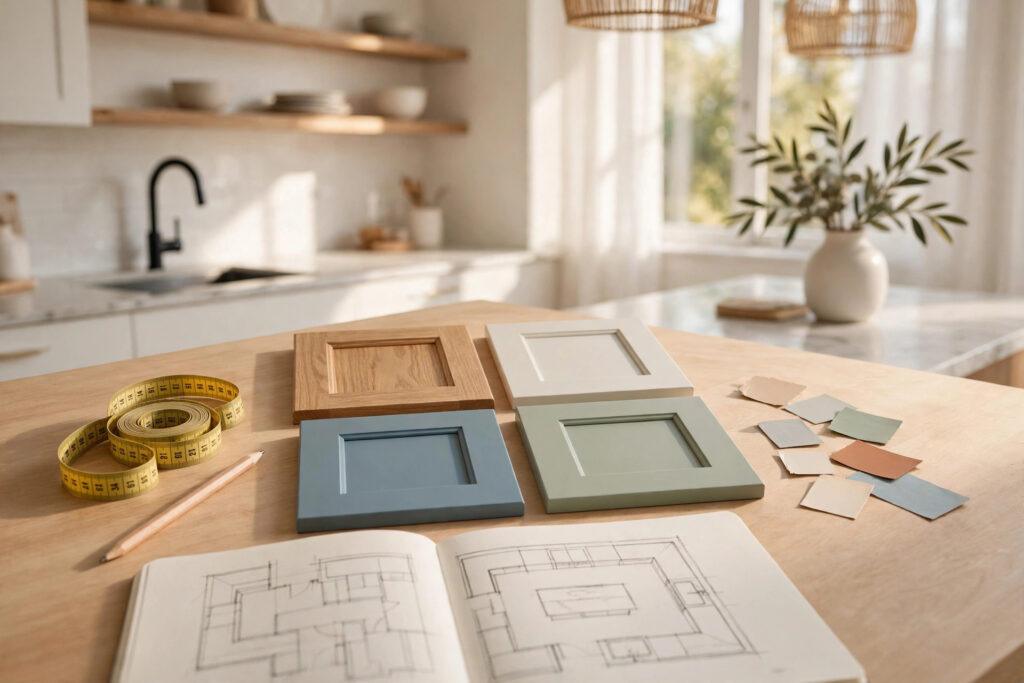
Everything in a kitchen depends on measurements, so take them early and write them down. Measure the room in three places for length and height, because walls are rarely straight. Note the positions of doors, windows, sockets, pipes and radiators, and measure every appliance including the delivery route through the house. Sketch the layout on paper with these numbers marked, and carry the sketch when you shop. A common and expensive error is ordering cabinets or appliances that fit the showroom but not the doorway. Good measurements also make quotes comparable, because every tradesperson is pricing the same job.
Decide What Stays and What Goes
Not everything in a kitchen needs replacing. If the cabinet carcasses are solid and square, new doors, hinges and handles can give you a new kitchen at a fraction of the cost. If the worktop is worn but the base is sound, a new top alone can lift the room. List each element — cabinets, worktop, sink, tap, appliances, flooring, lighting — and mark it keep, refresh or replace. This stops you paying for a whole new kitchen when only two or three parts are tired. It also reduces waste and disruption, since less is ripped out. Our guide to small upgrades that make a big difference at home shows how far a refresh can go before replacement becomes necessary.
The Right Order of Work
Work in this order and you will avoid most kitchen stress. First, fix anything structural: leaks, damp, wiring and plumbing. Second, do the dusty work: plastering, flooring and any building changes. Third, fit cabinets and worktops. Fourth, install the sink, tap and appliances. Fifth, paint and finish, and choose handles and accessories last, when you can see the real colours in the real light. Agree dates in writing and allow a few days of slack between trades, because a delay in one job should not collapse the whole timetable. Our guide on planning a renovation without the stress explains this sequencing in more detail for larger projects.
Living Without a Kitchen for a While
Even a well-planned upgrade leaves you without a full kitchen for days or weeks, so plan for it. Set up a temporary kitchen in another room with a kettle, a microwave or slow cooker, a washing-up bowl and the few plates and pans you use most. Stock simple meals, paper towels and washing-up liquid, and agree who cooks and who cleans while the room is out of action. Protect the floors on the route the tradespeople use, and agree where materials will be stored so the house does not fill with boxes. Keep one small table clear for eating, even if it is in the living room.
Storage, Layout and the Work Triangle
A kitchen works when the sink, hob and fridge sit in a loose triangle with clear worktop between them. That simple shape cuts down on steps and keeps hot pans away from walkways. Storage should follow the same logic: everyday plates near the dishwasher, pans near the hob, food near the prep area. Deep drawers beat deep cupboards for heavy items, because you can see everything without crouching. Add pull-out shelves for corner cupboards and a tall larder for dry goods if space allows. For more on choosing the furniture that sits beside the kitchen, read our guide on choosing the right dining set. A layout that follows your habits will feel right from the first day.
Choosing Materials That Last
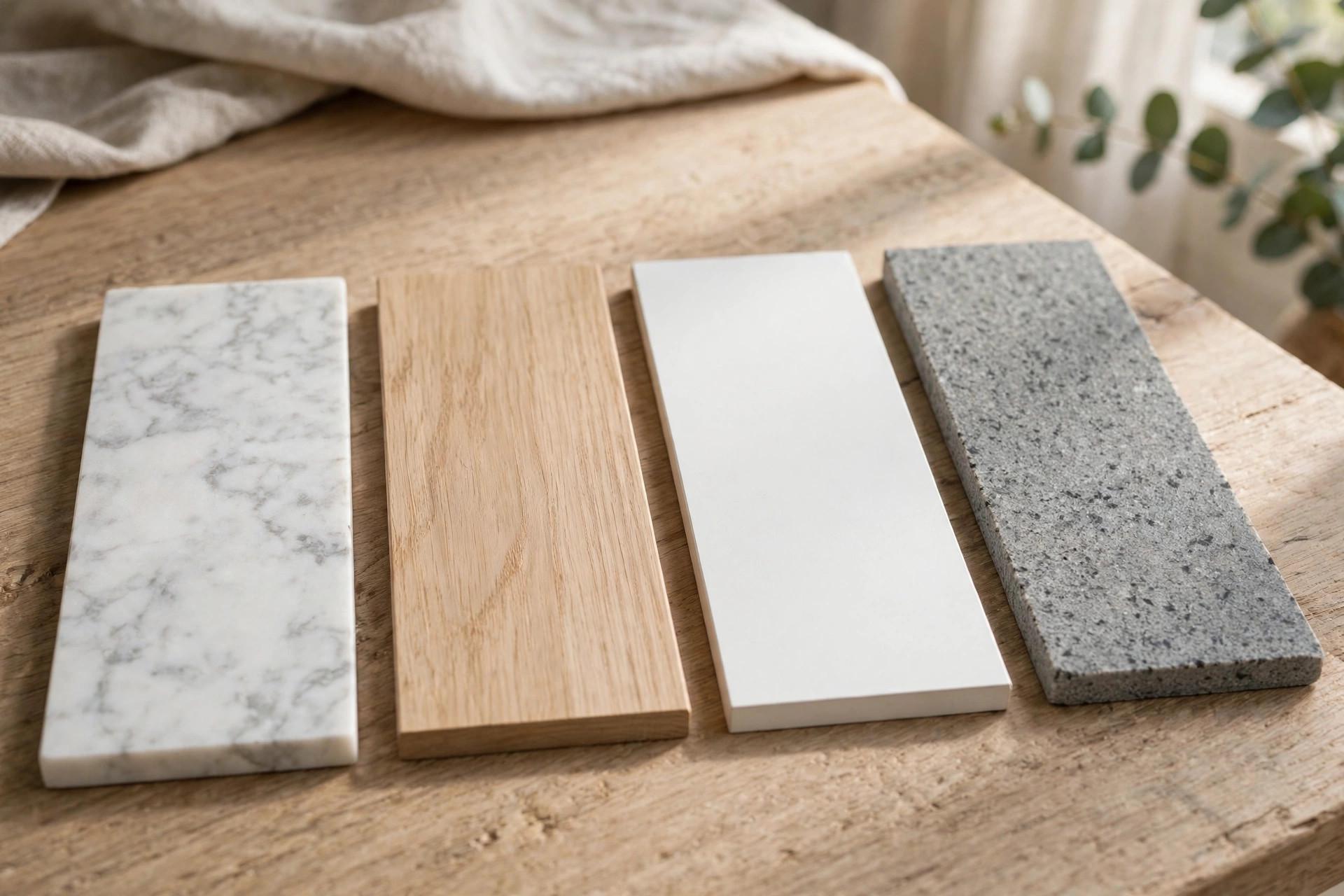
Kitchen materials take daily punishment from heat, water, knives and cleaning products, so choose for durability first. Worktops should resist stains and heat; flooring should cope with spills and dropped pans; paint should be wipeable. Ask suppliers for samples and test them at home: spill coffee, wipe them down, and look at them in morning and evening light. Check cleaning instructions before you buy, because a surface that needs special care will not stay looking good in a busy house. Matching materials matter too — too many competing finishes make a small kitchen feel busy, while two or three calm materials keep it settled. Our home upgrade guide has more on matching finishes across the house so the kitchen feels part of the home, not a separate showroom.
Costs, Quotes and the Final Check
Get at least two written quotes for fitted work, and make sure each one lists the same items so you can compare fairly. Ask what is included — delivery, fitting, removal of old units, plumbing and electrics — because the cheapest headline price often leaves the most out. Agree stage payments rather than paying everything upfront, and keep a final payment back until the snagging is done. Before you sign anything off, walk the finished kitchen with your original list: every door and drawer, every light, every tap and socket. Test them all. Small faults found now are fixed quickly; found later, they become arguments. Our simple home hacks collection includes checks worth doing before you pay the final bill, our room-by-room repair guide covers the upkeep checks, and our guide to finding good deals can help with the finishing touches.
Conclusion
A calm kitchen upgrade is a planned one: measure carefully, keep what is sound, work in the right order, and live around the disruption instead of fighting it. Spend on layout, storage and durable surfaces, and let paint and handles come last. That is the whole of good kitchen upgrading advice mintpalment in one sentence — plan first, buy once, and check everything before the final payment. Do that and the finished kitchen will feel like it was always meant to be there. For the next step, read our companion piece on smart ways to upgrade your kitchen, our guide to upgrades that change how your home feels and practical advice for every room.