
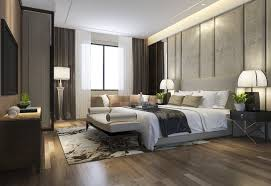
Walk into any successful café, boutique hotel, or modern office lounge today, and one thing becomes immediately clear: people remember how a space makes them feel. It’s no longer enough to simply fill a room with tables and chairs. Businesses are investing in experiences — and furniture plays a major role in creating them.
For hospitality brands especially, furniture has become part of visual storytelling. The texture of a dining chair, the layout of a waiting area, and even the color palette of a restaurant booth contribute to how customers perceive a business. In a competitive market, thoughtful interior choices can quietly communicate professionalism, creativity, comfort, and trust before a single word is spoken.
In today’s visually driven world, branding and interior design are becoming more connected than ever. A strong visual identity often starts long before customers sit down in a restaurant or hotel lobby. Many business owners now use tools like AI logo generators to quickly explore branding concepts that align with their interior aesthetics and target audience. When furniture design and branding work together seamlessly, the result is a space that feels intentional, memorable, and emotionally engaging.
Why Furniture Matters More Than Ever
Furniture used to be viewed mostly as a practical purchase. Restaurants needed seating. Hotels needed beds. Offices needed desks. But modern consumers expect more than functionality.
People share spaces online constantly. Instagram-worthy cafés, elegant hotel lounges, and stylish coworking spaces attract attention because they create a recognizable atmosphere. Furniture helps define that atmosphere.
For example, a minimalist Scandinavian café may use soft wood finishes, curved seating, and neutral tones to create calmness. Meanwhile, an upscale steakhouse might choose darker woods, leather textures, and dramatic lighting to evoke sophistication and exclusivity.
Furniture becomes part of a business’s personality.
That’s one reason hospitality businesses are increasingly partnering with experienced manufacturers who understand not only durability and comfort but also aesthetic storytelling.
The Psychology Behind Interior Design
Good furniture design influences human behavior in subtle but powerful ways.
Comfortable seating encourages guests to stay longer. Strategic layouts improve traffic flow. Warm textures make spaces feel inviting, while clean modern lines create a sense of efficiency and professionalism.
Even spacing matters. Tables placed too close together can create stress. Seating that lacks ergonomic support may shorten customer visits. On the other hand, thoughtfully designed environments increase satisfaction and encourage repeat business.
Hotels understand this particularly well. The moment guests enter a lobby, they begin forming emotional impressions. Plush seating, carefully selected materials, and harmonious design elements contribute to feelings of luxury, safety, and relaxation.
Restaurants also benefit from intentional furniture choices. Booth seating can create intimacy, while communal tables encourage social interaction. Outdoor furniture selections influence whether customers view a patio as casual, upscale, or family-friendly.
Custom Furniture Is Becoming a Competitive Advantage
More businesses are moving away from generic furniture solutions and investing in customized pieces tailored to their brand identity.
Custom furniture offers several advantages:
- Better alignment with interior themes
- Improved space optimization
- Enhanced customer experience
- Greater durability for commercial use
- Stronger brand differentiation
For example, a boutique hotel may commission custom lounge chairs that match its coastal-inspired aesthetic. A modern coffee shop may use bespoke wooden tables designed specifically for compact urban layouts.
These details matter because customers notice consistency. When every visual element feels connected, businesses appear more polished and trustworthy.
Sustainability Is Influencing Design Decisions
Sustainability has become a major factor in commercial furniture purchasing decisions.
Customers increasingly appreciate businesses that prioritize environmentally responsible materials and ethical manufacturing practices. As a result, many hospitality brands are seeking furniture made from sustainable wood sources, recyclable materials, and low-emission finishes.
Durability is also part of sustainability. High-quality furniture that lasts longer reduces waste and lowers long-term replacement costs.
Manufacturers that focus on craftsmanship and material quality are gaining attention because businesses want furniture that maintains both appearance and performance under heavy daily use.
Balancing Style and Practicality
One of the biggest challenges in hospitality furniture design is balancing aesthetics with functionality.
A beautiful chair that becomes uncomfortable after twenty minutes can negatively affect customer satisfaction. Likewise, trendy materials that wear down quickly may hurt a business financially.
Successful furniture selection usually comes down to asking practical questions:
- Will this material withstand heavy traffic?
- Is the seating comfortable for extended use?
- Does the design complement the brand identity?
- Is maintenance manageable for staff?
- Will the furniture still look relevant in five years?
The best hospitality spaces combine visual appeal with long-term practicality.
How Digital Trends Influence Physical Spaces
Interestingly, online branding trends are influencing offline furniture design choices more than ever before.
Businesses now design interiors with digital visibility in mind. Spaces are created to photograph well, encourage social sharing, and support brand recognition across online platforms.
Color coordination, lighting, textures, and furniture arrangement all contribute to a space’s digital appeal. Customers often discover restaurants, cafés, and hotels online before ever visiting in person.
This shift means furniture is no longer just part of interior décor — it’s part of marketing.
A visually distinctive dining area can become instantly recognizable on social media. A unique hotel lobby can strengthen online branding efforts without traditional advertising.
Investing in Customer Experience
At its core, hospitality furniture is about experience.
People may not consciously remember the exact table design or upholstery fabric, but they remember how comfortable they felt, how relaxed the environment seemed, and whether the atmosphere matched the brand promise.
That emotional connection drives loyalty.
Businesses that invest thoughtfully in furniture often see benefits beyond aesthetics. Better customer experiences can lead to stronger reviews, increased social sharing, repeat visits, and improved brand perception.
In highly competitive industries like hospitality and food service, those small details often become the deciding factor between an average experience and a memorable one.
Final Thoughts
Modern hospitality design is no longer just about filling a room with functional pieces. Furniture, branding, and customer experience are deeply interconnected. Every chair, table, and lounge area contributes to how customers perceive a business and whether they choose to return.
As hospitality spaces continue evolving, businesses that combine thoughtful branding with high-quality furniture design will stand out more naturally. The goal isn’t simply to create attractive interiors — it’s to create environments where people feel comfortable, inspired, and connected.
That’s what transforms ordinary spaces into memorable destinations.