
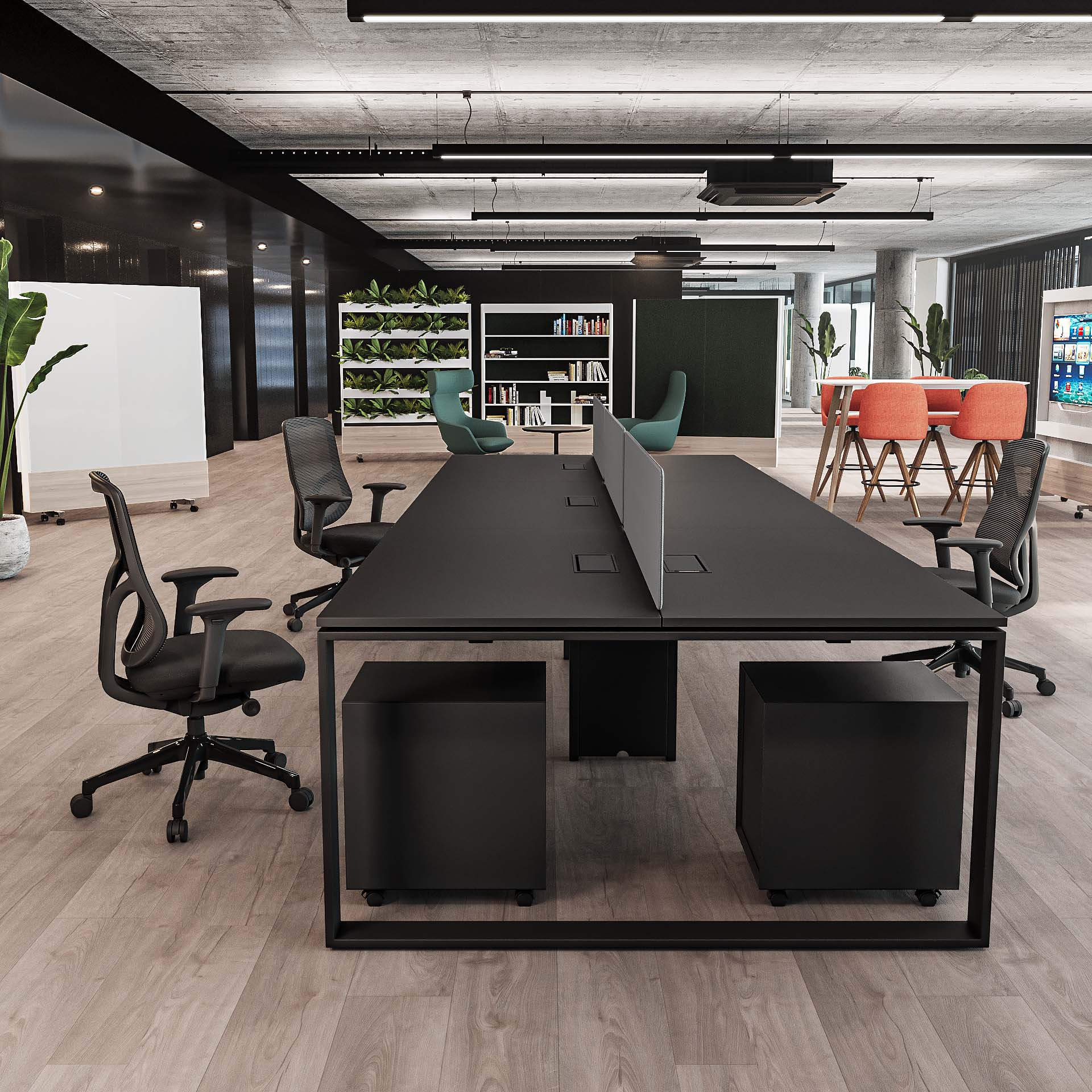
A Shift in How Offices Are Designed
In recent years there has been a considerable shift in the debate about workplace furniture. What was considered a basic operational necessity is now viewed as a strategic investment, with companies increasingly collaborating with established suppliers like Urban 411 office furniture in Dubai and Abu Dhabi to create workspaces that offer a blend of functionality, comfort, and long-term value. Furniture no longer is selected merely on price or aesthetics, it affects how effectively teams perform.
This change is in line with changing work patterns. The rise of hybrid work, flexible teams and technology-driven workflows has led to a need for smarter, more responsive office settings.
The Rise of Ergonomic Priorities
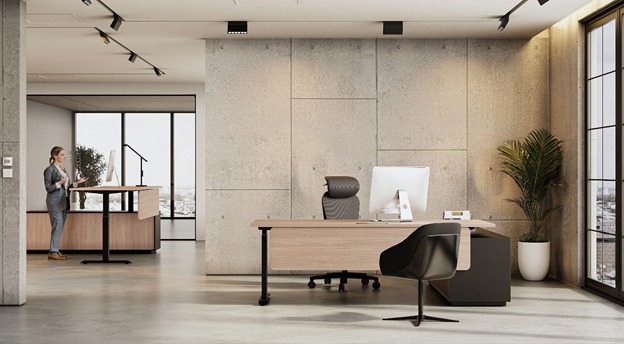
One of the most noticeable trends is the growing focus on ergonomics. Organizations are becoming increasingly aware of how furniture impacts employee health and productivity.
Key Ergonomic Developments
- Chairs designed with advanced lumbar support
- Sit-stand desks that encourage movement throughout the day
- Workstations that support proper posture and reduce strain
Premium ergonomic furniture is no longer normal in modern businesses, it is quickly becoming standard.
Modular Workstations and Flexible Layouts
Flexibility has become a defining characteristic of contemporary workspace design. Businesses are moving away from fixed layouts and investing in modular systems that can evolve with their needs.
Why Modular Systems Are in Demand
- Easy reconfiguration for growing teams
- Efficient use of available space
- Adaptability for different work styles
This approach allows companies to future-proof their office environments without frequent large-scale changes.
Integration of Technology in Furniture Design
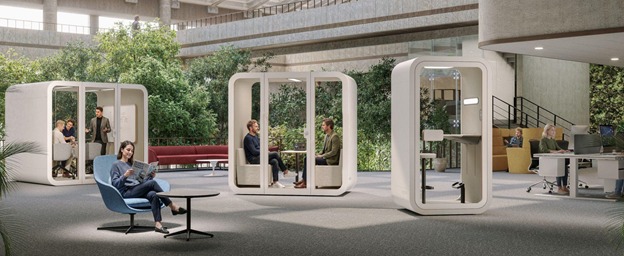
As workplaces become increasingly digital, office furniture is being designed to support seamless technology integration.
Features Driving This Trend
- Built-in cable management systems
- Desks designed for multi-device setups
- Integrated power and connectivity solutions
These features help maintain clean, organized workspaces while supporting complex digital workflows.
A More Refined Approach to Aesthetics
Functionality is still the emphasis, but visual design is also crucial. Modern offices are embracing clean lines, neutral tones and simple layouts which provide a professional yet comfortable ambiance.
This blend of aesthetics and usability is part of a bigger trend toward productive but pleasant workspaces.
The Growing Importance of Space Planning
Furniture selection alone is no longer enough—how it is arranged within a space is equally important.
Effective office space planning considers:
- Workflow efficiency
- Movement within the office
- Balance between collaborative and private areas
Businesses are increasingly seeking structured approaches to ensure their office layout supports both operations and employee experience.
In markets such as the UAE, this has led to a greater reliance on experienced suppliers like Urban 411 office furniture, known for combining workstation systems with practical space planning strategies that align with modern business requirements. Their approach reflects a broader industry movement toward integrated solutions rather than standalone products.
Sustainability and Long-Term Value
Sustainability is becoming a key consideration in office furniture decisions. Companies are focusing on durability, material quality, and long-term usability rather than short-term savings.
Key Sustainable Practices
- Choosing long-lasting materials
- Investing in modular systems to reduce waste
- Designing offices that can adapt over time
This approach supports both environmental responsibility and cost efficiency.
What Businesses Are Looking for in 2026
The expectations around office furniture have become more defined. Businesses are prioritizing solutions that offer:
- Comfort for extended use
- Flexibility for changing needs
- Compatibility with modern technology
- Professional and clean aesthetics
These priorities highlight a shift toward more thoughtful and strategic workspace design.
Final Thoughts
Office furniture trends in 2026 reflect a deeper understanding of how the work environment influences both performance and wellbeing. It’s no longer just about filling a space with desks and chairs, it’s about creating setups that genuinely support how people work every day.
As the industry continues to evolve, the role of experienced suppliers is becoming more important. Businesses are looking for partners who can bring together ergonomic design, flexible workstation systems, and practical space planning to shape workspaces that are built for long-term use.
 Ali
Ali