
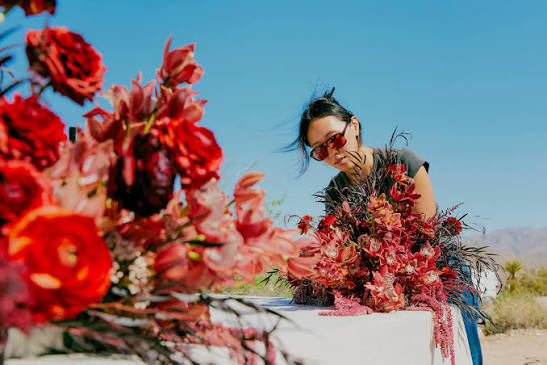
Wedding flowers help establish the atmosphere of the entire celebration, from the ceremony aisle to the reception tables. While roses, peonies, and lilies often receive much of the attention, carnations offer a versatile alternative that can suit everything from a relaxed garden wedding to a sophisticated formal reception. Their layered petals, broad color range, and dependable appearance make them especially useful when a couple wants beautiful floral arrangements across multiple areas of the venue.
When planning flowers for a wedding, buying carnations in bulk can also make it easier to create a consistent floral theme throughout the event. Having a larger quantity available gives florists and couples greater flexibility when designing bouquets, centerpieces, aisle decorations, and other arrangements.
Carnations are also available in many shades, allowing them to complement almost any wedding palette. From soft blush and white to deep red, coral, lavender, and vibrant pink, they can be selected to match the season, venue, attire, and overall decorative style.
Why Carnations Work So Well for Weddings
Carnations have several qualities that make them particularly suitable for wedding flowers. Their full, ruffled blooms add visual volume without requiring an enormous number of individual stems. This makes them useful when arrangements need to look abundant and balanced.
Their shape is another advantage. Unlike flowers with very open or delicate forms, carnations have compact blooms that can create a dense appearance. They can be grouped together for a dramatic effect or combined with other flowers to provide texture and structure.
Another reason couples consider carnations is their versatility. They can be used in both traditional and contemporary arrangements. With the right combination of colors and complementary greenery, the same flower can look romantic, modern, rustic, or classic.
A Wide Range of Colors
Color is one of the strongest features of carnations. Couples can choose a single shade for a coordinated design or combine several tones for a layered effect.
Popular wedding colors include:
- White for classic and timeless arrangements
- Blush pink for romantic celebrations
- Red for dramatic and traditional weddings
- Peach and coral for warm spring or summer palettes
- Lavender for soft and elegant designs
- Burgundy for autumn and evening weddings
- Two-tone combinations for a more creative appearance
Choosing colors that complement the wedding dress, bridesmaid outfits, table linens, and venue decorations can help create a unified visual theme.
Carnation Wedding Bouquets
A bridal bouquet is one of the most photographed floral details of a wedding, so flower selection matters. Carnations can form the main body of a bouquet or serve as supporting flowers alongside roses, eucalyptus, baby’s breath, daisies, or other seasonal blooms.
A bouquet made entirely from carnations can have a lush and rounded appearance. For a more varied design, carnations can be combined with flowers that have different petal shapes. The contrast between ruffled carnation blooms and more open flowers can create depth.
Choosing the Right Bouquet Style
The bouquet style should reflect the overall wedding design. A compact round bouquet can work well for a traditional ceremony, while a loose arrangement with greenery can create a relaxed garden-inspired appearance.
For modern weddings, monochromatic carnations can provide a clean and sophisticated look. Couples who prefer a more colorful arrangement can combine complementary shades while keeping the greenery relatively simple.
Carnations for Ceremony Decorations
The ceremony space often provides the first major opportunity to introduce the wedding’s floral theme. Carnations can be incorporated into aisle arrangements, entrance displays, floral arches, chair decorations, and welcome areas.
For an aisle, small clusters of carnations can be attached to chairs or placed along the edges of the walkway. Larger arrangements can be positioned at the entrance or near the altar to create a stronger focal point.
Carnations can also work effectively in floral arches. Their dense blooms can help fill spaces between larger statement flowers and greenery, producing a fuller appearance without making the design look overly complicated.
Decorating the Wedding Arch
A wedding arch usually serves as the visual centerpiece of the ceremony. Carnations can be used throughout the structure or concentrated in specific sections.
For example, a floral installation can feature a larger cluster at one corner with flowers gradually becoming lighter toward the opposite side. This asymmetrical approach can create a contemporary look while still maintaining plenty of floral volume.
Carnations in Wedding Centerpieces
Reception tables are another area where carnations can make a strong contribution. Because the blooms have substantial visual volume, they can be arranged in low bowls, glass vases, ceramic containers, or decorative vessels.
Low centerpieces are especially useful when guests need to see and speak to one another across the table. Carnations can be trimmed to create compact arrangements that remain visually interesting without becoming too tall.
For long banquet tables, several small arrangements can be placed at regular intervals instead of using one large centerpiece. This creates a balanced appearance and allows the floral design to extend across the entire table.
Mixing Carnations With Other Flowers
Carnations do not have to be used alone. Pairing them with flowers of different shapes can make an arrangement more dynamic.
Consider combining carnations with:
- Roses for a traditional romantic appearance
- Baby’s breath for a delicate and airy effect
- Eucalyptus for a natural, contemporary style
- Daisies for a cheerful garden-inspired arrangement
- Hydrangeas for additional volume
- Seasonal greenery for texture and contrast
The key is to create visual balance rather than simply adding as many flower varieties as possible.
Seasonal Wedding Ideas
Carnations can adapt to different seasons because of their broad color selection and flexible design possibilities.
Spring Weddings
Spring celebrations often benefit from soft shades such as blush, peach, white, and lavender. Carnations can be combined with delicate greenery and other seasonal flowers to create a fresh appearance.
Summer Weddings
Summer weddings provide an opportunity to use brighter colors. Coral, pink, red, and vibrant mixed shades can bring energy to outdoor ceremonies and reception spaces.
Autumn Weddings
For fall celebrations, deeper shades such as burgundy, red, peach, and warm pink can complement seasonal décor. Adding foliage in earthy tones can make the arrangements feel naturally connected to the season.
Winter Weddings
White carnations can create an elegant winter-inspired atmosphere. They can be paired with greenery, metallic decorative details, or darker accent flowers to create contrast.
How to Plan the Quantity of Wedding Flowers
Determining how many flowers are needed requires more than simply estimating the number of guests. The quantity depends on the number and size of arrangements throughout the event.
Start by making a complete list of floral requirements. This might include the bridal bouquet, bridesmaid bouquets, boutonnieres, ceremony arrangements, table centerpieces, cake flowers, entrance decorations, and other displays.
It is helpful to separate essential arrangements from optional ones. This makes it easier to prioritize flowers for the most visible areas of the wedding.
Factors That Affect Quantity
Several factors can influence how many carnations are required:
- Number of guests and tables
- Size of each centerpiece
- Number of attendants
- Ceremony decoration requirements
- Bouquet size
- Floral arch dimensions
- Amount of greenery being used
- Design style and desired fullness
A florist can help estimate stem requirements based on the specific arrangements being created.
Caring for Carnations Before the Wedding
Proper preparation is essential for keeping flowers looking fresh. Once carnations arrive, they should be handled carefully and placed in clean containers with suitable water.
The stems can be trimmed at an angle to improve water uptake. Leaves that would sit below the waterline should generally be removed because they can contribute to water becoming less clean.
Flowers should be kept in an appropriate cool environment away from direct sunlight, excessive heat, and strong drafts. Regularly checking the water and condition of the stems can also help maintain freshness before the arrangements are assembled.
Creating a Cohesive Wedding Floral Design
One of the biggest advantages of carnations is their ability to appear in multiple parts of the wedding without making every arrangement look identical.
For example, the bridal bouquet might use white carnations with greenery, while reception tables feature blush carnations mixed with roses. Ceremony arrangements could use a combination of white and blush flowers. Although the individual designs differ, the shared color palette keeps the overall wedding visually connected.
This approach creates consistency without excessive repetition.
Final Thoughts
Carnations offer wedding planners and couples an adaptable floral option with plenty of room for creative styling. Their ruffled blooms provide fullness, their colors can complement many wedding palettes, and their flexible form allows them to appear in bouquets, centerpieces, ceremony installations, and decorative details.
Whether the celebration is intimate or large, traditional or contemporary, carefully selected carnations can contribute texture and visual balance throughout the venue. Thoughtful color selection, proper preparation, and a clear floral plan can turn these versatile blooms into an important part of a memorable wedding design.
Choosing carnations for weddings allows couples to build a cohesive floral style across bouquets, ceremony decorations, reception tables, and other details while adapting the arrangements to their preferred colors and overall wedding theme.
FAQs
1. Are carnations suitable for bridal bouquets?
Yes. Carnations can work very well in bridal bouquets because their layered petals create a full, rounded appearance. They can be used by themselves for a coordinated bouquet or combined with roses, greenery, baby’s breath, and other flowers. Their broad color selection also makes it easier to match different wedding themes.
2. What colors of carnations are popular for weddings?
White, blush pink, peach, coral, red, lavender, and burgundy are popular choices for wedding arrangements. The best color depends on the season and the overall wedding palette. Soft colors can create a romantic atmosphere, while darker or brighter shades can add contrast and make floral displays more visually striking.
3. Can carnations be used for wedding centerpieces?
Absolutely. Carnations are well suited to centerpieces because their dense blooms can create substantial visual volume. They can be arranged in low bowls, vases, or decorative containers. For a more varied appearance, carnations can be combined with greenery and flowers featuring different shapes and textures.
4. How can carnations be combined with other wedding flowers?
Carnations can be paired with roses, hydrangeas, daisies, baby’s breath, eucalyptus, and many types of greenery. Combining flowers with contrasting shapes can add depth and interest to an arrangement. Keeping the colors coordinated helps ensure that different flower varieties still look like part of the same overall wedding design.
5. How should carnations be cared for before a wedding?
Carnations should be placed in clean water and kept in a cool, suitable environment away from direct sunlight and excessive heat. Trimming the stems and removing leaves that would sit below the waterline can support better water uptake and cleaner water. Proper preparation helps maintain their appearance until arrangements are ready.