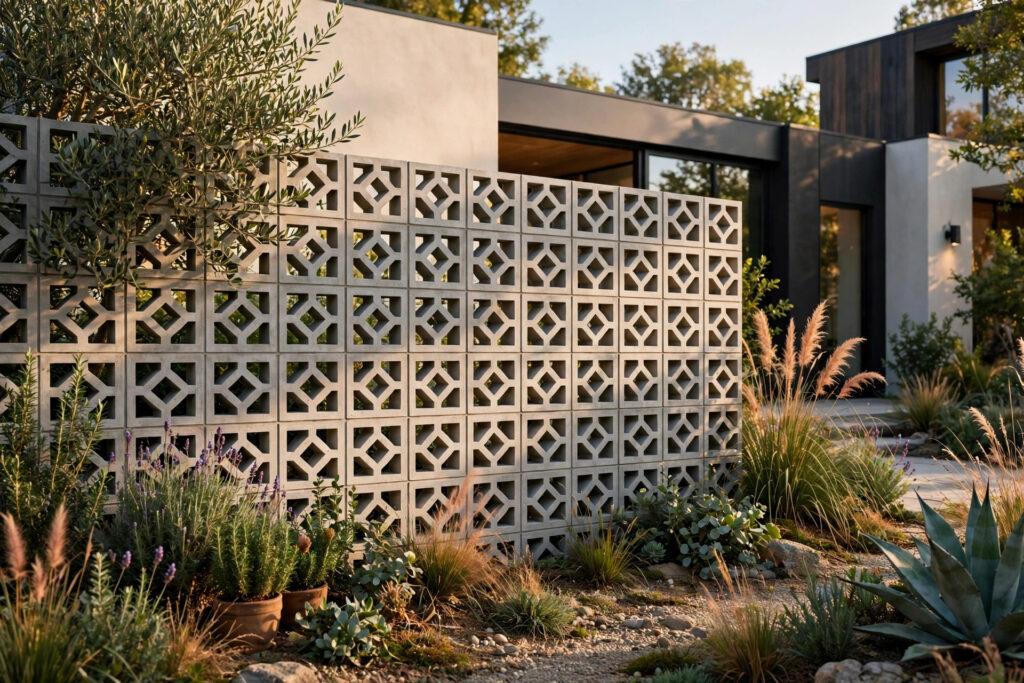
A plain garden wall, a bare patio edge, or a dull stretch of fence can make even a well-kept home feel unfinished. Decorative concrete blocks offer a simple way to fix that without a full rebuild. These sturdy, patterned units bring texture, shape, and character to outdoor spaces, and they work just as well for a low garden wall as they do for a raised bed or a feature column. Unlike plain grey units, patterned and coloured versions are made to be seen, so the structure itself becomes part of the design. They are affordable, widely available, and strong enough to last for decades with very little care. This guide explains the main styles, where each one works best, and how to plan a project that still looks good ten years later.
What Makes These Blocks Different
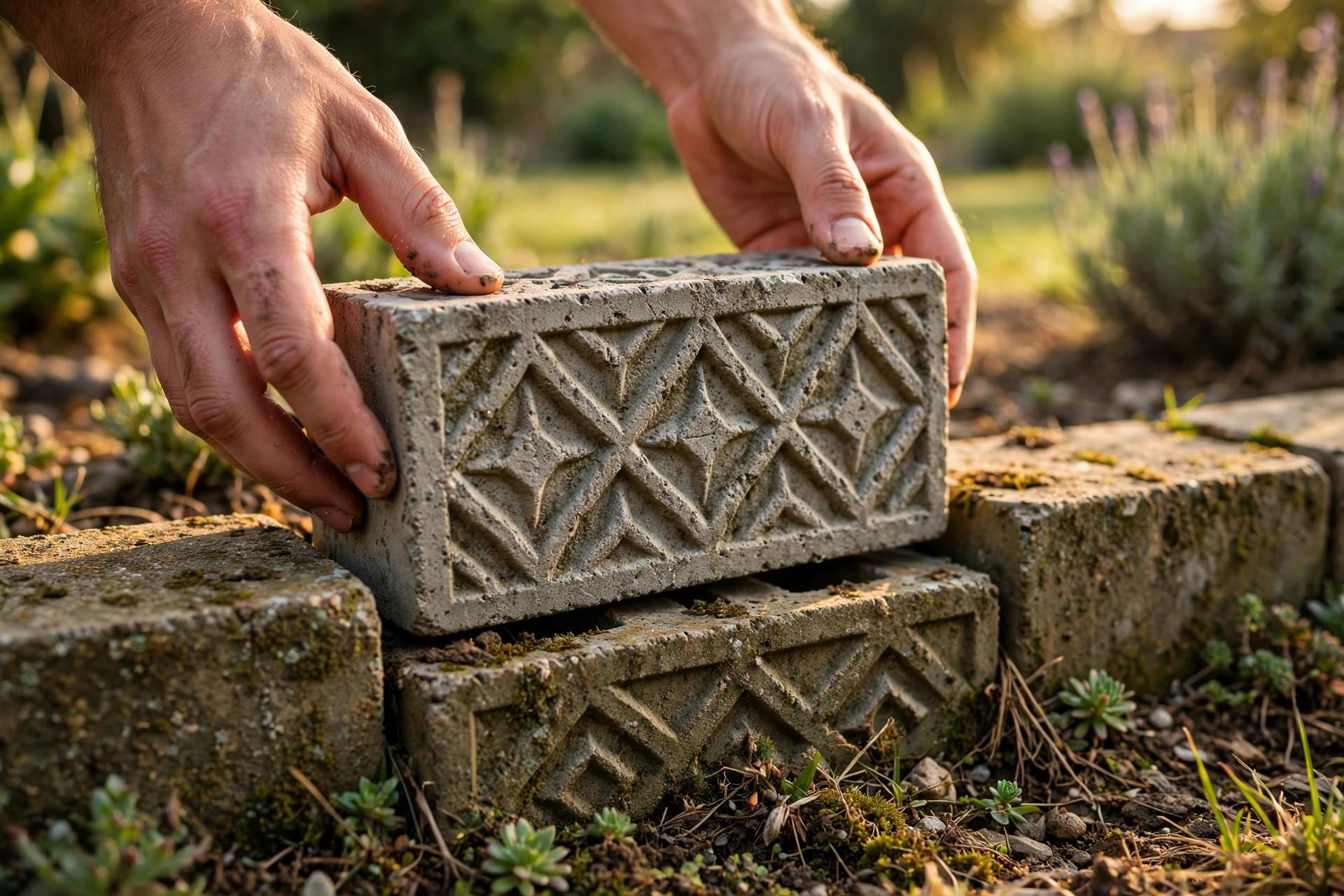
Ordinary building units are made to disappear behind render or paint, but patterned units are designed to be the finish itself. They come in a wide range of faces: split stone, smooth ashlar, basket weave, breeze-block grids, and bold geometric repeats that cast small shadows as the sun moves. Some are coloured right through the mix, so a chip or scratch does not reveal grey underneath, while others carry a surface stain or a textured face that mimics natural stone. Many ranges include matching half units, caps, and corner pieces so edges look finished rather than cut. Because the material is dense and weatherproof, it suits damp climates and needs no sealing in most gardens. Ask the supplier for a sample so you can see the true colour in daylight.
Choosing Decorative Concrete Blocks for Your Garden
Start with the job the wall has to do, because looks come second to strength. A low border around a flower bed needs only a light, single-skin build, while a retaining wall that holds back soil needs deeper footings, drainage behind it, and sometimes steel reinforcement, so check local building rules before you begin. Large, bold patterns suit wide gardens, while fine textures look better in a compact courtyard. Colour matters too. Warm sandstone and terracotta tones sit happily beside brick and timber, while cool greys suit modern homes with metal and glass. If your garden already has a clear style, match the new wall to it; our easy garden tips show how small choices keep a whole garden looking planned, and our yard transformation guide explains how one strong feature can lift an entire outdoor space.
Garden Walls, Borders and Planters
Garden walls are the most popular use, and a patterned wall can turn a boundary into a feature. A low wall of 600 to 900 millimetres marks a boundary without blocking light or views, and a flat cap stone on top gives you a handy shelf for pots. Raised planters built from the same units look deliberate and tidy, and they lift herbs and vegetables to a comfortable height for planting and picking. For patios, a short screen wall can hide bins or a compost area while still letting air through if you choose an open, breeze-block pattern. Our outdoor furniture and patio guide helps you plan seating beside a new wall, and our yard decoration ideas offer more ways to tie walls, planting, and furniture together.
Using Patterned Blocks Inside the Home
Decorative concrete blocks are not only for the garden. Indoors, they can frame a fireplace surround, build a breakfast bar, or form a half-height room divider that lets light through while marking out zones in an open-plan space. A feature wall of breeze blocks behind a staircase or in a hallway adds instant texture without paint or wallpaper, and the small gaps in open patterns keep the room feeling airy rather than boxed in. In kitchens and utility rooms, solid-faced units make a tough, wipeable base for worktops and shelving. Keep indoor use simple: one feature is enough. Pair the blocks with warm wood, soft textiles, and plain plaster, and avoid mixing two bold patterns in the same room. For more ways to refresh indoor spaces, see our small home upgrades and our interior home improvements guide.
Installation Tips for a Lasting Result
Good groundwork decides whether a wall lasts five years or fifty. Dig a trench, lay a level concrete footing, and let it cure fully before you start laying units, because a footing that moves will crack every course above it. Work with a string line and a spirit level, check every course, and keep joints even at around 10 millimetres. Mix mortar in small batches so it stays workable, and butter the ends of each unit fully so no gaps are left for water to enter. For walls above one metre, add reinforcement and drainage, and never build a tall freestanding wall without checking what your local rules allow. Wear gloves and eye protection, and ask for help moving pallets, since a single unit can weigh over 15 kilograms. Finish the space with seating and planters; our guide to finding the best furniture deals helps you time that purchase well.
Care, Cleaning and Long-Term Looks
One of the best things about these units is how little care they need. A yearly wash with a stiff brush and plain water removes most dirt, algae, and leaf stains, and a low-pressure wash works for stubborn marks, though you should keep the nozzle moving so it does not etch the face. Avoid harsh acids, which can bleach colour and weaken mortar joints. A breathable sealer applied every few years slows staining on pale colours. Check the coping stones each spring, since a loose cap lets water into the wall, and repoint any cracked joints before winter frost can widen them. With that small routine, a patterned wall keeps its colour and shape for decades, ageing gracefully instead of looking tired. Dress the same wall for a party with a festive summer look or a soft felt craft project, and try classic wall detail ideas indoors.
Conclusion
A well-chosen patterned wall does far more than mark a boundary: it adds texture, colour, and lasting structure to a garden or a home. Start with the job the wall must do, pick a pattern and colour that suit the house, and build on a proper footing so the result stands straight for decades. Decorative concrete blocks reward that care with very little maintenance, and they turn plain, forgotten corners into features you notice every day. Plan carefully, lay each course level, and enjoy the result.
Pingback: Decorative Wall Molding: Classic Detail That Transforms Plain Walls – Wahson Furniture