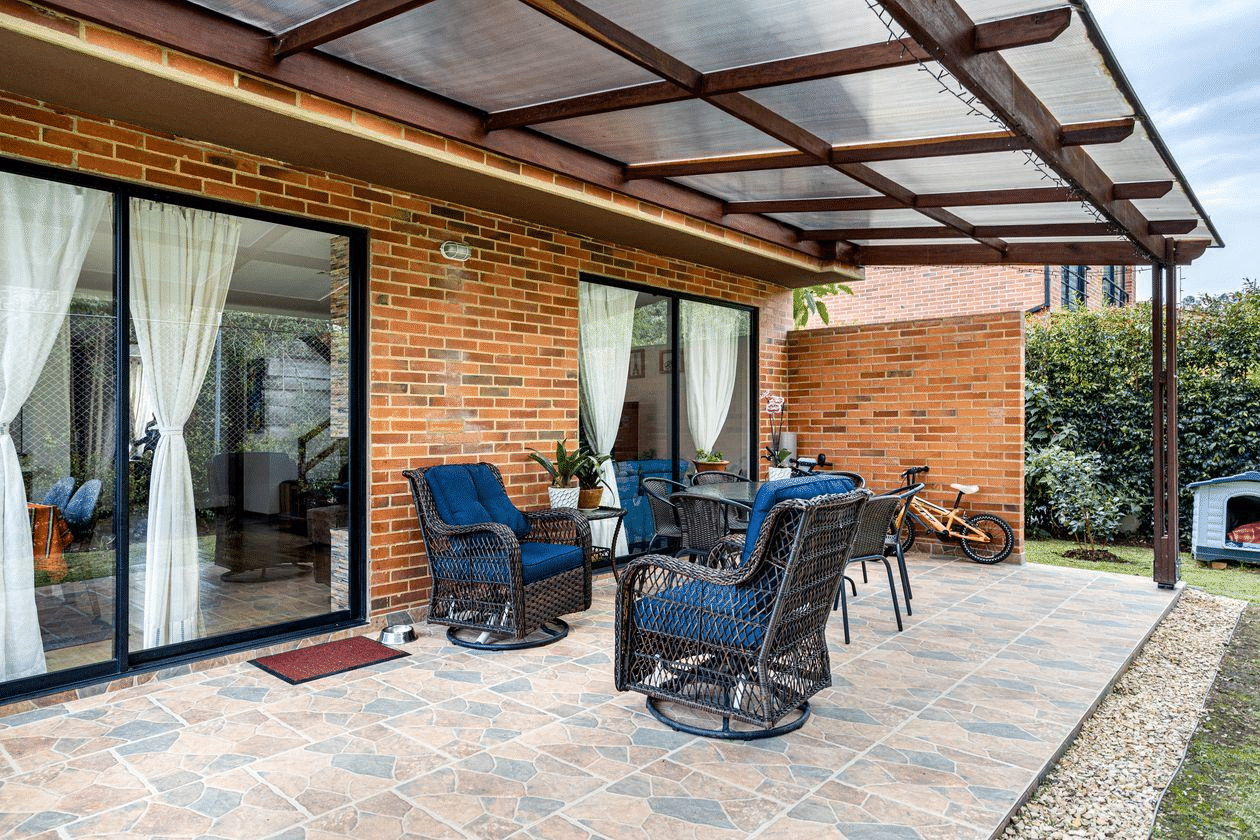
Australian weather doesn’t really care about your weekend plans. It’ll bake you one week, drench you the next, and by mid-July you’re inside wearing a hoodie, wondering why you ever paid for outdoor furniture. But the right setup – decent shelter, smart layout, a bit of upkeep – can make your outdoor space usable for most of the year. Not perfect, but genuinely usable.
What follows are some practical ways to get there, covering shelter options, design decisions, drainage, and the kind of maintenance that actually makes a difference.
Protective Solutions That Handle Sun, Wind, and Rain
Protection is the starting point. Without it, everything else is just decorating.
Retractable awnings and pergolas are worth looking at first because they give you options. Shade when you need it, open sky when you don’t. For something more permanent, retractable roof systems in Melbourne have become a popular choice – they let you seal the space off entirely when a storm comes through, then open it back up once it passes. It’s the kind of flexibility that makes outdoor areas actually earn their keep.
Shade sails and outdoor umbrellas are cheaper, but quality varies a lot. If your yard gets exposed to coastal wind or open-plain gusts, make sure whatever you buy is rated for it. A flimsy umbrella that inverts in a 30km/h breeze isn’t shade – it’s a hazard.
Furniture is part of the equation too. Powder-coated aluminium, teak, solution-dyed fabrics – these hold up. Standard pieces fade, warp, and go mildewy faster than you’d expect. And don’t underestimate what a well-placed hedge, fence, or timber screen can do. A decent windbreak changes how comfortable a space feels without adding any overhead structure at all.
Designing an Outdoor Space That Adapts to the Seasons
The spaces that work year-round are usually the ones that were planned with more than one season in mind. A shady spot in December can be miserable and exposed in July. Worth checking how sun and shadow move across your yard before you commit to a layout.
Breaking the space into zones helps. A covered dining area, an open lounging section, a sheltered spot for a fire pit – each one suits different conditions. When part of the space is uncomfortable, another part probably isn’t. That’s the goal.
Drainage tends to get skipped over in planning, then becomes obvious after the first big rain. Australia can go from bone dry to flooding in days, and without proper drainage – permeable paving, graded surfaces, channel drains – your patio ends up waterlogged and unusable. Material choices matter here too. Composite decking, stone pavers, and treated timber all handle UV and moisture better than cheaper options that look fine in the showroom and deteriorate fast outdoors.
Keeping Your Outdoor Space Functional All Year
Good design still needs attention. Before summer hits, check that your awnings and roof systems are actually working – a torn section of fabric or a stuck mechanism is a small fix in spring and a real problem during a heatwave.
Seasonal cleaning isn’t glamorous, but it adds up. Treating timber before summer, washing cushion covers, resealing surfaces before winter – it all extends the life of what you’ve put in. Getting ahead of the season is easier than scrambling once you’re already in it.
The habits that protect your investment don’t have to be complicated. Wipe furniture down occasionally. Check drainage after heavy rain. Store cushions when they won’t be used for a while. Small things, regularly done, keep you from facing bigger problems later.
Make Every Season an Outdoor Season
The weather isn’t going to get more predictable. But with solid shelter, a layout that works across seasons, and some routine upkeep, your outdoor space doesn’t have to sit unused for half the year. Pick one thing to improve – a shade solution, better drainage, more durable furniture – and go from there. It adds up faster than you’d think.