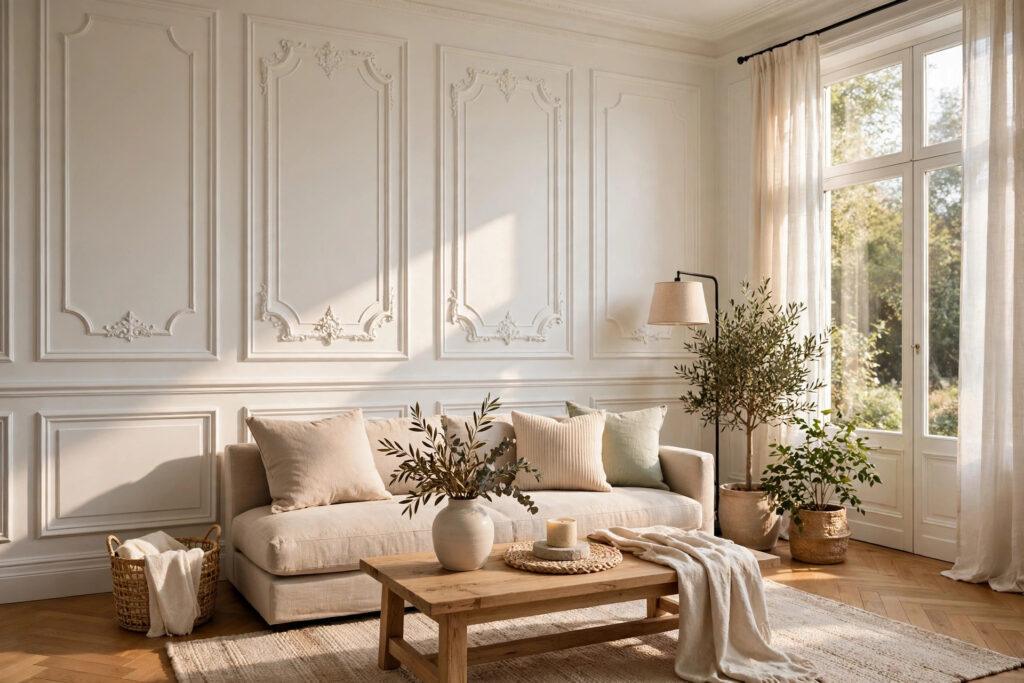
Plain walls can make even a well-furnished room feel unfinished. The furniture may be comfortable, the colours may be pleasant, and the lighting may be warm, yet something still feels missing. Decorative wall molding is often the detail that completes the room. It adds shape, shadow, and structure to a flat wall, giving it a finished, thoughtful look without a full renovation. From simple picture-frame panels to elegant wainscoting, molding can suit almost any home and budget. It is popular again today, because it offers a classic look that works with both traditional and modern interiors, and it can make a plain room feel more expensive.
What Is Decorative Wall Molding?
Wall molding is a strip of material fixed to a wall to create a decorative pattern. It can be made from wood, plaster, polyurethane, medium-density fibreboard, or flexible PVC. Wood is traditional and easy to paint, but heavy; polyurethane is light and moisture-resistant, which suits bathrooms and kitchens; plaster gives a fine finish but usually needs a professional.
There are many styles: picture-frame molding creates rectangles on the wall; wainscoting covers the lower part, usually up to about one metre high; chair rail runs horizontally at chair height; crown molding sits where the wall meets the ceiling; and baseboards run along the bottom. A house with high ceilings can handle wide, detailed molding, while a smaller home suits slimmer profiles. These interior home improvement ideas can help you plan a project that fits your home and budget.
Planning Your Design and Measuring the Wall
Good planning makes the difference between molding that looks professional and molding that looks uneven. Measure the wall carefully, including doors, windows, and sockets, and draw a simple sketch marking where each panel will go. Keep the spacing even, leaving at least 10 to 15 centimetres between a panel and a door frame, window, or wall edge.
Think about panel size: panels that are too small look fussy, while panels that are too large look empty. For a standard wall, panels about 60 to 90 centimetres wide and 120 to 150 centimetres tall often work well. Use several panels of the same size on a long wall, spaced evenly. Most molding is painted the same colour as the wall for a subtle look, or white on a coloured wall for a classic contrast. For more help, read these home improvement ideas and this guide to planning a renovation without stress.
Installing Molding: A Simple Step-by-Step Guide
Many homeowners install simple molding themselves with basic tools. You will need a measuring tape, a pencil, a spirit level, a mitre saw or a mitre box, adhesive or nails, filler, sandpaper, and paint. Start by marking the position of each panel on the wall with a pencil and a level. Double-check your measurements before you cut anything, because a small error will show clearly once the molding is on the wall.
Cut the molding at 45-degree angles for the corners, so the pieces meet neatly — practise on a spare piece first. Apply adhesive to the back, press it firmly against the wall, and use small nails to hold it while the adhesive dries. Work on one panel at a time, checking with a level. Once all pieces are fixed, fill gaps and nail holes, let the filler dry, sand it smooth, then paint with two thin coats. If you are not confident with cutting angles, or you are working with heavy plaster molding, consider hiring a carpenter.
Where to Use Molding in Your Home
In a living room, picture-frame panels behind a sofa or a television create a focal point and make the wall feel designed rather than empty. In a dining room, wainscoting or panel molding adds formality and makes the room feel special for meals and gatherings. If you are furnishing the room as well, read our guide to choosing the right dining set so the table and the wall panels work together. Pair the panels with dining room wall art above them for a layered, finished look.
In a bedroom, molding behind the bed can act as a headboard alternative. In a hallway, it adds interest to a long, narrow space. In a bathroom, moisture-resistant polyurethane molding adds elegance without damage from steam. Pair it with well-chosen pieces — learn how to spot vintage furniture quality if you are buying older furniture to match the classic look. For styling ideas, explore these simple ideas to refresh every room.
Painting, Colour, Costs, and Care
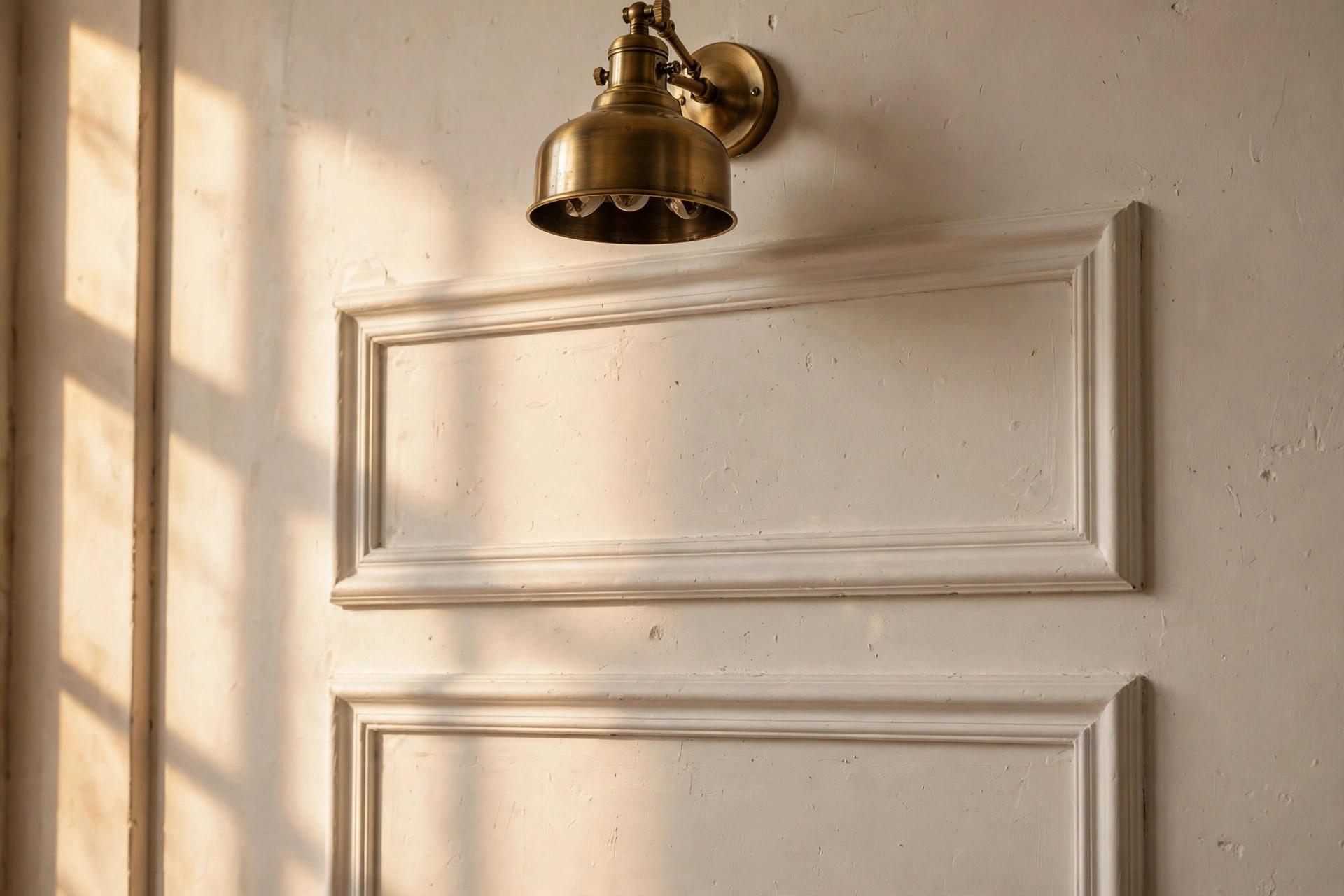
Paint is what turns plain molding into a design feature. The most popular choice is to paint the molding the same colour as the wall, using a slightly different finish — for example, a matt wall with a satin finish on the molding. That subtle difference in shine creates a gentle shadow and makes the panels visible without being loud. For a classic look, paint the molding white or cream against a coloured wall. The contrast makes the panels stand out and gives the room a crisp, finished feel. If your walls are already white, try painting the inside of each panel a soft colour, such as sage green, pale blue, or warm grey.
A picture light above a panel, a mirror hung inside a panel, or a console table below it can make the molding feel part of a larger design. A styling guide for a console table can help you choose objects that sit well below your new panels. Cost depends on material and whether you install it yourself: polyurethane and MDF are usually the most affordable, while solid wood and plaster cost more. For budget ideas, look at these interior decoration tips. Molding is easy to care for: dust it regularly and touch up chips with a small brush. Avoid hanging heavy objects directly from it, because it is decorative, not structural. For outdoor walls, consider decorative concrete blocks.
Conclusion
Decorative wall molding is a timeless way to give plain walls character and charm. It does not require a large budget or a major renovation, and it suits almost any style of home. Start with one wall, plan your panels, choose a material that suits the room, and take time with the finishing. The right decorative wall molding will make your room feel more finished and more like home. Whether you choose simple picture frames, classic wainscoting, or a bold painted panel, the result is a wall that looks designed, not just decorated — and a room you will enjoy every day.