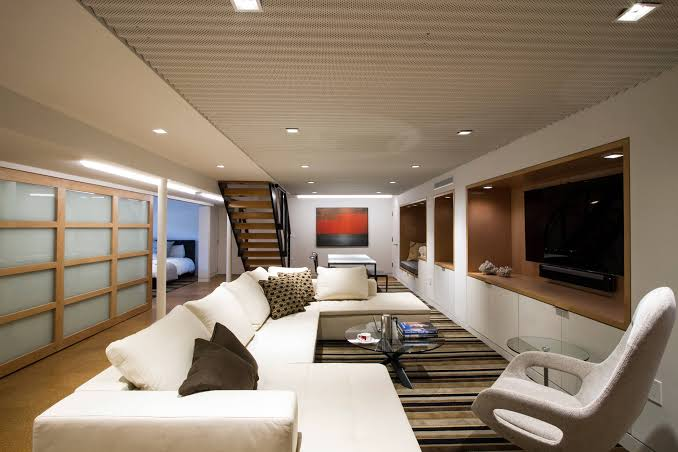
A luxury sofa can cost ten times as much as a similar-looking sofa from a high-street shop. Is that price justified, or are you paying for a name? Luxury furniture is not just about a high price. It is about materials, craftsmanship, comfort, and how long a piece will last. Some luxury pieces are worth every penny. Others are expensive because of branding alone.
This guide explains what to look for, how to tell real quality from marketing, and when a luxury piece is a good investment for your home.
What Luxury Actually Means
Luxury does not mean gold trim or a famous logo. It means a piece made with better materials, by people who take time over the details, and designed to last for decades rather than a few years.
A luxury chair will usually have a solid hardwood frame, not particleboard. Its joints will be glued, screwed, and dowelled, not just stapled. Its cushions will be filled with high-density foam, feathers, or a mix of both, and they will keep their shape after years of use. Its fabric or leather will be thicker, better dyed, and more resistant to fading.
Design matters too. A luxury piece is often designed by a named designer, and the proportions are considered carefully. A chair that looks right from every angle, and feels right when you sit in it, is not an accident. It is the result of testing and refining. That same attention to proportion shapes office furniture trends in 2026, where comfort and clean lines matter as much as looks.
Materials and Craftsmanship
The material is the first place to look. Solid oak, walnut, teak, and mahogany are hard, heavy, and expensive, but they will last for decades. A veneer over a solid core can be good, but a thin veneer over particleboard will chip and peel. Ask what is underneath the surface, not just what the surface looks like.
Leather should be full-grain or top-grain, not bonded leather. Full-grain leather is the top layer of the hide, and it ages well. Bonded leather is made from scraps glued together, and it will peel within a few years. Fabric should be tightly woven, with a high rub count. A rub count of 30,000 or more means the fabric will stand up to daily use. Ask the seller for the rub count. A good seller will know it.
Craftsmanship shows in the details. Look at the stitching. It should be even, straight, and tight, with no loose threads. Look at the joints. A dovetail joint, where the wood interlocks, is stronger than a simple butt joint. Look at the underside. A good maker will finish the underside neatly, because they expect you to look. A cheap maker will leave it rough, because they expect you not to.
Comfort, Design, and How a Piece Fits Your Home
A luxury piece must be comfortable, not just beautiful. Sit in it for at least ten minutes. Check the seat height, the seat depth, and the back support. A chair that looks good in a photo but hurts your back after half an hour is not luxury. It is a sculpture.
Design should fit your home, not just the showroom. A large, dark, ornate sofa will dominate a small, light room. A light, simple chair will look lost in a large, formal room. Think about the room as a whole, and how furniture choices influence the feel of your bathroom is a useful reminder that the room and the material have to work together, even in a small space.
Luxury pieces also work in commercial spaces, where they must look good and survive heavy use. The same principles apply in a hotel lobby or a restaurant, and how smart branding and furniture design shape modern hospitality spaces shows how good design can make a space feel calm and expensive without shouting about it.
Is It Worth the Price? How to Judge Value
A luxury piece is worth the price if it will last, if it is comfortable, and if you will still like it in ten years. It is not worth the price if you are paying for a logo, if the material is poor, or if the style is so fashionable that it will look dated in two years.
Ask three questions before you buy. First, what is it made from, and can the seller prove it? Second, how is it made, and is there a warranty? A good maker will offer at least five years, often ten. Third, can it be repaired? A luxury piece should be repairable. A chair with a replaceable cushion, a table with a refinishable top, and a sofa with a replaceable leg are all good signs. A piece that cannot be repaired is a disposable piece, whatever it costs.
Consider cost per year. A sofa that costs $3,000 and lasts 15 years costs $200 a year. A sofa that costs $800 and lasts three years costs $267 a year, and you will have to shop for a replacement twice. The expensive sofa is cheaper in the long run, and it is more comfortable while you own it.
Buy classic styles for large pieces, and use smaller pieces for trends. A classic sofa in a neutral fabric will last, and you can change the cushions, the throws, and the decorative branches for modern home decor around it to update the look without replacing the sofa.
Conclusion
Luxury furniture is worth the price when the materials are good, the craftsmanship is sound, the piece is comfortable, and it will last for decades. It is not worth the price when you are paying for a name, a trend, or a finish that will not survive daily use. Check the frame, the joints, the stitching, and the warranty, sit in it for ten minutes, and work out the cost per year.
For help choosing a set that will last, read Dining Room Furniture: How to Choose the Right Set for Your Home and Vintage Furniture: How to Spot Real Quality Pieces before you buy.
Pingback: Dining Room Furniture: How to Choose the Right Set for Your Home – Wahson Furniture
Pingback: Latest News from DecoratorAdvice: Home Decor Trends and Updates for 2026 – Wahson Furniture
Pingback: DecorAdHouse Renovation Tips: Plan a Home Renovation Without the Stress – Wahson Furniture
Pingback: DecorAdHouse Upgrade Tips: Small Upgrades That Make a Big Difference at Home – Wahson Furniture
Pingback: Cool Ideas from TheHomeTrotters.com: Creative Ideas for Modern Homes – Wahson Furniture
Pingback: Trisha TheHomeTrotters: Home Decor Ideas with a Personal Touch – Wahson Furniture
Pingback: Ththomideas: Ideas for Homes from TheHomeTrotters – Wahson Furniture