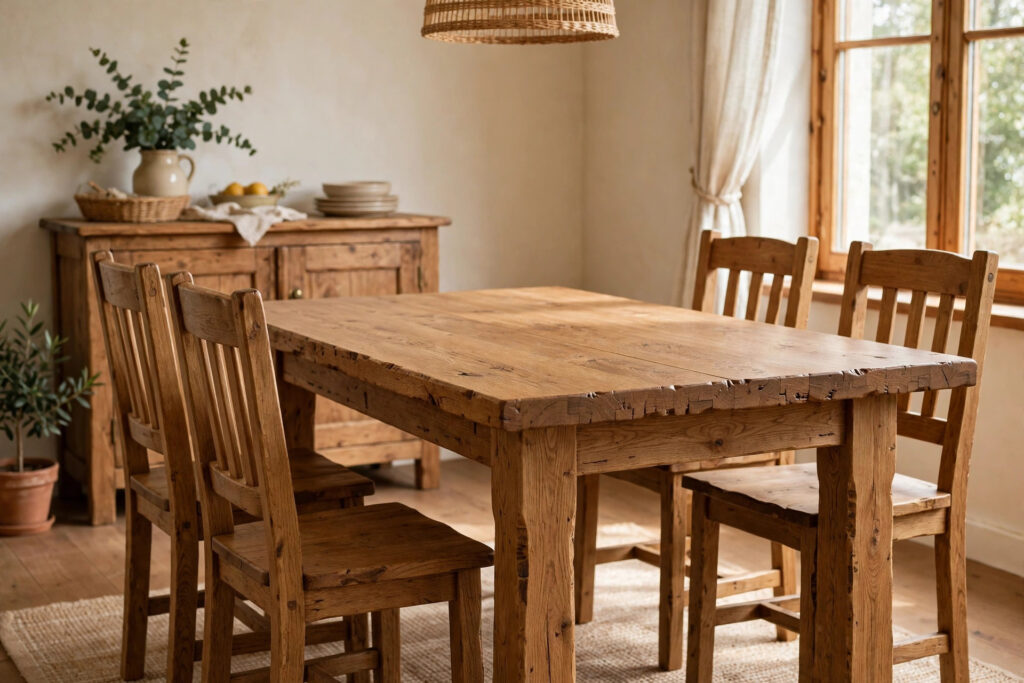
When people talk about furniture that is built to last for decades, amish furniture often comes up in the conversation, and for good reason. These pieces are known for solid wood, careful joinery and a simple, honest style that fits many homes. They are made slowly, by hand, in small workshops, rather than rushed through a factory line. If you are thinking about buying a table, a bed or a cabinet you hope to keep for twenty years, it is worth understanding what makes this kind of furniture different and how to judge whether a piece is good value.
Amish Furniture and the Craft Behind It
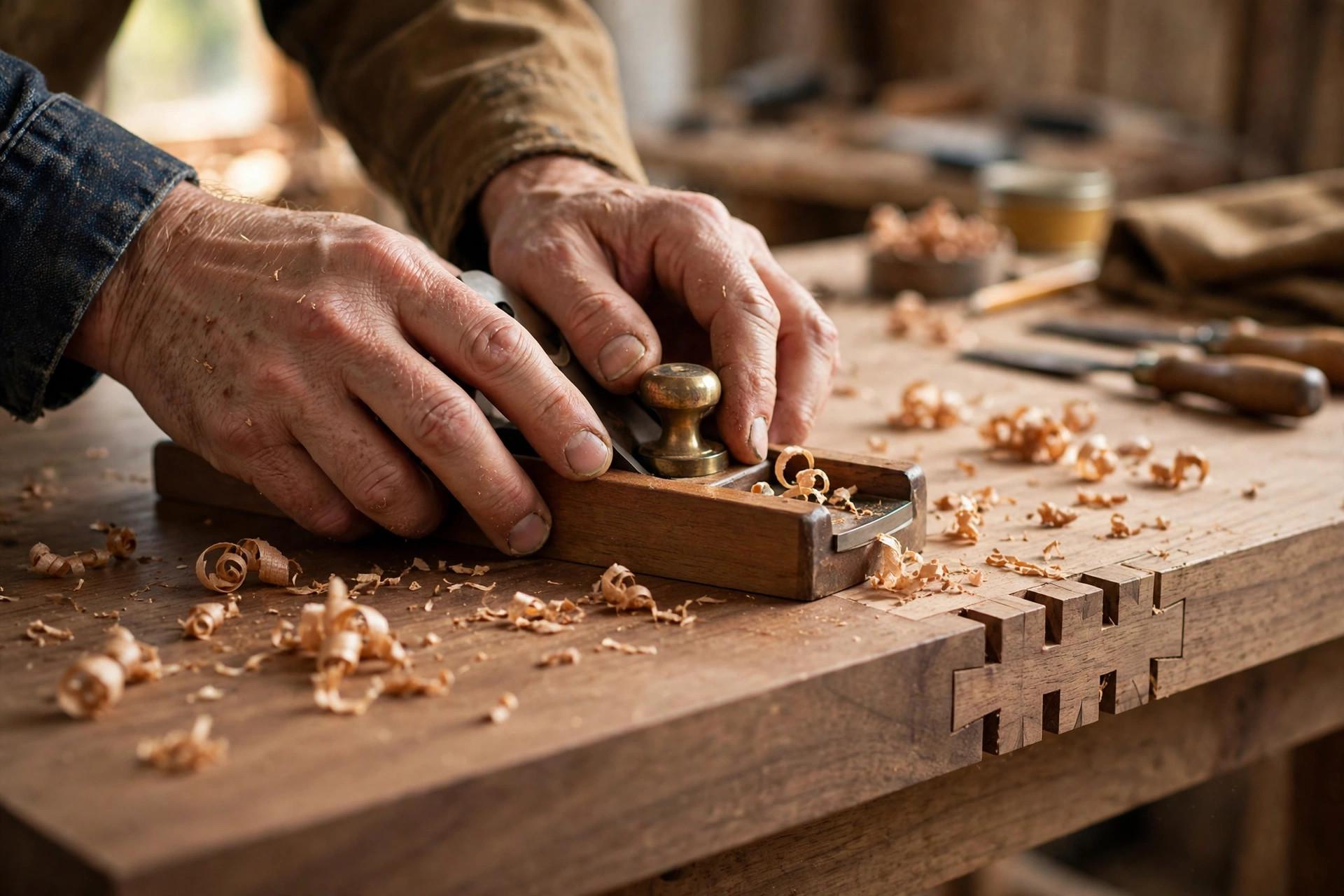
The craft behind these pieces values patience over speed. Makers work with solid hardwood, shaping each part by hand and joining it with methods used for generations. Mortise and tenon joints, dovetailed drawers and carefully fitted frames are all signs of this approach. There is little reliance on staples, particle board or thin veneers, which are common in mass-produced pieces. Instead, the strength comes from the wood itself and the way the joints are cut. If you want to learn more about judging quality before you spend, our guide on what makes luxury furniture worth the price explains the details that separate a well-made piece from a pretty one.
How the Pieces Are Made
Each piece begins as rough-sawn hardwood, which is dried, cut and shaped in the workshop. The maker selects boards for their grain and colour, matching them so a tabletop or cabinet door looks balanced and natural. Edges are smoothed by hand, and the finish is often a clear oil or hand-rubbed varnish that lets the grain show through. You can see a similar respect for natural materials in how to spot real quality pieces, which shows how older handmade furniture was built to be repaired rather than replaced. This way of making furniture takes longer, and that is part of the point: the maker is building something meant to be used every day and handed down.
Materials and Wood Choices
The wood is the heart of the piece, and different woods give very different results. Oak is hard and heavy, with a strong grain that suits dining tables and sideboards. Cherry starts out a light reddish brown and deepens to a rich colour over time, which makes it a favourite for bedroom sets. Maple is pale and smooth, and it works well in lighter, modern rooms. Walnut is darker and more dramatic, often chosen for statement pieces. When choosing, think about the room and how much wear the piece will get. A dining table needs a hard, forgiving surface, while a bedroom chest can afford a softer wood. Our guide to choosing the right dining set for your home can help you think through size and layout before you commit.
Styles That Suit Different Homes
Although the style is often described as traditional, these pieces come in a wider range than many buyers expect. Classic designs have clean lines, raised panels and a warm finish, and they sit happily in country or cottage-style homes. Mission and Shaker styles are plainer still, with straight lines and almost no decoration, and they suit modern rooms surprisingly well. When you are styling a room around a new piece, take a look at a complete guide to home decor ideas for ways to balance a strong wooden piece with softer fabrics and lighter colours. Choose a style you will still like in ten years, rather than chasing a trend. A simple, well-proportioned piece rarely looks dated.
What to Check Before You Buy
Before you buy, spend a few minutes checking the piece in person if you can. Open every drawer and check that it slides smoothly and closes flush with the frame. Look at the joints where legs meet the body and make sure there are no gaps. Run your hand over the surface and feel for rough patches or uneven finish. Lift one corner gently to check for wobble, and look underneath to see how the base is put together. To compare shopping options, our guide to where to buy quality furniture looks at the different kinds of stores that sell well-made pieces. You may also find how to choose and style a console table useful if you are furnishing a hallway.
Caring for Your Pieces
Solid wood furniture is easy to care for if you follow a few simple habits. Keep it out of direct sunlight where possible, because strong sun can fade the finish unevenly. Wipe up spills quickly with a soft, slightly damp cloth, and avoid harsh cleaners that leave a sticky film. Use coasters under hot mugs and mats under plates, especially on a dining table. Dust regularly with a dry cloth, following the direction of the grain. If the piece has leather parts, such as a chair seat, our advice on how to clean leather furniture properly will help you keep them in good shape. For outdoor pieces, the rules are different, so read our complete buying and care guide for outdoor furniture before leaving anything outside. Small scratches can often be softened with a matching touch-up marker.
Is It Good Value?
Handmade solid wood pieces usually cost more than flat-pack alternatives, so it is fair to ask whether the extra money is worth it. The honest answer depends on how long you plan to keep the piece and how hard it will be used. A dining table used three times a day by a family will repay a higher price over twenty years, while a rarely used side table may not need the same investment. You can also look for ways to spend wisely, and our guide on how to find the best furniture deals and sales explains how to time a purchase and what to check before you buy. Simple decorating ideas can stretch a budget further too, as shown in simple ideas to refresh every room.
Conclusion
Good furniture should make daily life easier and look better as the years pass, and amish furniture earns its reputation by doing exactly that. Solid wood, careful joints and a simple style give you a piece that can survive daily use, be repaired when needed, and still look at home in a room twenty years from now. Take your time choosing, check the construction with your own hands, and buy a style you will love for the long term.
Pingback: Extendable Dining Tables Furniture: How to Choose the Right One – Wahson Furniture