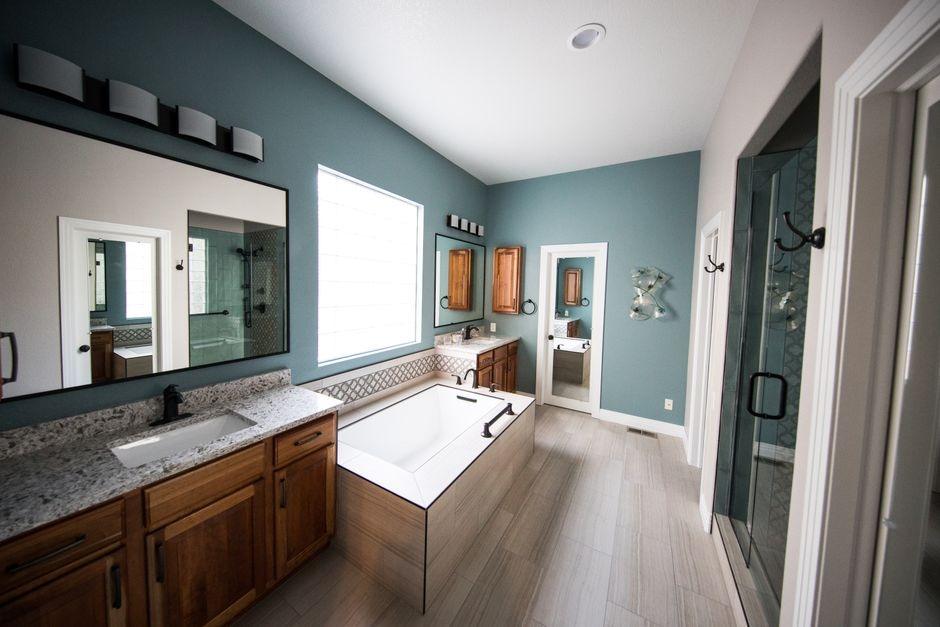
Your bathroom affects your routine more than almost any other room. It’s where your day starts, where clutter shows up fast, and where cheap materials tend to reveal themselves early. If you’re updating a home in Peoria, you’re also dealing with practical concerns like durability, easy cleaning, and resale expectations in a competitive local market. A smart bathroom upgrade isn’t just about style. It’s about making daily use smoother while spending where it actually counts.
Start with what makes the room feel dated
A bathroom rarely feels outdated because of one dramatic problem. Usually, it’s a stack of smaller issues: yellowed lighting, a bulky vanity, worn hardware, old tile patterns, and storage that never made sense. Before you buy anything, stand in the room and look at what creates visual drag.
That drag often comes from finishes that compete with each other. Chrome next to oil-rubbed bronze, cool gray walls beside warm beige tile, or a vanity that looks too small for the wall can make the room feel accidental. You want a bathroom that looks edited.
In practical terms, that means cutting visual noise. Swap overly decorative mirrors for cleaner profiles. Replace builder-grade light bars with fixtures that cast even, flattering light. If the room has too many tiny details, simplify first. A more expensive look usually comes from restraint, not from adding more elements.
Spend on surfaces you touch every day
Some upgrades photograph well but don’t improve real use. Others change the room every single day. Focus your budget on tactile surfaces and high-contact fixtures. Your faucet, shower controls, vanity hardware, flooring, and countertop matter more than trendy décor.
A quartz vanity top, for example, gives you a polished finish with lower maintenance than many natural stones. Large-format porcelain tile can reduce grout lines, which means less visual interruption and easier cleaning. Soft-close drawers and quality hinges create a better user experience in ways people notice immediately.
You don’t need luxury materials everywhere. You need the right materials in the right places. If the shower floor gets slippery, the room feels poorly planned no matter how nice the sconces are. If the vanity laminate swells near the sink, the entire space starts reading as cheap. Performance shapes perception.
Improve the layout before chasing aesthetics
A beautiful bathroom with a bad layout still feels frustrating. If your door swings into the vanity, if storage is too shallow, or if the toilet placement makes the room feel cramped, no paint color can fix that. Good design starts with flow.
Look at how you move in the space. Where do towels land? Is there enough landing space near the sink? Can two people use the room without bumping into each other? These are workflow questions, and they matter just as much as finishes.
This is also where regional remodeling becomes relevant. Homeowners comparing bathroom remodels in Peoria often look for solutions that balance layout improvements with fast installation and durable materials. That approach makes sense when you want a room that works better, not just one that looks different for a month. Efficient layouts age better than trend-driven cosmetic updates.
Use lighting like a design tool, not an afterthought
Bad bathroom lighting exposes every flaw in a remodel. It can make clean finishes look flat and expensive tile look dull. A single overhead fixture usually isn’t enough, especially around the mirror where shadows become a daily annoyance.
Layered lighting works better. Add task lighting beside or above the mirror, ambient lighting for overall brightness, and, if possible, accent lighting for depth. Warm white bulbs tend to feel more natural than harsh cool tones, but the exact temperature should still suit the materials in the room.
Pay attention to reflection and finish. Glossy tile, polished metal, and mirrors bounce light around the room, which can make smaller bathrooms feel more open. Matte black fixtures can look sharp, though they also show residue more easily in hard-water conditions. Lighting decisions should support maintenance as much as style.
Choose storage that hides mess fast
Nothing makes a bathroom feel less refined than visible clutter. Toothbrush chargers, half-used bottles, extra tissue rolls, skincare products, hair tools, and cleaning supplies pile up quickly. If your storage plan depends on people being perfectly organized, it won’t hold up.
You want storage that absorbs mess with minimal effort. Deep drawers often work better than lower cabinets because they let you see what you have. Recessed niches in the shower keep products off the floor edge. A vanity with drawer dividers can prevent the usual tangle of grooming tools and cosmetics.
Closed storage creates a calmer visual field, which instantly makes the room feel more expensive. Open shelving can work in styled photos, but it tends to demand constant maintenance in real homes. A bathroom should support your routine on rushed mornings, not ask you to curate every surface before it looks acceptable.
Keep the palette tight and the contrast intentional
Bathrooms look elevated when the color story feels controlled. That doesn’t mean everything has to be white or gray. It means the finishes should relate to each other clearly. Limit the palette, repeat tones with purpose, and let one or two features carry the visual interest.
A useful formula is simple: one dominant surface tone, one secondary support tone, and one accent finish. For example, soft warm tile, white walls, and brushed brass hardware can feel cohesive without trying too hard. Wood vanities can also add needed warmth, especially in bathrooms filled with stone and ceramic surfaces.
Avoid mixing every popular trend into one room. Zellige-look wall tile, terrazzo floors, ribbed vanities, black fixtures, and arched mirrors might each look good alone, but together they can create design fatigue. Expensive-looking bathrooms usually feel calm, and calm comes from disciplined choices.
Think long-term: cleaning, wear, and resale
A bathroom remodel should survive daily use, changing tastes, and basic market scrutiny. Buyers notice poor workmanship fast. So do guests. Uneven tile spacing, weak caulk lines, awkward fixture placement, and moisture damage undercut the whole investment.
Think beyond installation day. Can you clean the grout without special products? Will the finish hide water spots? Is there enough ventilation to control humidity? A quiet exhaust fan may not sound exciting, but it protects paint, trim, and air quality. Durability often lives in these less glamorous decisions.
If you’re planning to stay in the home, prioritize comfort and maintenance. If resale is part of the equation, aim for broad appeal with reliable materials and a layout that feels intuitive. The most successful bathroom upgrades don’t chase luxury signals. They create a room that looks sharp, works hard, and keeps doing both over time.