
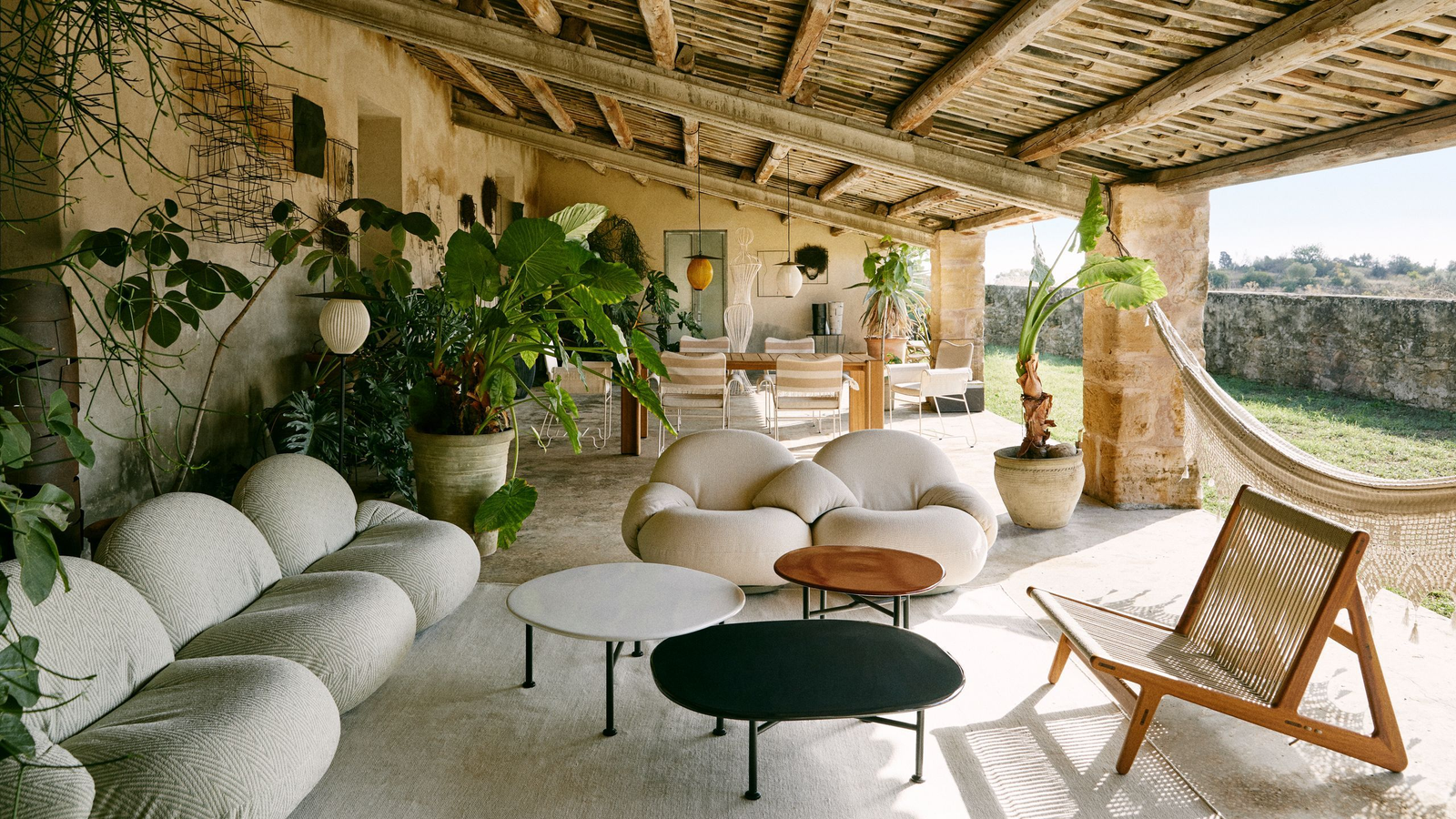
Outdoor living spaces have become an extension of the modern home, offering a place to relax, entertain, and unwind. Patios, balconies, and gardens are no longer just functional areas — they are designed retreats furnished with sofas, loungers, dining sets, and cushions that rival indoor furniture in style and cost. Yet despite this investment, furniture left exposed to the elements — sun, rain, dust, and humidity — deteriorates far faster than most homeowners expect. This is where quality furniture covers make all the difference.
In this article, we’ll look at why covers matter, what separates a good cover from a poor one, the real cost of leaving furniture unprotected, and how to build a simple maintenance routine that keeps outdoor spaces looking new for years.
Why Covers Matter More Than You Think
Outdoor furniture, whether it’s a sofa set, lounger, or dining table, is often a significant investment — sometimes rivaling the cost of indoor furniture. Without proper protection, fabric fades under UV exposure, cushions absorb moisture and develop mold, and metal frames begin to rust. Wood surfaces can crack or warp after repeated exposure to sun and rain, while wicker and rattan pieces become brittle and lose their shape over time.
A well-fitted cover acts as the first line of defense, shielding furniture from these cumulative effects. Instead of replacing cushions or full sets every year or two, a simple cover can extend the lifespan of outdoor furniture by several years, protecting both the look and the structural integrity of each piece.
The Hidden Cost of Leaving Furniture Uncovered
Many homeowners underestimate how quickly weather damage adds up. A faded cushion might seem like a cosmetic issue, but once fabric fibers break down from UV exposure, they lose water resistance too, which accelerates mold growth underneath. Rusted frame joints can eventually become unsafe to sit on. Replacing a full outdoor lounge set is rarely cheap, and repeated replacement costs over a few years often exceed what a set of quality covers would have cost from the start.
There’s also a time cost: cleaning mildew, sanding rust spots, or shopping for replacement cushions all take time that a simple covering routine would have avoided entirely.
What to Look for in a Good Cover
Not all covers are created equal. When choosing one, consider the following factors: • Waterproof or water-resistant fabric to guard against rain and morning dew
• UV-resistant material that slows down color fading from constant sun exposure * Breathability to prevent trapped moisture and mildew buildup underneath the cover • Reinforced seams and stitching that hold up against wind and repeated use
• Custom fit — generic, ill-fitting covers often shift in the wind and leave furniture exposed at the edges
* Secure fastenings such as tie-downs or elastic hems to keep the cover in place during storms
Custom vs. Generic Covers
Many people default to generic plastic sheeting from hardware stores, assuming it will do the job. In reality, these covers rarely last a full season, trap condensation against the furniture (which can actually make mold problems worse), and often don’t match the exact dimensions of modern outdoor furniture — especially large sectional sofas, daybeds, or uniquely shaped loungers.
For homeowners who want long-term value, custom-made covers tailored to the specific shape and size of their furniture are a smarter investment. A properly fitted cover hugs the furniture closely, reducing wind flap and water pooling, while still allowing enough breathability to prevent trapped moisture. For example, a specialist provider like custom outdoor furniture covers in Dubai can produce durable, made-to-measure protection designed to withstand harsh climates while keeping furniture looking new.
Covers for Different Climates
Coastal homes need covers that resist salt air corrosion and strong winds. Desert or hot climates call for heavier UV protection, since prolonged sun exposure is the primary threat to fabric color and integrity. In humid or rainy regions, breathability becomes just as important as waterproofing, since trapped moisture can cause mildew faster than rain damage itself. Choosing a cover suited to your specific climate, rather than a one-size-fits-all solution, makes a noticeable difference in how long the cover — and the furniture underneath it — actually lasts.
A Simple Maintenance Routine
Pairing a good cover with a basic maintenance routine can further extend the life of your outdoor pieces:
• Brush off leaves, dust, and debris from furniture before covering it
* Allow furniture to dry completely before placing the cover on, to avoid trapping moisture • Occasionally air out cushions and covers on dry, sunny days
• Check fastenings and ties periodically, especially after storms or high winds • Clean covers with mild soap and water a few times a year to prevent dirt buildup
This small habit, taking just a few minutes each week, saves homeowners significant replacement costs over time and keeps outdoor spaces guest-ready year-round.
Final Thoughts
Investing in the right furniture cover isn’t just about aesthetics; it’s about protecting your investment and reducing long-term maintenance costs. Whether you have a cozy balcony setup or a full outdoor lounge, a properly fitted, weather-resistant cover is one of the simplest upgrades you can make to keep your space looking its best year-round. With the right combination of quality materials, a custom fit, and a light maintenance routine, outdoor furniture can stay beautiful and functional for many seasons to come.
Frequently Asked Questions
How often should outdoor furniture covers be cleaned?
Most covers only need cleaning two to three times a year, or whenever visible dirt or mildew spots appear. A mix of mild soap and water, followed by full air-drying before placing the cover back on furniture, is usually enough to keep it in good condition.
Do furniture covers cause mold if left on too long?
Mold is more likely when a cover traps moisture underneath, either because the furniture wasn’t fully dry before covering or the material isn’t breathable. Choosing a breathable, water-resistant fabric rather than plain plastic sheeting significantly reduces this risk.
Are custom covers worth it compared to standard sizes?
For irregularly shaped or large furniture such as sectional sofas and daybeds, yes. Standard covers often leave gaps at the edges where wind and rain can get in, while custom-fitted covers hug the furniture closely and stay secure in place.
Can furniture covers protect against strong winds?
A good cover with reinforced seams and secure tie-downs or elastic hems can withstand moderate wind. In areas with frequent storms, it’s worth choosing covers specifically designed with extra fastenings, such as those offered through providers like Dubai Furniture Covers, to keep everything in place.
How long do quality outdoor covers typically last?
With regular care, a well-made cover can last several years, even in harsh climates. Cheaper generic covers, on the other hand, often need replacing within a single season due to cracking, fading, or tearing.