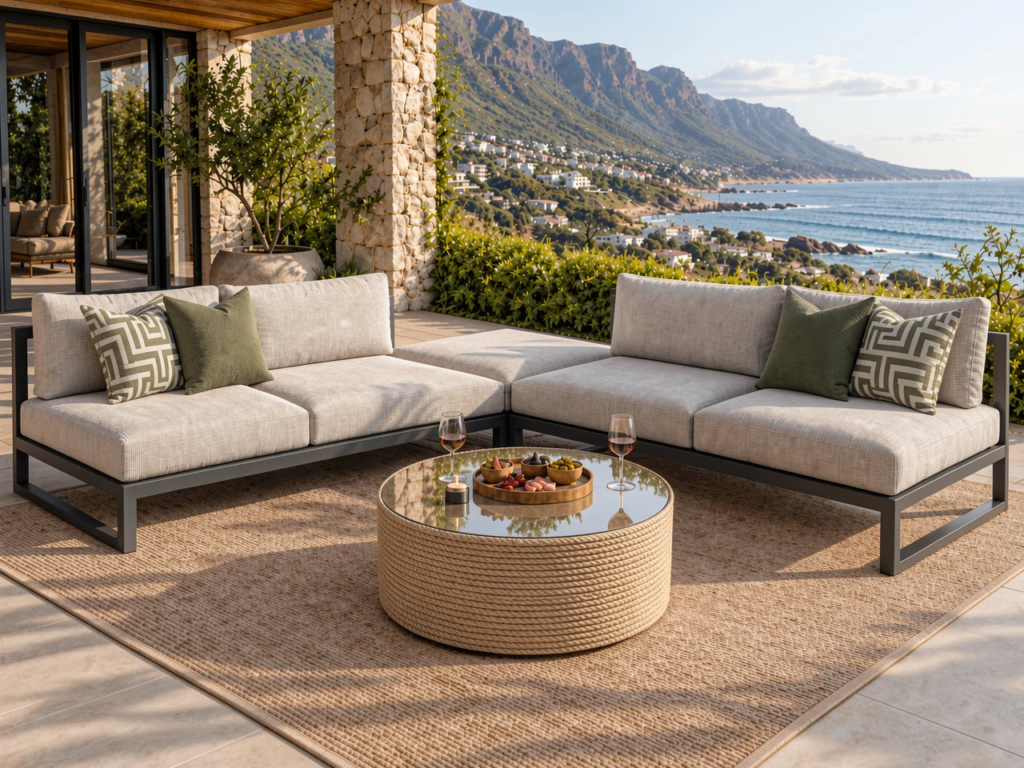
Outdoor furniture takes up space, and when it no longer fits your patio or your style, selling it beats throwing it away. Where to sell it depends on what you are selling, its condition, and how fast you need it gone.
This guide covers the options that actually work, from local marketplaces to specialist buyers, plus how to price, photograph, and describe your pieces so they sell.
Start by Checking Condition and Cleaning It
Before you list anything, clean it. A dirty chair will sell for half the price of a clean one, even if the frame is sound. Wash metal and plastic with warm soapy water, rinse, and dry it fully. Clean wood with a soft brush and a wood cleaner, and let it dry in the shade. Wipe cushions, and remove covers and wash them if the label allows.
Check every joint, screw, and weld. Tighten loose screws, and note any wobble, rust, or torn fabric in your listing. Honest notes build trust, and they stop buyers from asking for a discount on arrival. If a cushion is flat or stained, say so, and price accordingly. A buyer who knows what to expect is far more likely to complete the sale.
Protect what you are keeping, too. If you are selling one set and keeping another, cover the pieces you are keeping, because outdoor furniture covers are essential for every home. A cover keeps rain, sun, and dust off the set you want to keep, and it shows a buyer that you look after your furniture.
Take measurements before you list. Measure the length, width, height, and seat height, and note the weight if you can. A buyer needs to know if a table will fit their patio, and if they can carry a chair up a flight of stairs. Small spaces make this harder, and tiny apartments can be hard on furniture, so clear dimensions help everyone.
Local Marketplaces: Fastest for Large Pieces
For large, heavy outdoor sets, local sale is usually best. Facebook Marketplace, Craigslist, and local buy-and-sell groups reach buyers who can collect the same day. You avoid packing and postage, and the buyer can see the piece before they pay.
Take photos in daylight, on a clean patio, with no clutter behind the furniture. Photograph the whole set, then each piece, then close-ups of the joints, the fabric, and any wear.
Write a clear title: what it is, the material, and the number of pieces. For example, “Four-seat teak patio set with cushions” tells a buyer far more than “garden furniture”. In the description, list the material, the size, the condition, the reason for selling, and whether you can help load it. State your price, and state if it is firm or open to offers. A firm price gets fewer messages, but the messages you get are more serious.
Meet in a safe place, ideally at your home in daylight, with someone else present. Accept cash or a bank transfer that clears before the buyer leaves. Do not accept a cheque, and do not let a buyer take the furniture before they pay.
Specialist and Second-Hand Furniture Shops
If you do not want to deal with individual buyers, a second-hand furniture shop or a consignment shop can sell for you. They will usually take a commission, often 30 to 50 percent, but they handle the photos, the listing, and the buyers. This works well for good-quality branded pieces, teak, rattan, and cast aluminium sets.
Call two or three shops before you choose one. Ask what they charge, how long they will display the piece, and what happens if it does not sell. Some shops will buy outright, at a lower price, and some will sell on consignment and pay you after the sale. An outright sale is faster, but consignment usually pays more.
A shop that knows outdoor furniture will also know what to look for. They will check the frame, the joints, and the fabric, and they will price it against similar pieces they have sold. A wicker coffee table from a known maker, for example, will sell faster in a shop that already sells wicker, because the buyers are already looking for it.
Pricing It Right
Price is the main reason outdoor furniture sells or sits. Check what similar pieces have sold for, not what they are listed for. Search the marketplace for the same material and size, filter by sold items, and price within that range.
Start slightly above your lowest price, so you have room to negotiate, but do not start at double the market price. A piece listed too high will be ignored, and after a month it will look stale. A piece listed at a fair price will get messages in the first few days.
Consider the season. Outdoor furniture sells best in spring and early summer, when people are setting up their patios. In autumn and winter, demand falls, and prices fall with it. If you can wait until spring, you will usually get more. If you need it gone now, price it lower and be clear that it must go this week.
Add the cost of any repairs to your thinking. A set that needs new cushions is worth less than a set with good cushions, and a buyer will factor that in. Be honest about the cost of a replacement, and replacement cushions for outdoor furniture will help a buyer see that the set is still usable.
Conclusion
Where to sell outdoor furniture depends on what you have and how fast you need it gone. Local marketplaces are fastest for large sets, specialist shops are best if you want someone else to handle the sale, and online sites work best for unusual or vintage pieces. Clean the furniture, photograph it in daylight, describe it honestly, and price it against sold items, not listed ones.
For help choosing your next set, read Outdoor Furniture and Patio: Complete Buying and Care Guide and How Smart Branding and Furniture Design Shape Modern Hospitality Spaces to see how good design holds its value.
Pingback: Outdoor Furniture and Patio: Complete Buying and Care Guide – Wahson Furniture