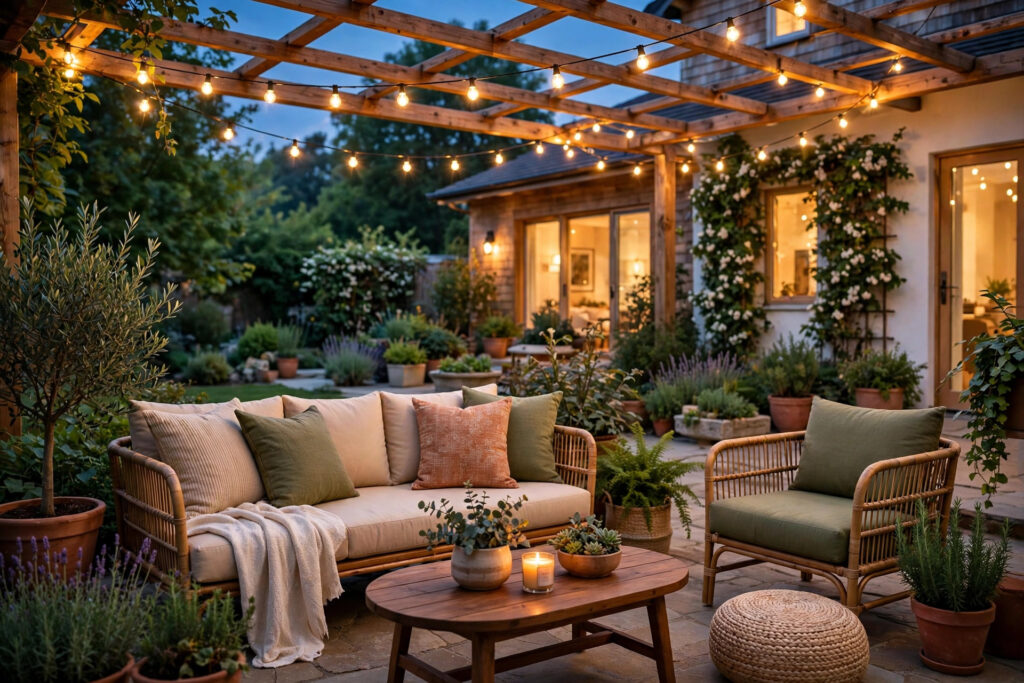
Most yards are used far less than they should be. They become a patch of grass you mow, a place the bins live, and somewhere you walk through on the way to the car. These decadgarden yard tips will help you change that, turning an ordinary yard into a real outdoor living space where you can eat, relax, and spend time with family. You do not need a huge budget or a professional landscaper. You need a clear plan, a few comfortable zones, and choices that suit the way you actually live.
DecadGarden Yard Tips: Watch the Space Before You Change It
Before you buy anything, spend a week noticing how your yard behaves. Where does the sun fall in the morning and the evening? Which corner stays cool in summer? Where does water collect after rain? Which path do you naturally walk?
The answers shape everything. A dining spot belongs where the evening sun is gentle, not where it beats down at midday. A reading chair belongs in the shady corner, not in the middle of the lawn. Sketch a rough plan and divide the yard into zones: one for eating, one for relaxing, and one for plants or play. Even a small yard works well with two zones. Zones give the yard structure, and structure makes it feel bigger. When you start choosing pieces for the new layout, read the Outdoor Furniture and Patio: Complete Buying and Care Guide first, so you buy furniture that fits the space and survives the weather.
DecadGarden Yard Tips for Seating and Outdoor Dining
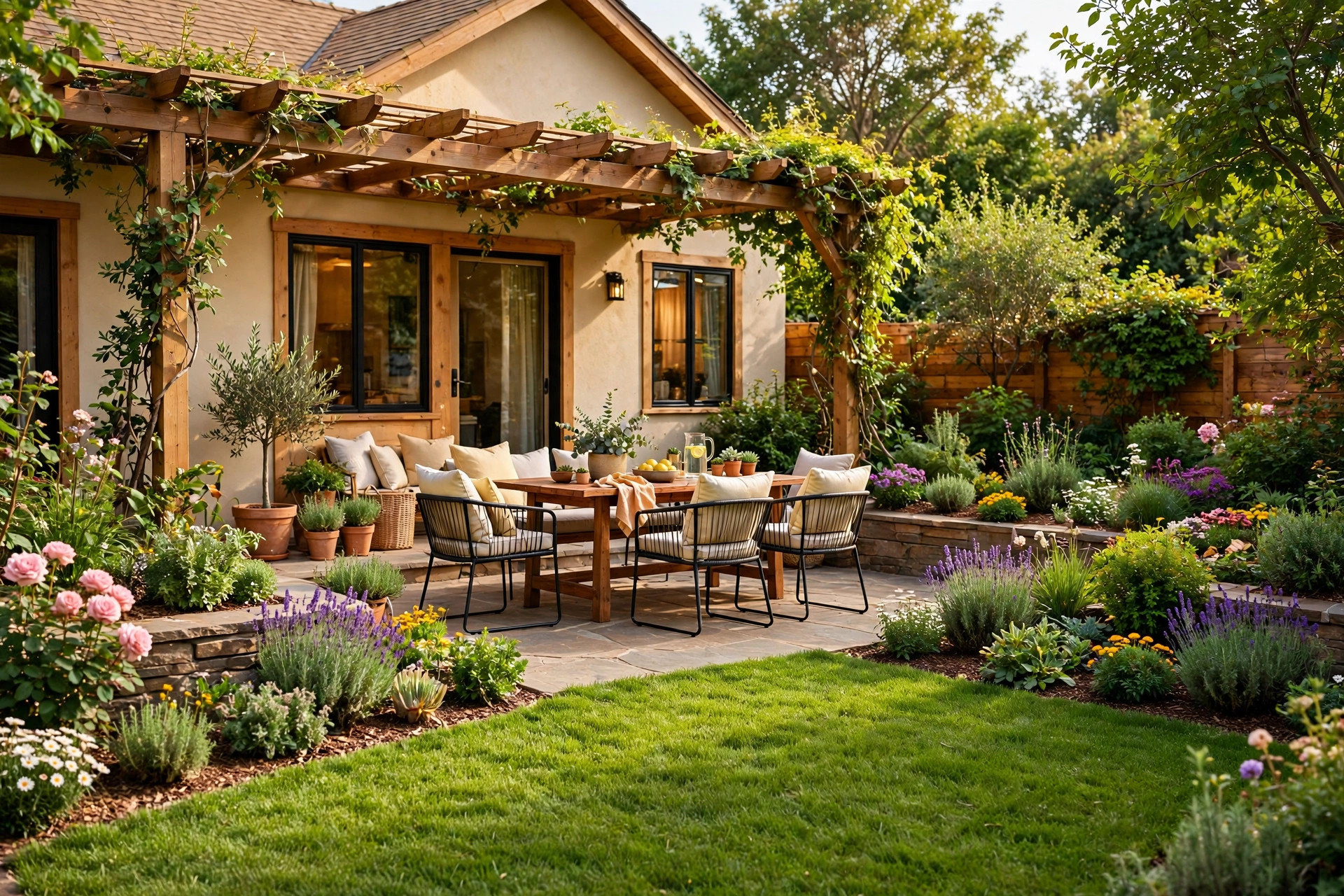
An outdoor living space lives or dies on seating. If the chairs are hard, low, or always damp, nobody will sit in them. Choose seating you would happily use for two hours, not ten minutes.
A dining table with four to six chairs suits most families, while a deep-seat lounge set works better if you mostly relax outside. Measure before you buy: leave at least 90 centimetres behind each dining chair so people can pull out comfortably, and keep clear paths between zones. The same thinking behind Dining Room Furniture: How to Choose the Right Set for Your Home applies outdoors: size the table for the people who use it, not for the space you wish you had. Cushions make the biggest difference to comfort, and they are worth replacing rather than replacing a whole set; our guide to Replacement Cushions for Outdoor Furniture: How to Measure and Choose explains how to get the fit right. New flat-pack sets need careful building, so follow How to Assemble Furniture: A Step-by-Step Guide for Beginners and build the frame square before tightening anything. If your old set no longer fits the plan, read Where to Sell Outdoor Furniture: Best Options That Actually Work before you buy a replacement.
Create Shade and Shelter
Shade is what turns a yard from a fair-weather novelty into a space you use all summer. A shade sail, a cantilever umbrella, or a small pergola can lower the temperature of a seating area by several degrees.
Place shade over the dining table first, because that is where people sit longest in the heat. A pergola with climbing plants gives dappled shade that improves every year. Think about wind as well as sun. A low fence panel, a row of tall planters, or a trellis with climbers can block the prevailing wind without making the yard feel closed in. If you enjoy evenings outside, a windbreak makes the difference between a pleasant hour and an early retreat indoors. Shade and shelter pay for themselves in hours spent outside.
Lighting and Planting That Extend the Day
Good lighting is the cheapest way to make a yard feel like a room. Without it, the space goes dark at sunset and everyone moves inside. With it, a summer evening can stretch for hours.
Use three layers: warm string lights overhead for a soft glow, low path lights so nobody trips on steps, and a lantern on a side table to make the seating area feel intimate. Keep the colour temperature warm, around 2700K, because cool white light feels harsh outdoors. Plants do three jobs here: they soften hard edges, give privacy, and make the yard feel alive. Tall grasses or a hedge of evergreen shrubs give privacy more naturally than a high fence, and native grasses, lavender, and rosemary need far less water than thirsty bedding plants. Group plants in odd numbers, repeat the same plant in two or three spots, and put large pots near seating so greenery is at eye level. A herb pot by the dining table is practical as well as pretty. For more planting ideas, see DecorAdHouse Garden Tips: Easy Ways to Make Your Garden Beautiful.
Add Personality Without Clutter
The final layer is personality, and restraint matters. A yard full of ornaments feels busy, while one or two well-chosen pieces feel considered.
Pick a small number of items that mean something to you: a vintage lantern, a handmade pot, a weatherproof rug under the lounge chairs, or a single piece of garden art. An outdoor rug is one of the best buys, because it defines a seating zone instantly and makes hard paving feel soft underfoot. Older pieces often have the solid build that new budget items lack, and the advice in Vintage Furniture: How to Spot Real Quality Pieces will help you tell a genuine find from a cheap copy. Spend on the pieces you will use every day and save where it does not matter; Luxury Furniture: What Makes It Worth the Price? explains how to judge that balance. For styling that pairs with this guide, read Decoration Ideas for Your Yard from DecoratorAdvice: The DecorAdYard Guide and Decoration Tips from DecorAdHouse: Simple Ideas to Refresh Every Room to carry the same calm style from the garden back into the house.
Conclusion
Turning a yard into an outdoor living space is a sequence, not a single purchase. Watch how you use the space, divide it into zones, choose seating you will actually sit in, add shade and warm lighting, plant for privacy and easy care, and finish with a few personal touches. Within a season, the yard stops being the space behind the house and becomes the room you use most.
Pingback: Decoration Ideas for Your Yard from DecoratorAdvice: The DecorAdYard Guide – Wahson Furniture